HVAC Air Filters, Explained and Picked
Pick the right MERV rating, keep up with pet hair, and stop paying extra for a reminder.
What to check
EPA recommends MERV 13 or the highest rating your system can use. Match the exact size and depth first.
Read the guide: The Best HVAC Filters for Homes With PetsWhat to check
Higher ratings trap smaller particles but can cost airflow. Check what your system and filter slot allow.
Read the guide: MERV 8 vs MERV 11 vs MERV 13What to check
A bulk multipack plus a free phone reminder does the same job for less per filter.
Read the guide: The Best Air Filter Subscription AlternativesThe Air Filter Guides
Start with the MERV comparison if you are not sure what to buy.
-
 Roundup
Best HVAC Filters for Homes With Pets
EPA recommends MERV 13 or the highest compatible rating. Compare pet-home options by rating, exact fit, depth, and manufacturer interval.
See the picks -
 Compare
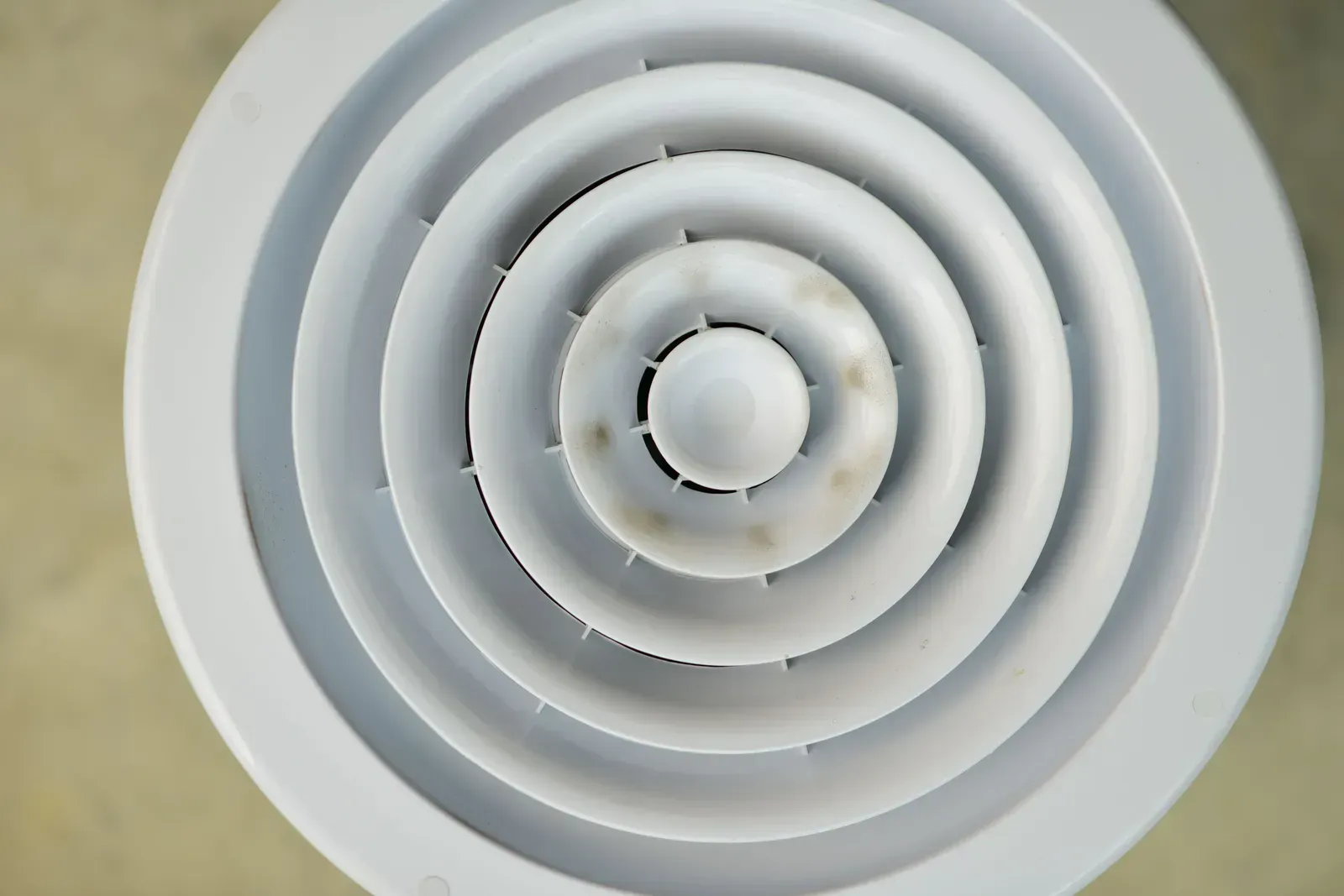
MERV 8 vs MERV 11 vs MERV 13
What each rating traps in microns, the airflow trade-off nobody mentions, and a MERV to FPR and MPR conversion table.
Compare them -
 Roundup
Best Air Filter Subscription Alternatives
Filter subscriptions charge for a calendar reminder. Bulk multipacks plus a free reminder cover the same job for less per filter.
See the picks
The cheapest part that protects the expensive ones
Your HVAC filter is the cheapest part in the whole heating and cooling system, and it decides how long the expensive parts last. Its first job is protecting the blower motor and the evaporator coil from dust. Its second job, the one the marketing focuses on, is scrubbing dander, pollen, and smoke out of the air you breathe. A filter that suits your system does both. A filter chosen off a shelf label often does neither.
The cost of ignoring it is real. A loaded filter chokes airflow. The blower works harder and runs hotter, the coil can ice over in summer, and a furnace can overheat and trip its limit switch in winter. A coil cleaning runs hundreds of dollars at service rates. The filter that would have prevented it costs less than lunch. The habit that matters most is not the brand you buy. It is changing the filter on schedule, every time.
This is the easiest do-it-yourself job in the house. Slide the old filter out, note the airflow arrow, slide the new one in pointing the same way. No tools, two minutes. Call a pro instead when the questions get bigger: if your system short-cycles, if rooms heat unevenly even with a fresh filter, or if you want to jump to a high MERV rating on an older system and are not sure the blower can take the added resistance. Static pressure testing is cheap insurance before a big filtration upgrade.
Three guides below cover the decisions that matter. The MERV comparison sorts out what the ratings actually capture and what they cost you in airflow. The pet-home roundup picks filters that survive dog hair and dander. And the subscription alternatives roundup shows how a bulk multipack and a free phone reminder do the same job for less. Filter changes also anchor the seasonal rhythm in our seasonal home maintenance checklist.
Air filter checklist
0 of 5 done
- Guide: Write the filter size on the furnace door
- Guide: Change the filter on schedule, every time
- Guide: Check the AC filter monthly in cooling season
- Guide: Put in a fresh filter before heating season
- Guide: Check it again mid-winter, sooner with pets indoors
Air Filter Questions, Answered
The ones homeowners actually ask.
Where is the furnace air filter?
Most filters sit in a slot where the return duct meets the furnace or air handler, usually a 1-inch gap with a metal or plastic cover. Some homes use a filter grille instead: a hinged return vent on a wall or ceiling with the filter behind it. Follow the biggest vent in the house and you will find it.
How often should HVAC air filters be changed?
Use the replacement interval on the filter package and in the HVAC instructions; there is no universal pet-home schedule. Inspect the filter regularly and replace it sooner when it is visibly loaded or the equipment guidance calls for it. Deep media filters and 1-inch filters can have very different intervals.
Are furnace air filters recyclable?
Mostly no. The frame is cardboard, but the pleated media is synthetic and loaded with captured dust, so curbside programs will not take the assembled filter. Bag it and put it in the trash. A few manufacturers run mail-back programs, but they are the exception.
Do HVAC filters clean the air in the house?
They help, with limits. A MERV 11 or 13 filter captures dander, pollen, and smoke particles every time the blower runs. But the system only filters air while it is running, and a filter cannot fix a dusty duct system. For allergies, a better filter plus more frequent changes is the honest first move.
Can you clean and reuse a pleated air filter?
No. Vacuuming the face pulls off surface lint but leaves the fine particles packed in the media, and washing destroys the electrostatic charge most pleated filters rely on. Pleated filters are disposable. Only filters sold as washable are washable, and most of those rate a weak MERV 1 to 4.