Dryer vents
Find the right guide for slow drying, cleaning, and vent connections.
What to check
It’s usually airflow, not the heater. Check the lint screen and the vent before replacing the dryer.
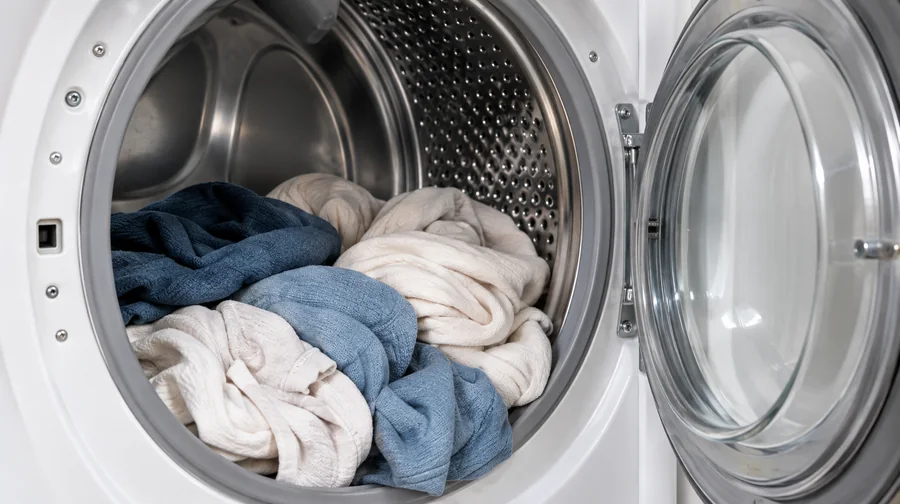
Read the guide: Dryer Takes Two Cycles to Dry: Causes and the Tools That Fix ItWhat to check
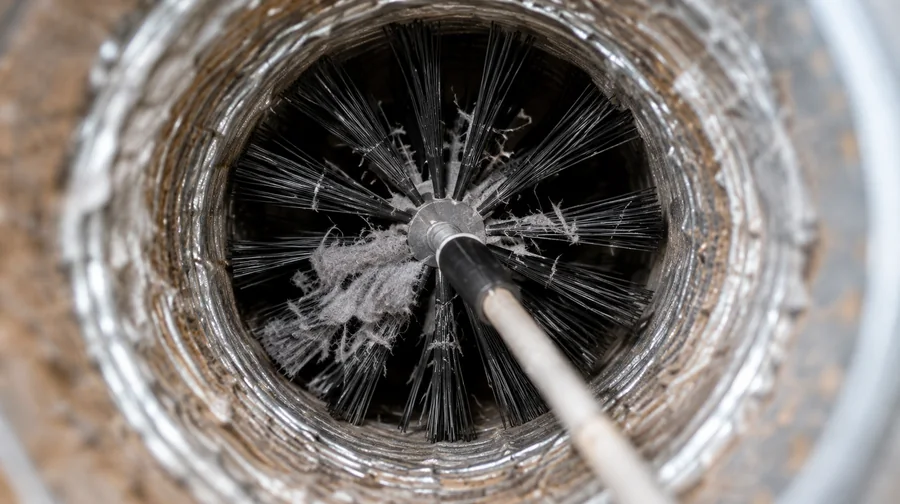
Drill-powered rod kits reach 20 to 40 feet. Check access and duct condition before you start.
Read the guide: The Best Dryer Vent Cleaning Kits for Long VentsWhat to check
Slim vacuum attachments reach lint the screen misses. Check what they can safely clean.
Read the guide: The Best Vacuum Attachments for Dryer LintSmoke, gas or a burning smell?
- Suspected gas:
- Leave without using electrical switches or a phone inside. Call the gas supplier from outside, or the fire department if the supplier cannot be reached.
- Burning smell only:
- Stop using the dryer.
Do not run a test load.
Start with your problem
Choose what you can see before buying a part.
All dryer vent guides
11 practical guides
Troubleshoot a problem
Cleaning & access

Connections & covers

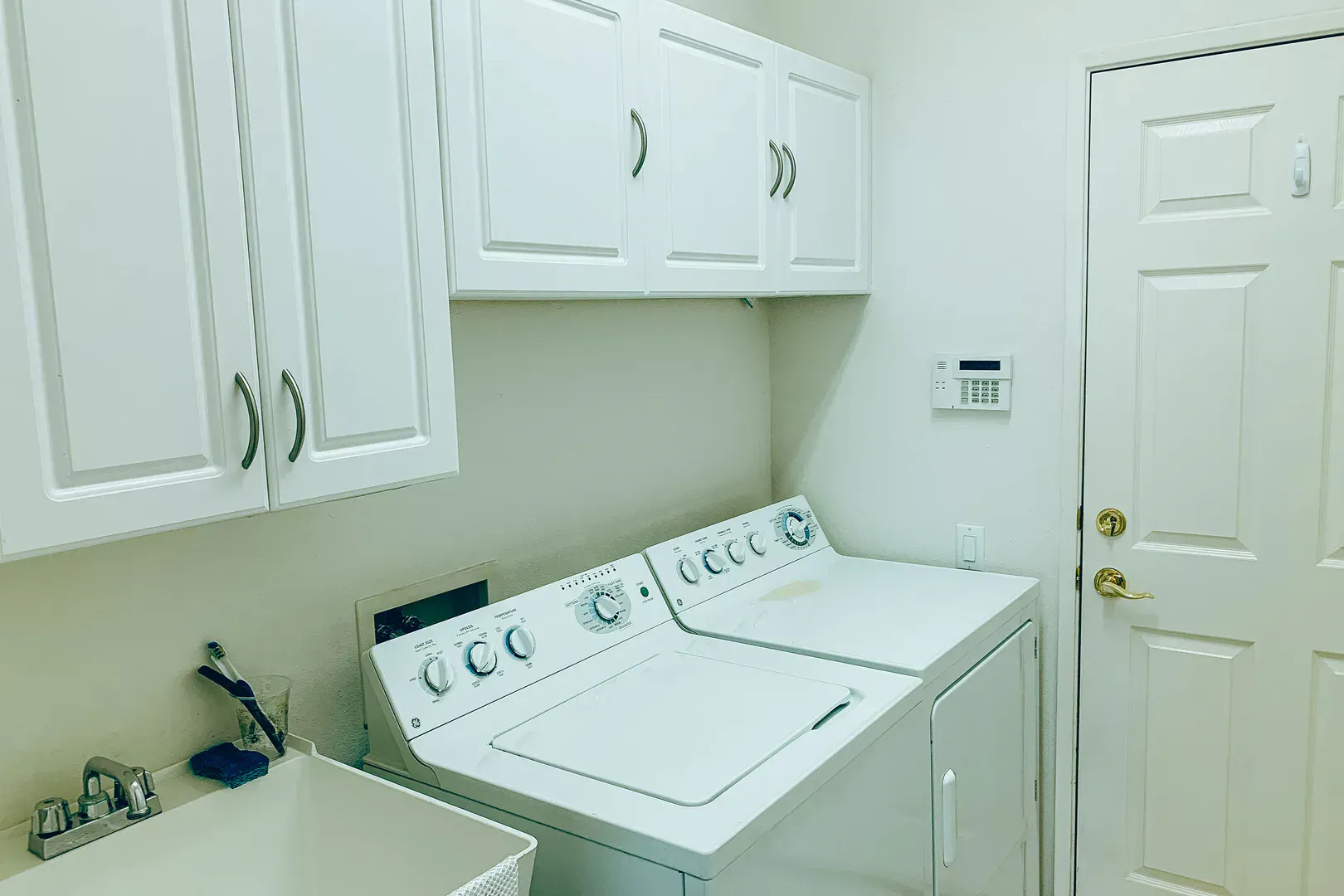
Dryer vent checklist
0 of 6 done
- Guide: Clean the lint screen after every load
- Guide: Wash the lint screen to strip softener film
- Guide: Check the outdoor flap opens while the dryer runs
- Guide: Check visible hose connections for crushing
- Guide: Watch drying times: two cycles points to airflow
- Guide: Clean the vent run on the schedule in your dryer manual
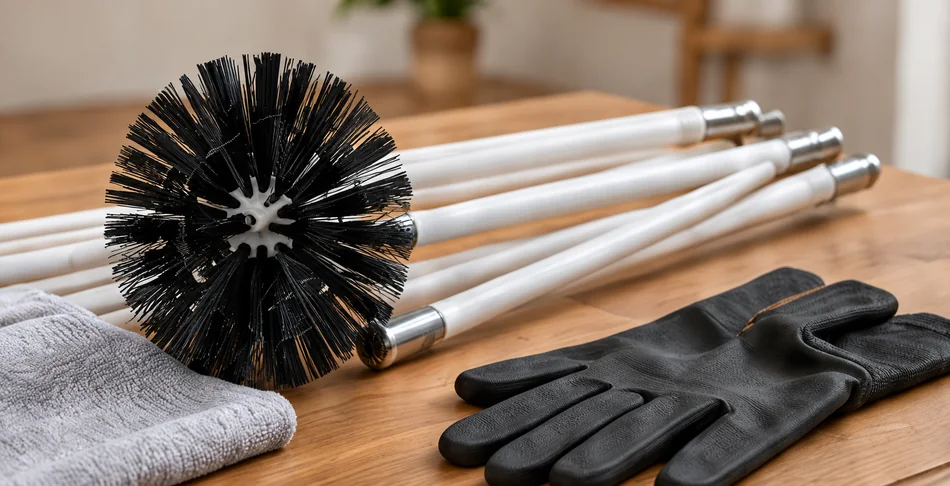
Before you clean the vent
Check these first
Follow the dryer and kit instructions.
Check the route, duct condition and safe access.
Get qualified help when
Access involves a roof, wall cavity or heavy appliance.
A brush is stuck or the duct is damaged.
Safety, fit and cleaning guidance
These guides cover dryers that exhaust outdoors. For a ventless dryer, follow its own filter and heat-exchanger maintenance instructions.
Clean the lint screen with each load as the manual directs. Check visible connections without moving the dryer or reaching into machinery. Before using a kit, check duct material and secured joints as well as access. Length alone does not make a job DIY-safe.
Get qualified help if moving the dryer could strain a gas connection, or a burning smell, overheating or another fault remains unresolved. Ask a service provider to inspect the full exhaust path and connections.
Check the DIY limits before comparing cleaning kits.
Before buying a hose or cover
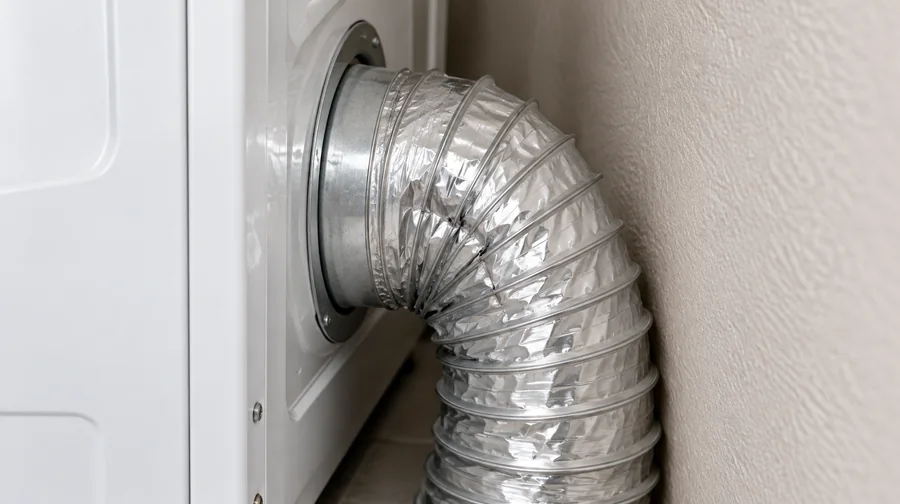
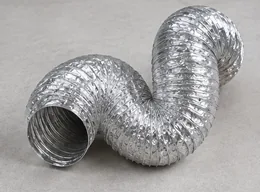
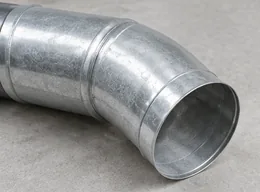
Use your dryer's exact installation manual for permitted materials, fittings, clearances and the vent-system chart. Measure usable depth, outlet-center offset, collars and room to secure connections. Open the measurement checklist.
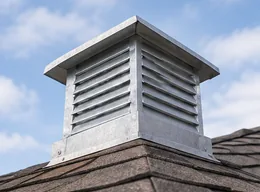
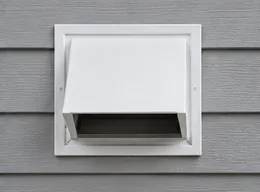
For an outdoor cover, check the wall opening, pipe projection, mounting footprint, closure movement and cleaning access. Check outdoor-cover fit. An indoor lint box does not make a vented dryer ventless.
Sources: CPSC cleaning and servicing guidance (PDF), USFA dryer fire safety (PDF), and PNNL's exhaust-path guide. The Roper RED4516FW manual (pp. 13–15, PDF) is a model-specific example, not universal approval.
Dryer vent questions, answered
Is dryer vent cleaning worth it?
Cleaning matters when lint restricts the exhaust path. CPSC recommends periodic vent and duct cleaning. If drying has become slower, investigate the change rather than assuming a kit will solve it. Access, duct condition and the appliance instructions determine who should do the work; there is no guaranteed time or cost saving.
Is dryer vent cleaning necessary?
For a vented dryer, cleaning the lint screen does not replace cleaning the exhaust duct. CPSC recommends cleaning the screen with each load and the vent and duct periodically. Follow the dryer manual's maintenance instructions and address a restriction or a change in drying performance promptly.
Is dryer vent cleaning the same as duct cleaning?
They are different systems. A vented dryer's exhaust path carries laundry air outdoors; HVAC ducts distribute conditioned air around the house. When arranging service, specify the dryer exhaust path and where it terminates. A lint-screen cleaning alone is not a full exhaust-duct cleaning.
Who is responsible for cleaning a rental dryer vent?
Responsibility depends on the lease and applicable local rules. Ask the property manager who maintains the dryer exhaust before moving appliances or disconnecting shared property. Report a burning smell, damaged connection or changed drying performance promptly; do not keep using a dryer with an unresolved safety problem while responsibility is being arranged.