Short run vs long run
Run length changes the job
6 ftA duct this short forgives almost any tool.
25 ftWith two elbows, a run this long punishes cheap rods, weak joints, and impatience.
Heads up: this page has affiliate links. As an Amazon Associate, Vent & Valve earns from qualifying purchases at no extra cost to you. Full disclosure.
Short run vs long run
6 ftA duct this short forgives almost any tool.
25 ftWith two elbows, a run this long punishes cheap rods, weak joints, and impatience.
How the kits work
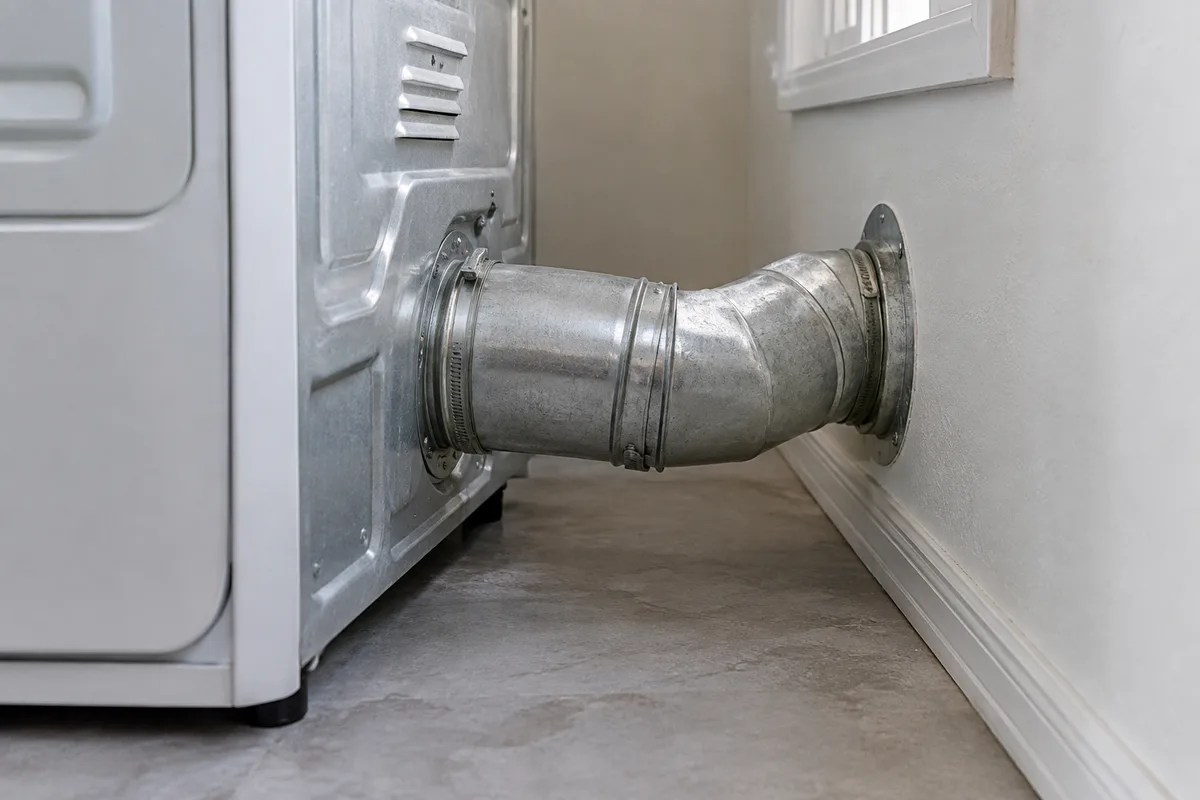
Match the kit to your duct length, not the other way around.
Top picks at a glance
Best for: most long wall vents, 15 to 30 foot runs with one or two elbows
This is the best starting kit for most homeowners. The nylon rods are flexible enough to take a 90-degree elbow without a fight, the threaded joints hold when you keep the drill spinning clockwise, and 30 feet covers the great majority of single-story wall vents with margin to spare. Owner reports consistently describe pulling shocking amounts of lint out of runs that had never been cleaned, which tracks with what a spinning brush does that a vacuum cannot.
Skip it if: your run goes through the roof or past 30 feet. An under-length kit that almost reaches the clog is how brushes get stranded.
Best for: a documented screw-connect system with optional matching extensions
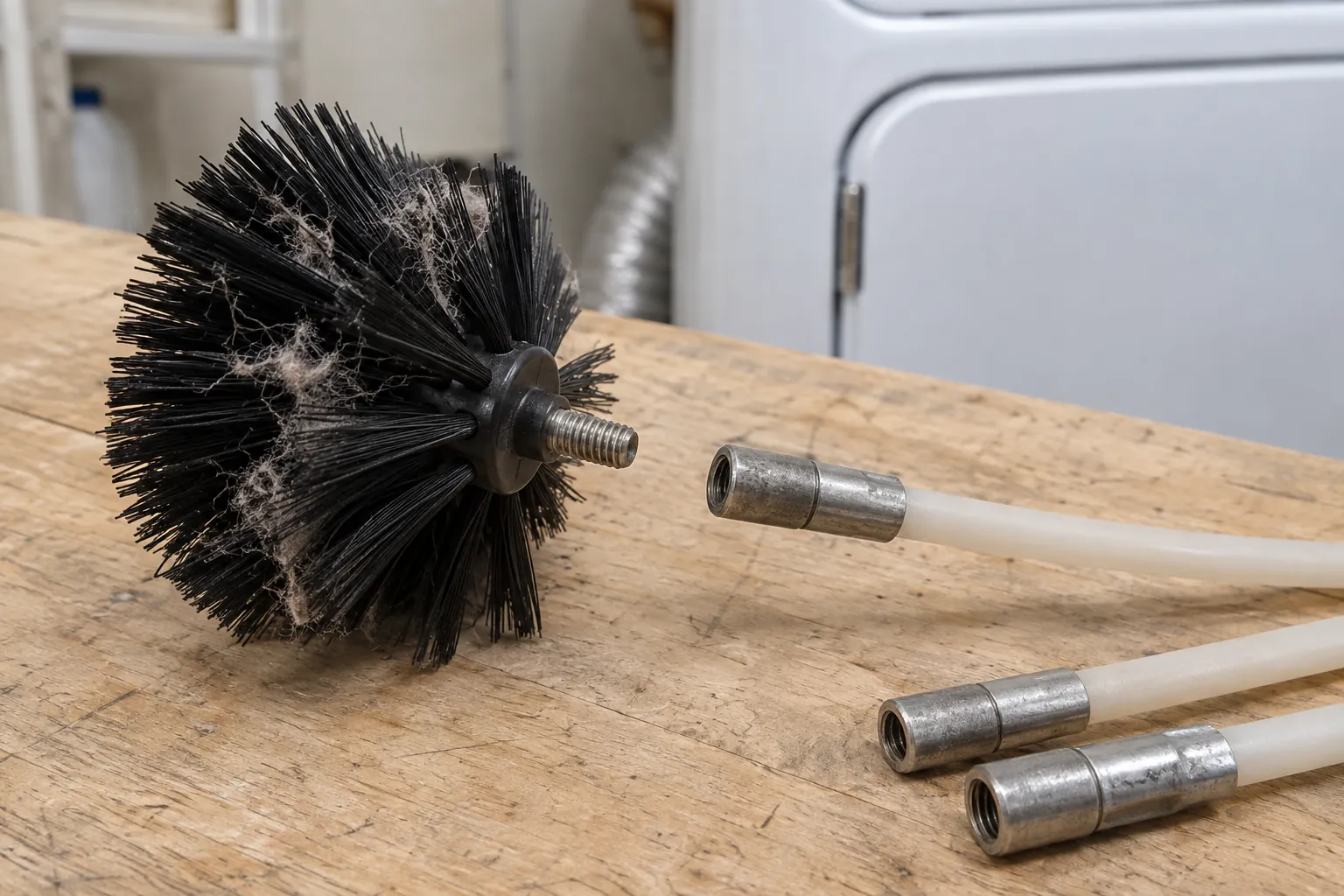
HY-C specifies four 3-foot nylon rods for the RLE202, plus an auger brush and vacuum adapter. The base kit provides 12 feet of rods. Compare the actual route and access with the operator manual before adding the matching LintEater extension rod kit for additional reach. A rod's material does not guarantee that it will not separate or break.
Skip it if: you want one box that reaches 30 feet on day one. The base kit needs extension rods for true long runs.
Best for: one box that handles the duct, the lint trap, and the cleanup
Sealegend's big kit is the do-everything option: rods for the duct run, skinny brushes for the lint trap slot, and a pile of adapters that connect a shop vac or household vacuum to the duct while you work. The 35-foot rod count buys margin on runs the Holikme barely reaches. The omnidirectional brush head is more forgiving in elbows than a fixed head, which matters more the longer the run gets.
Skip it if: you just want rods and a brush. Half this box is adapters you may never touch.
Best for: 30 to 40 foot straight runs on a budget
Same rod system as the 30-foot Holikme, with ten more feet for the ranch house with the laundry room dead center. Long flexible rods store torque, so the far end whips if you run the drill fast. Feed it slow, keep the speed low, and tape every joint before it disappears into the duct. At this length those habits stop being suggestions.
Skip it if: your long run also has three or more elbows. Forty feet of flexible rod in a twisty duct is a handful, and that layout is pro territory.
Best for: the longest residential runs, 40 feet and beyond
Past 40 feet the options thin out fast, and this is the kit that still shows up with enough rod. It is the same hardware as the 35-foot Sealegend with a deeper rod count, so everything above about joints and drill discipline applies double here. If a run this long also climbs a wall or crosses an attic, read our roof dryer vent cleaning guide before you commit to doing it yourself.
Skip it if: your run is under 30 feet. Unused rods are not a bonus, they are clutter, and shorter kits handle short runs better.
Three specs decide it: reach, rod material, and joints.
Reach
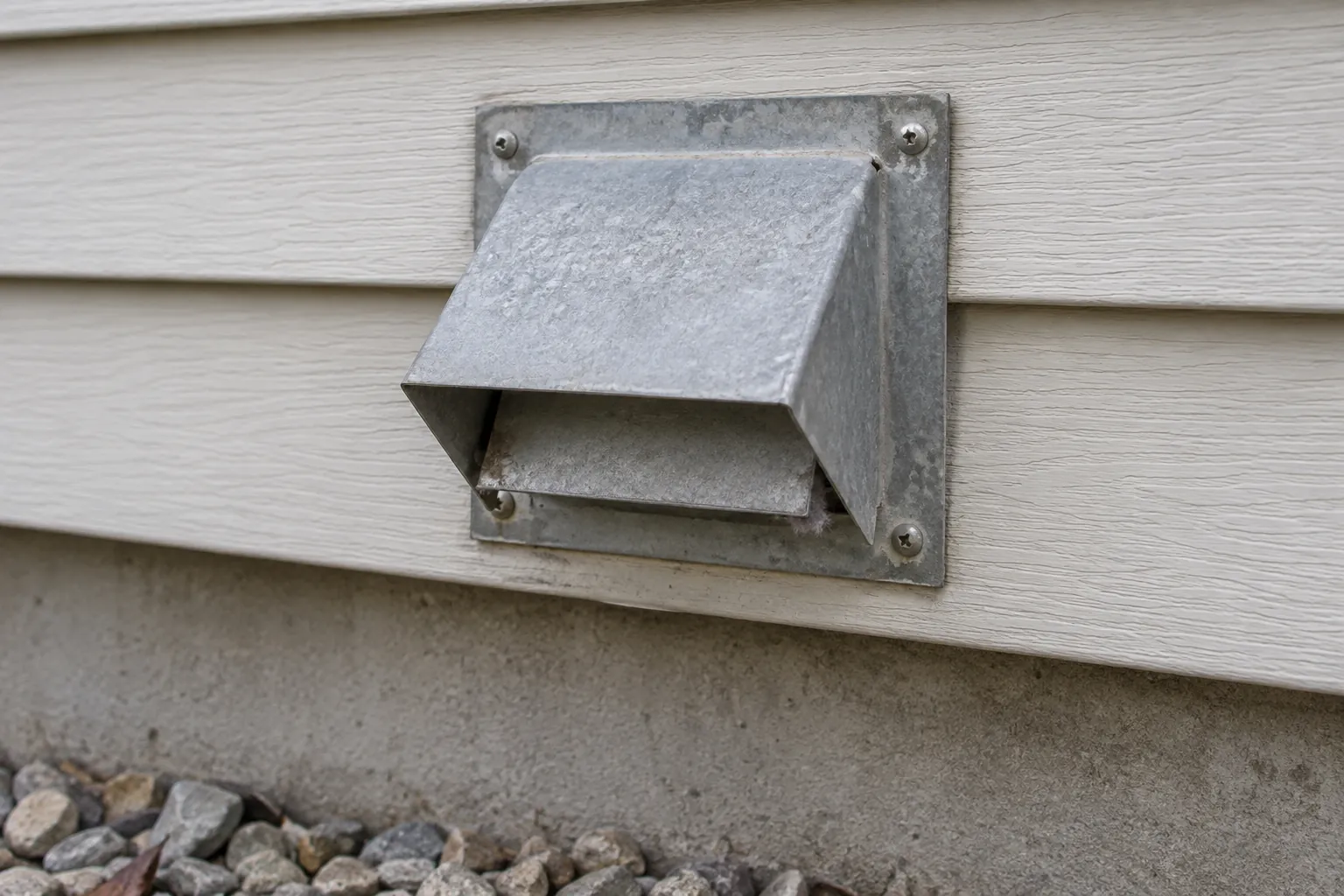
A kit that comes up two feet short leaves the worst lint in place, and stretching for it is how people lose brushes.
If you do not know the run length, the exterior hood location usually tells the story: same wall as the laundry means short, opposite side of the house means long.
Rods and joints
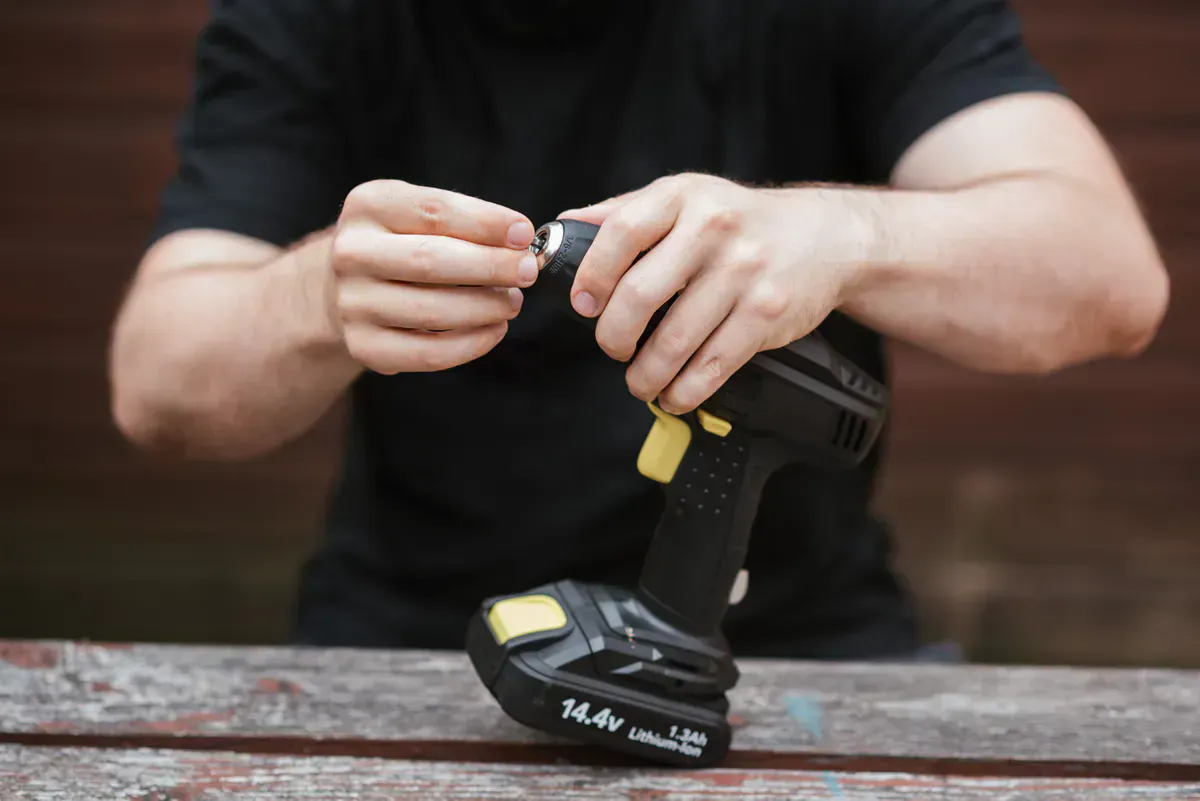
Before use: use the kit's operator manual and inspect its components.
Drill rules
Stop the drill and dryer if a tool binds; see the stuck brush guide for recovery limits.
Access
Source: CPSC says to reconnect the dryer and outside vent before operating (PDF).
Equivalent feet
5 ftThe penalty the usual rule charges each 90-degree elbow
40 ftThe straight shot a 25-foot run with three elbows behaves like
Twisty run? That is another argument for stiffer rods, a slower drill, and an omnidirectional head that can find its way around the corner.
Specs, manuals, and documented owner patterns.
We rank kits on manufacturer specs, instruction manuals, and consistent patterns in long-term owner reports, with reach claims checked against actual rod counts. We skip anything we cannot verify, and we do not let a brand's marketing write the spec table. The full method lives on our how we pick gear page.
Mined straight off the search results page.
Unplug the dryer, pull it out, and disconnect the transition hose. Screw the brush onto one rod, chuck the free end in a drill, and feed it into the duct while the drill spins clockwise at low speed. Add rods one at a time until you reach the outside hood, then back out slowly. A vacuum at the duct opening catches what the brush knocks loose.
Yes, on the clogs that matter. A spinning brush scrubs packed lint off the duct wall far better than a vacuum alone. The exceptions are wet, matted blockages and bird nests, which can need a pro with negative-pressure equipment.
Plan on 30 to 45 minutes for a typical wall vent: 10 minutes to move the dryer and disconnect the hose, 15 minutes of rodding, and the rest for vacuuming and hooking everything back up. A first cleaning on a neglected run takes longer because there is simply more lint.
Partially. A vacuum with a skinny attachment clears the lint trap housing and the first few feet of duct, but it cannot scrub packed lint off the walls of a 20-foot run. Use the vacuum for the trap and the transition hose, and rods for the duct itself.
Most people can. If the vent exits through a wall and the run is under about 25 feet, a drill-powered kit and an hour will do it. Roof exits and runs with multiple hidden elbows are the two cases worth handing to a pro.
Not sure the vent is even your problem? Start with the symptom: a dryer that needs two cycles is the classic sign of a run that needs this page. And when the job is done, head back to the dryer vents hub for covers, hoses, and the rest of the system.
Compare the gear or work through the next step.
 Explainer Are Indoor Dryer Vent Lint Traps Safe or Worth It?
 Safety & troubleshooting Dryer smells like burning: what to do first
 Fix Dryer Takes Two Cycles to Dry: Causes and the Tools That Fix It
Put it on the seasonal maintenance checklist or browse all guides.