Water Leak Detectors That Pay for Themselves
Sensors for the laundry room, the water heater and under the sink, from basic alarms to smart ones.
What to check
Supply hoses fail behind the machine where nobody looks. A floor sensor there catches it early.
Read the guide: The Best Water Leak Detectors for the Laundry RoomWhat to check
A basic alarm screams; a smart sensor also alerts your phone. Whether the house sits empty decides it.
Read the guide: Smart Water Leak Detector vs Basic AlarmWhat to check
A slow drip rots the cabinet floor for months. Slim sensors fit behind the P-trap.
Read the guide: The Best Water Leak Detectors for Under the SinkEvery leak detector guide
Roundups first, then the comparison.
-
 Roundup
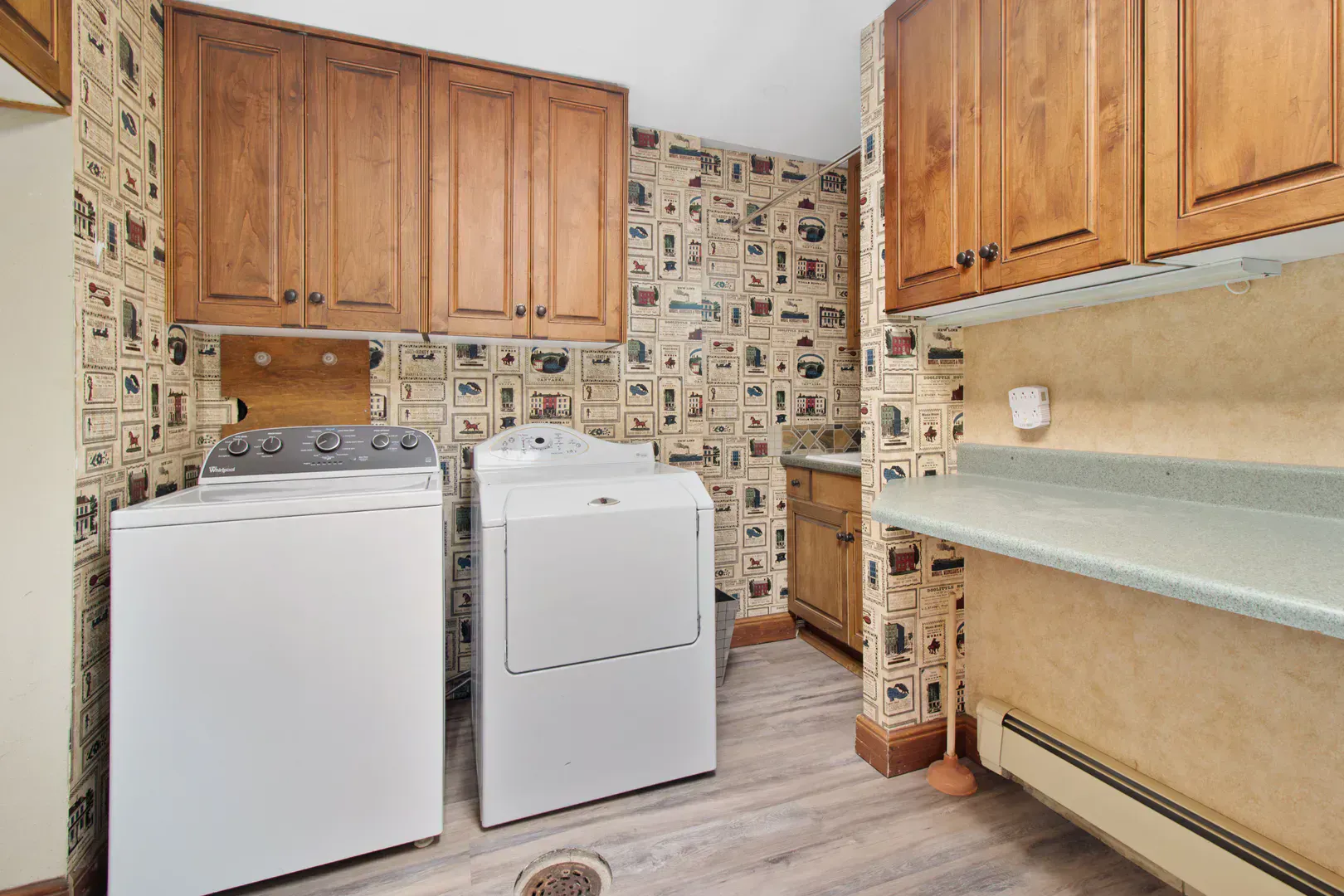
Best water leak detectors for laundry room
Washer hoses fail behind the machine where you never look. The detectors worth putting there, placement first.
See the picks -
 Roundup
Best water leak detector for under sink
Slim pucks and WiFi sensors that fit behind the P-trap and actually reach your phone before the cabinet rots.
See the picks -
 Compare
Smart water leak detector vs basic alarm
A basic alarm screams, a smart one texts you on vacation. When the cheap puck is plenty and when WiFi earns its keep.
Compare them
A small sensor that notices water in seconds
A washing machine hose carries full house pressure around the clock, and it is made of rubber. So is the gasket in your water heater and the supply line under the sink. When one of those parts lets go at 2 a.m., the water does not stop until somebody closes a valve. That is the whole case for leak detectors: a part the size of a hockey puck that notices water in seconds instead of hours.
The gear splits into two camps. Basic alarms run on a battery and scream when their contacts get wet. Smart sensors do the same and also push an alert to your phone, which matters most when the house is empty. We compare the two camps honestly in smart vs basic water leak detectors, and the short version is that occupancy decides it, not the gadget aisle.
One note on insurance, because the marketing here gets loose. Water damage ranks among the most common homeowners claims, and some insurers do offer credits for leak detection devices. The size of that credit varies by company and state, so ask your agent before you count on it. Buy the sensor for the floor it saves, and treat any discount as gravy.
The three places to put one first
Cover the pressurized rubber before anything else.
First, the laundry room. Supply hoses fail behind the machine where nobody looks, and a burst hose is the classic whole-floor flood. Pair the sensor with braided stainless washer hoses and you have covered both the warning and the prevention. Second, the water heater: tanks weep from the bottom seam before they fail, and a sensor in the drip pan catches it early. Third, under the kitchen sink, where a slow drip rots the cabinet floor quietly for months. Our under-sink picks cover the slim form factors that fit back there.
Whole-home auto-shutoff valves exist too, and they are good gear for houses that sit empty for weeks. For most homes, sensors at the failure points deliver most of the protection at a fraction of the effort. Put a battery check on the seasonal maintenance checklist and the system stays honest.
Leak detector questions, answered straight
The questions homeowners actually search.
Do water leak detectors work?
Yes. The technology is simple and reliable: two contacts on the bottom of the unit close a circuit when water touches them, and the unit screams or pings your phone. The failures are almost always human, a dead battery nobody tested or a sensor sitting two feet from where the water actually pools. Put the sensor at the low spot, test it twice a year, and it does its job.
Are water leak detectors worth it?
A basic alarm costs less than almost anything else in home maintenance and stands guard over appliances that can dump hundreds of gallons. Water damage sits near the top of homeowners insurance claim categories year after year, and the deductible alone on one soaked floor buys sensors for the whole house many times over.
Where should you place water leak detectors?
Start where pressurized water meets a rubber or plastic part: behind the washing machine, under the water heater, and under the kitchen sink. Then add the basement low spot and any upstairs bathroom over a finished ceiling. The sensor goes at the lowest point water would reach, not up on a shelf where you happen to see it.
Do you need water leak detectors if you have never had a leak?
That is exactly when they earn their keep. Supply hoses and water heaters wear out with age. A worn washer hose can burst without dripping first, and a water heater tank usually leaks before it floods. The detector exists to catch the first failure, because the first one is the expensive one.