Washer Hoses and Water Heater Maintenance
Two cheap jobs that help prevent two of the most expensive failures, plus the fix for banging pipes.
What to check
Swap them for a braided stainless pair: pliers, twenty minutes and standard 3/4-inch fittings.
Read the guide: The Best Washing Machine HosesWhat to check
Sediment is building on the tank floor. A yearly flush takes a hot-rated hose, a bucket and about 45 minutes.
Read the guide: Water Heater Flush Kit: What You NeedWhat to check
A screw-on water hammer arrestor usually stops it in about ten minutes.
Read the guide: The Best Water Hammer Arrestors for Washing MachinesEvery plumbing guide
Hoses first, then the water heater.
-
 Roundup
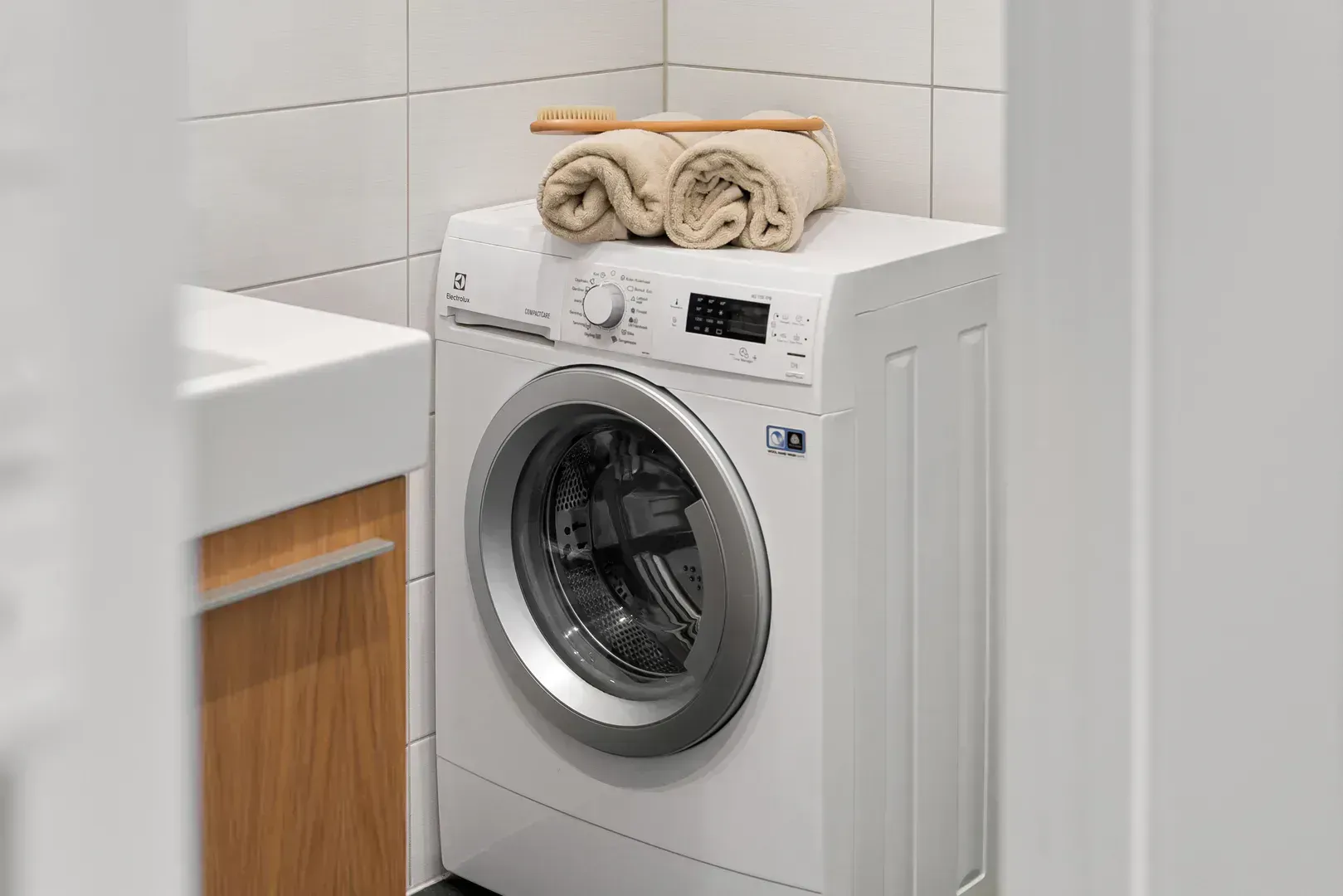
Best washing machine hoses
Braided stainless pairs, auto-shutoff options, and elbow ends for tight hookups. Plus the 20-minute swap.
See the picks -
 Roundup
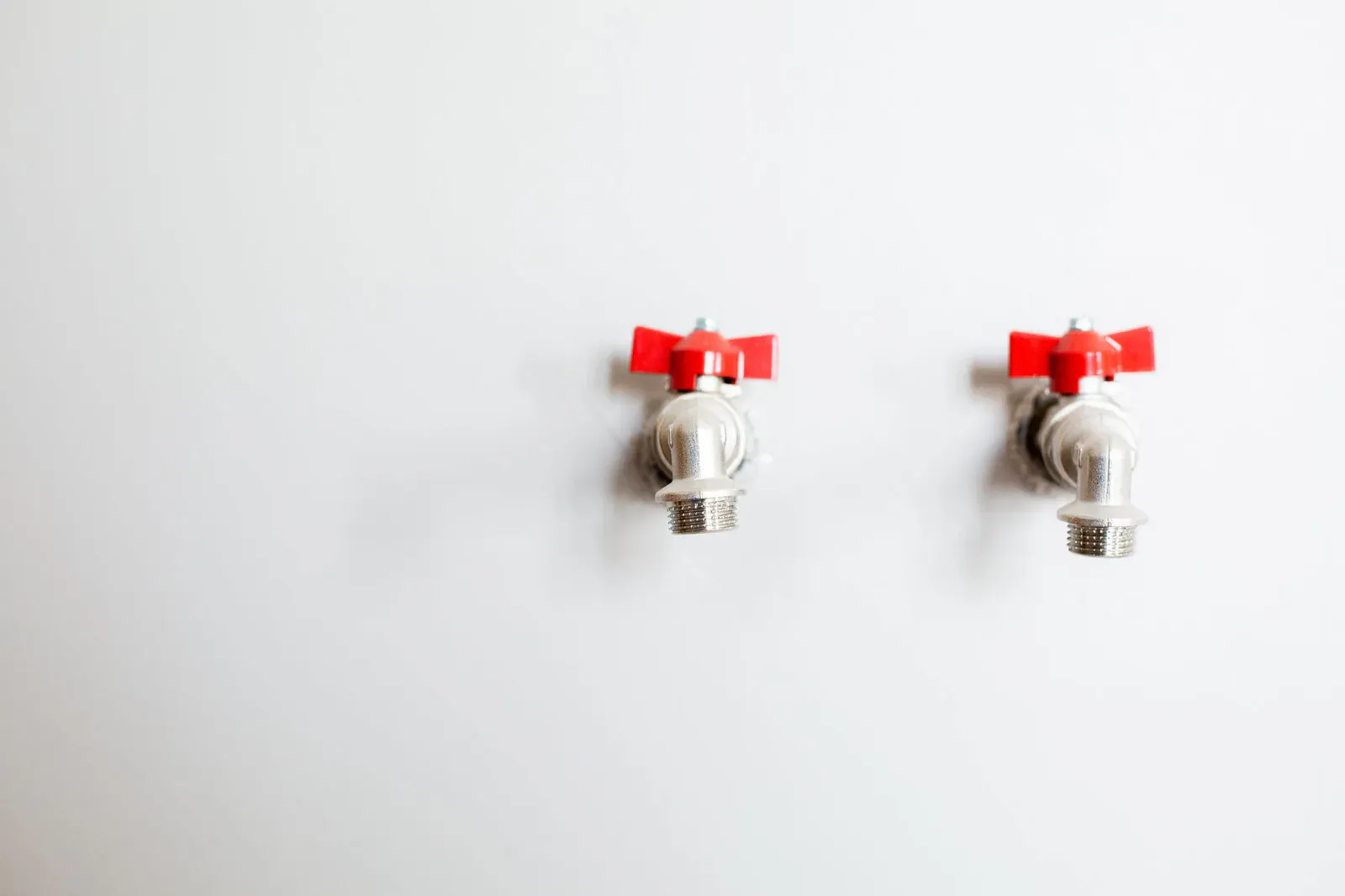
Best water hammer arrestors for washing machines
Pipes banging when the washer fills? A screw-on pair at the valves ends it in ten minutes.
See the picks -
 Compare
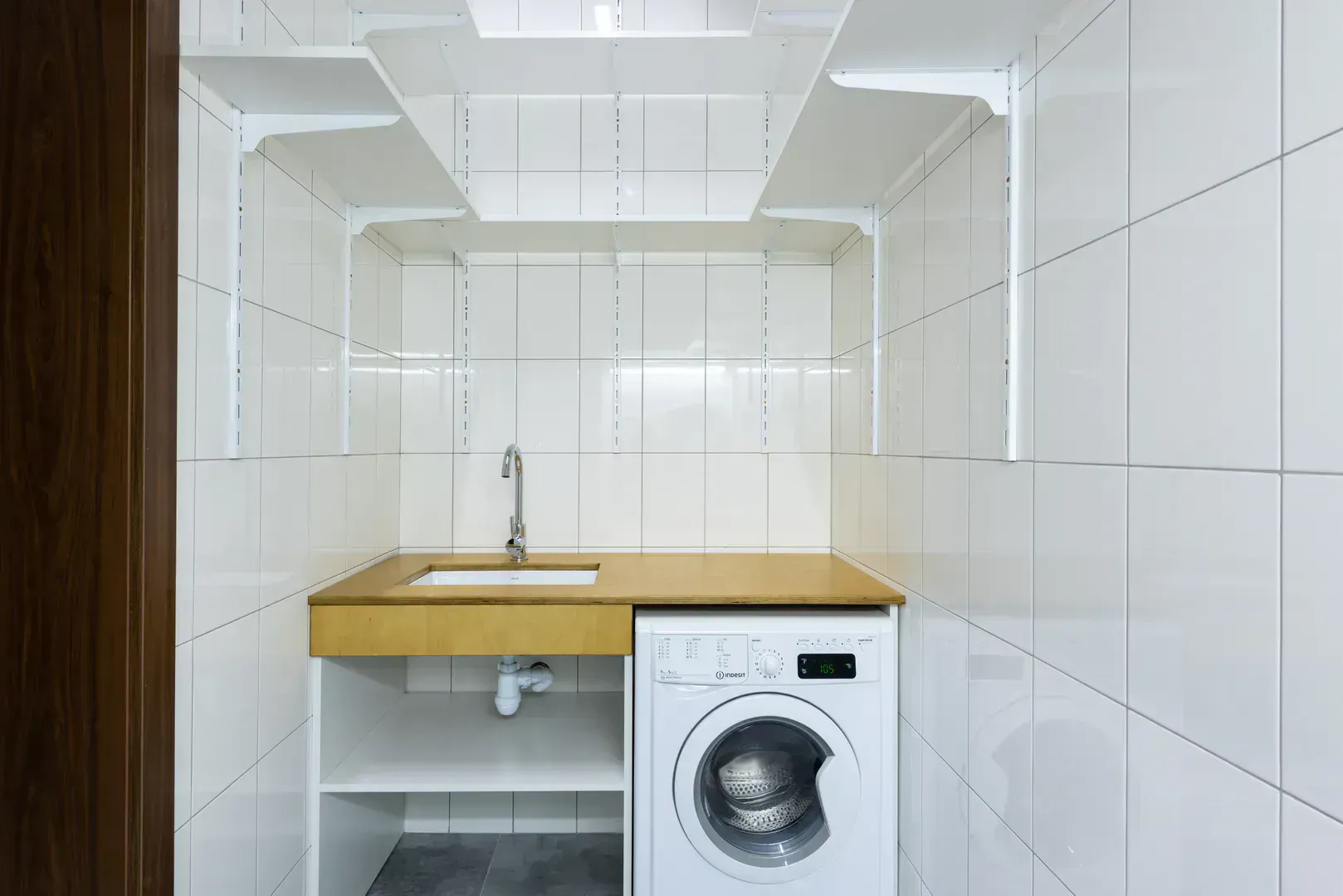
Rubber vs braided stainless washer hoses
Why rubber hoses burst from the inside out, and the one situation where rubber is still fine.
Compare them -
 Roundup
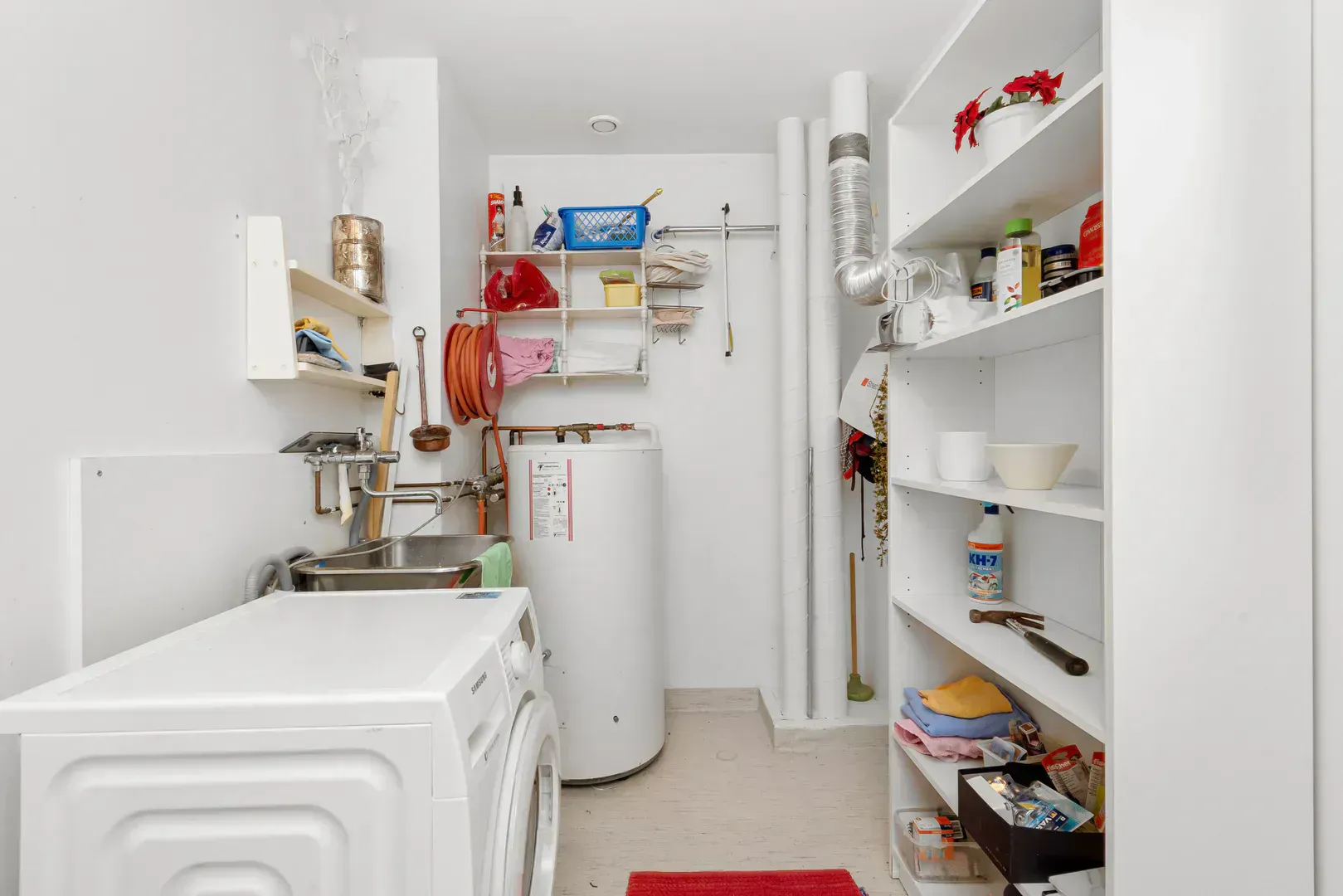
Best water heater flush hose
Heat-rated hoses that survive 140-degree water and a gritty drain valve, picked by run length.
See the picks -
 Explainer
Water heater flush kit: what you need
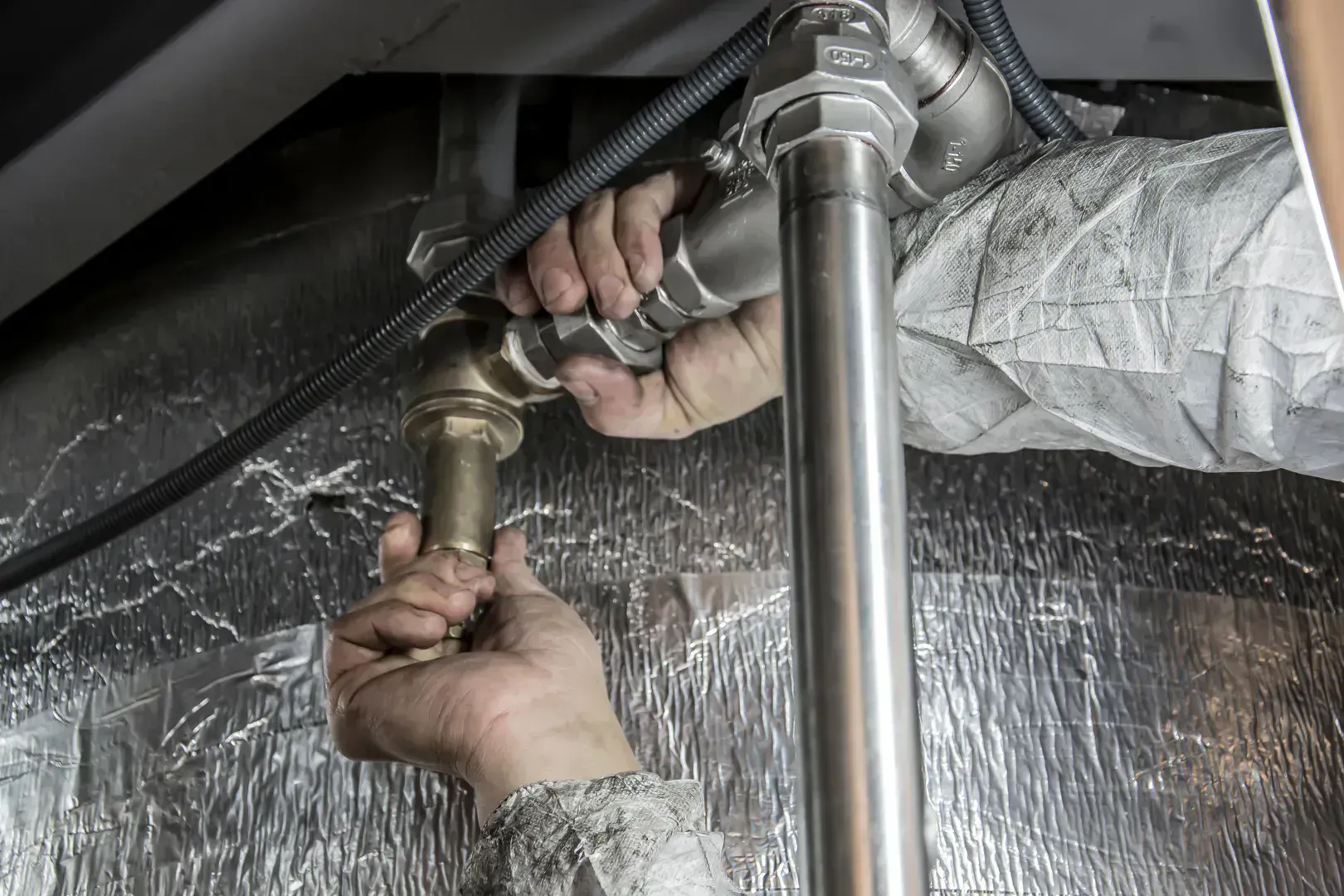
A hot-rated hose, a bucket, channel locks, and 45 minutes. The full list and the step-by-step.
Read the guide
Two jobs worth doing yourself
Home plumbing is mostly a spectator sport. Repipes, drain lines, anything inside a wall: call a plumber. But two jobs sit squarely in homeowner territory, cost almost nothing, and help prevent two of the most expensive failures in the house. This cluster covers those two, plus the ten-minute fix for pipes that bang when the washer fills.
Job one: replace the washing machine hoses. The original rubber hoses on most washers run under full street pressure around the clock, and they age from the inside where you cannot see it. When one lets go, it may not drip first. It can dump water at fire-hose enthusiasm into a room nobody checks for hours. The fix is a braided stainless pair, a pair of pliers, and twenty minutes every five years, the interval washer makers such as Whirlpool and GE Appliances give. Most washers take standard 3/4-inch garden hose thread, so there is nothing to solder. Measure the reach from valve to washer and note whether the space behind the machine calls for elbow ends before you buy.
Job two: flush the water heater once a year. Every gallon your heater warms drops a little mineral on the tank floor. The sediment layer grows until the burner is cooking rock, the tank starts popping like a coffee maker, and the heater dies years early. Draining it through a hose flushes the sediment out. The whole operation is a hot-rated hose, a bucket, and 45 minutes of mostly waiting.
Neither job needs a permit, a torch, or anyone in a branded van. Both pair naturally with cheap sensors that watch for the failure you did not prevent, which is why the water leak detector cluster is this page's sibling. A braided hose plus a sensor behind the washer is a low-cost way to catch a leak early. Both jobs also have a standing slot on the seasonal home maintenance checklist.
Plumbing checklist
0 of 6 done
- Guide: Inspect washer hoses for bulges, rust and damp spots
- Guide: Replace washer hoses every five years
- Guide: Flush the water heater once a year
- Guide: Let the tank cool before you drain it
- Guide: Know where your main water shutoff is
- Guide: Put a leak sensor behind the washer
Plumbing questions, answered straight
The questions homeowners actually search.
Are washing machine hoses universal?
Close to it, at the thread. Most U.S. washers and standard laundry shutoff valves take 3/4-inch garden hose thread (GHT), the thread on an outdoor spigot. You still need to check the reach, usually 4 to 6 feet, and whether straight or elbow ends suit the space behind the machine. Your washer manual may also require new hoses or rule out auto-shutoff types. After that, the choice is construction: rubber or braided stainless.
Is a water heater flush necessary?
Yes, on a tank heater. Minerals fall out of heated water and settle as sediment on the tank floor. That layer makes a gas burner heat rock instead of water, causes the popping and rumbling sounds, and shortens tank life. An annual flush costs nothing but a hose and 45 minutes.
How often should you replace washer hoses and flush the heater?
Replace washing machine hoses every five years, rubber or braided, even if they look fine. That is the interval Whirlpool, GE Appliances and LG give, and a hose that bulges, cracks or leaks comes out sooner. Flush the water heater once a year, or every six months in hard-water areas. The seasonal checklist puts the hose inspection in spring and the heater flush in summer.