Heads up: this page has affiliate links. As an Amazon Associate, Vent & Valve earns from qualifying
purchases at no extra cost to you. Full disclosure.
The short answer
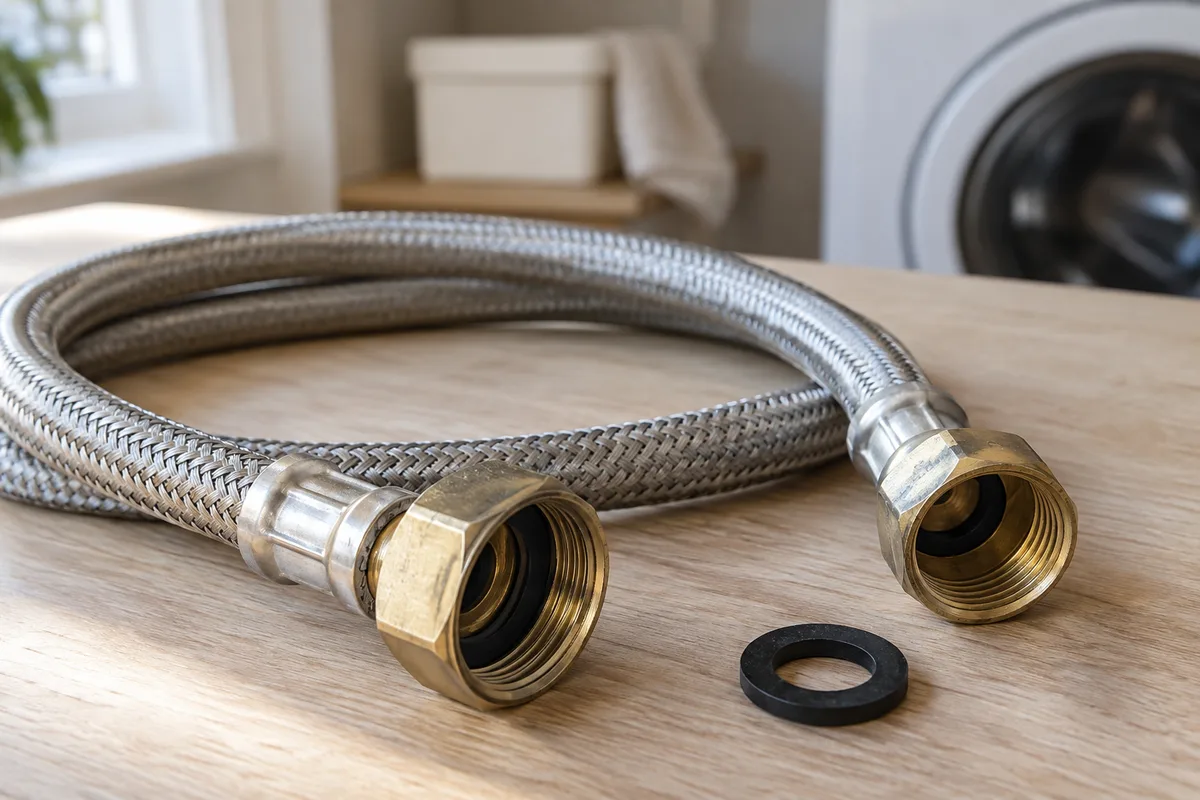
Braided stainless, nearly always. The price difference is a few dollars
per hose. The failure it guards against is a pressurized line emptying into your laundry
room for hours, though both types still need replacing on schedule.
Rubber only makes sense where a leak drains harmlessly away and you actually replace
hoses when they are due.
The outer braid is only one detailThe inner hose, end fittings and installation requirements also affect the choice. A braided exterior is not proof against every kind of leak.
Washer supply hoses are the rare product where the cheap option and the good option do the
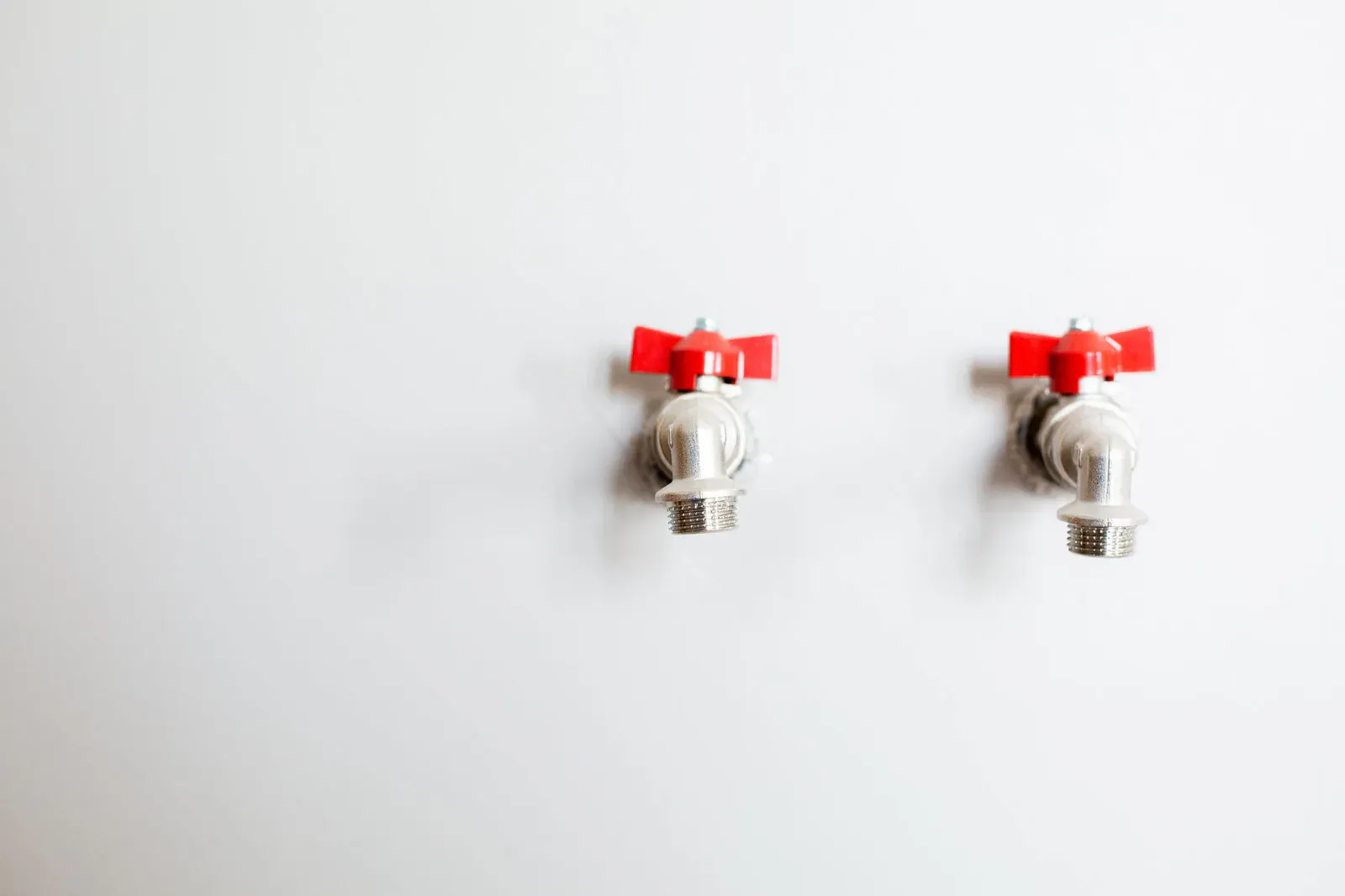
same job on day one and completely different jobs in year eight. Both screw onto the same
3/4-inch GHT valves. Both fill the machine identically. The difference is what happens as
they age, so that is what this comparison is actually about.
The valve snaps shutThe washer's solenoid valve closes at the end of a fill.
The water stopsThe moving column of water slams to a stop.
A spike runs backIt sends a pressure spike back up the hose.
Plumbers call it water hammer, and a washer delivers it several times per load.
Rubber
One wall does everything
A rubber supply hose is a single wall doing everything: sealing the water and resisting the pressure. That wall lives a hard life.
Chlorinated hot water cooks it from the inside, so the rubber slowly hardens and develops micro-cracks you cannot see from the laundry room.
Meanwhile the pressure never rests. Unlike a faucet line that holds pressure only when open, washer valves typically stay on, so the hose sees street pressure around the clock for years.
An aged wall plus thousands of hammer cycles eventually finds the weak spot, and rubber does not fail polite. It splits, and a split supply line flows wide open until someone turns the valve off.
Braided stainless
The job split in two
The inner liner only has to stay watertight.
The woven stainless jacket around it absorbs the pressure and the hammer.
The liner still ages, and a braided hose can still fail, so it gets the same five-year replacement date.
03
What a burst actually costs
This is an insurance story, not a plumbing story.
State Farm says a failed
washing machine hose can release an average of 650 gallons of water an hour, and it
advises turning the washer valves off before you leave home for several days.
The math is unforgiving
The burst
At State Farm's average, that is more than 10 gallons a minute.
A hose can fail when nobody is home to hear it.
Run that flow across a workday and you are replacing flooring, drywall, and whatever lived in the rooms below, then explaining the claim at renewal time.
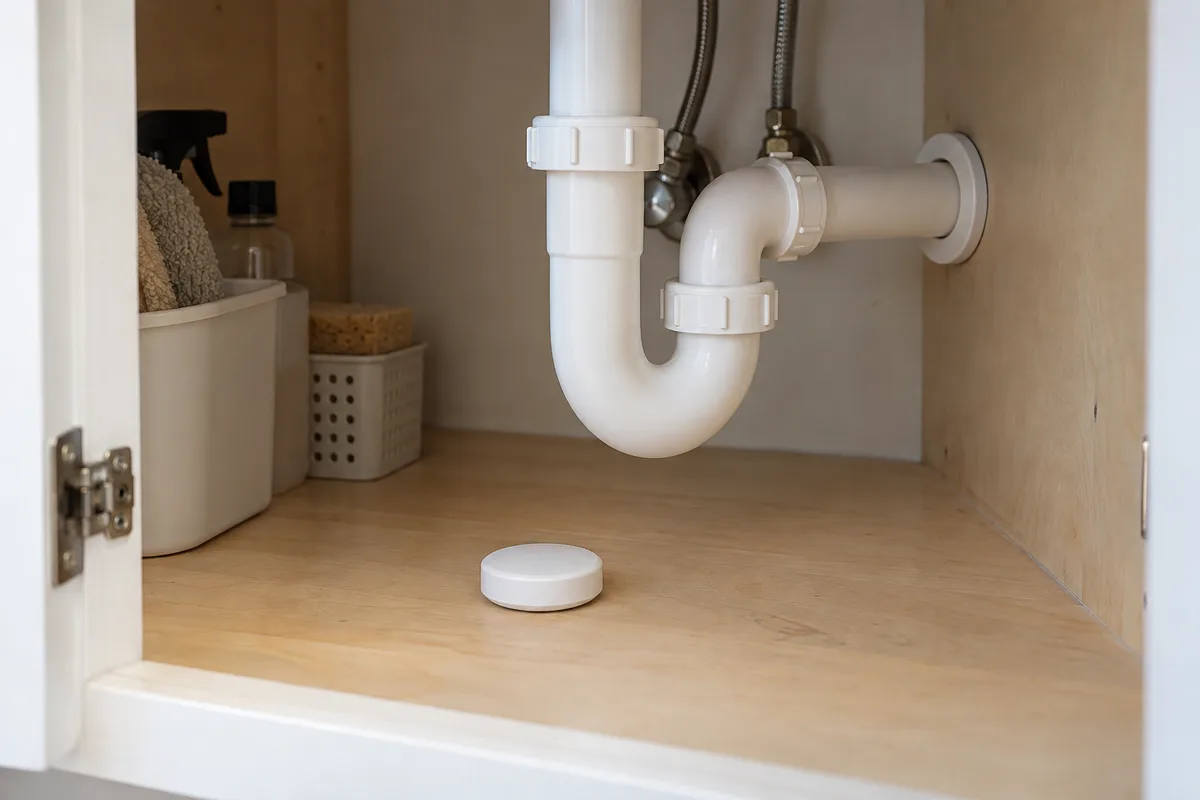
That combination, strong hose plus early warning, is the cheapest risk reduction in the house.
04
Where rubber is still fine
The honest case for the cheap hose.
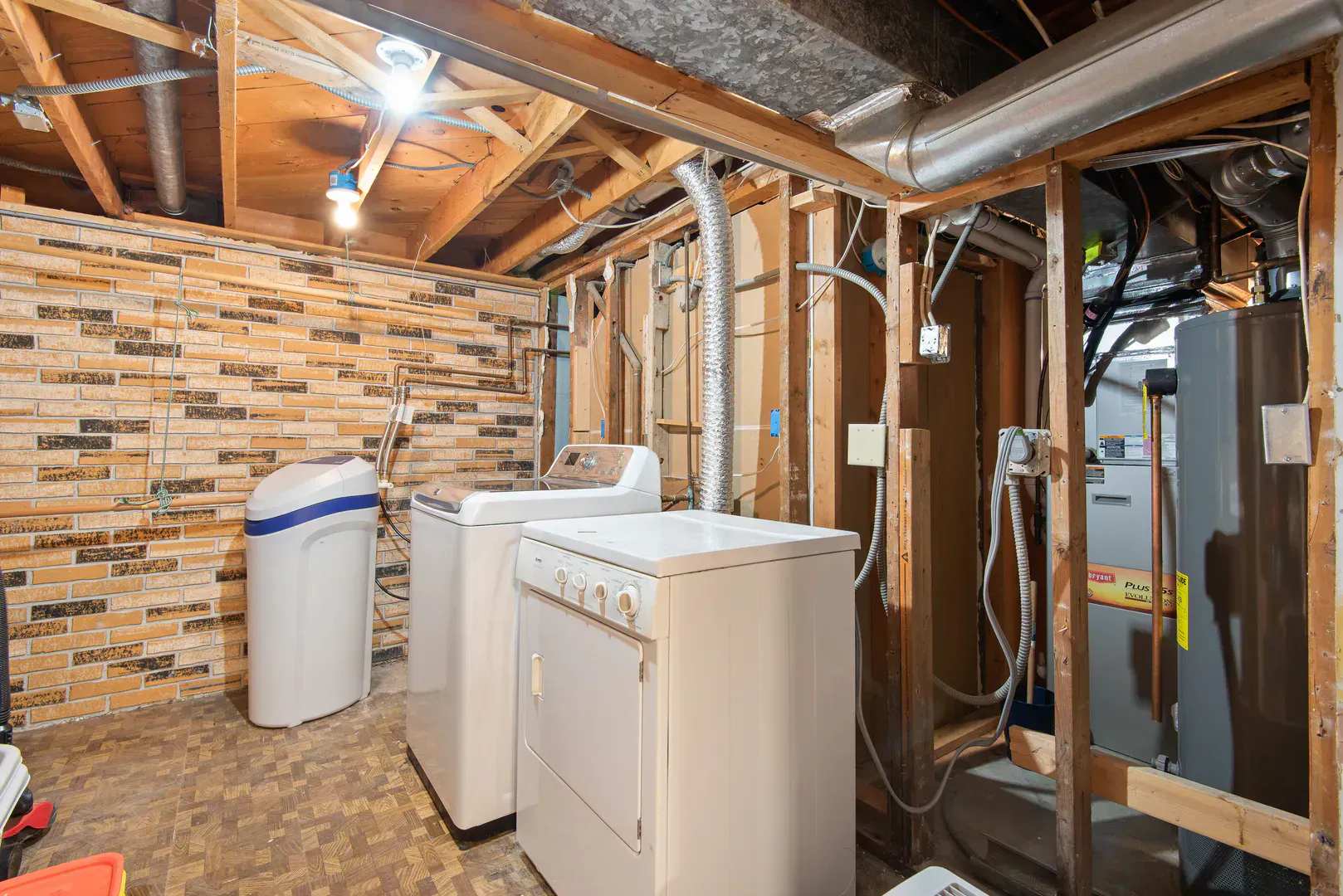
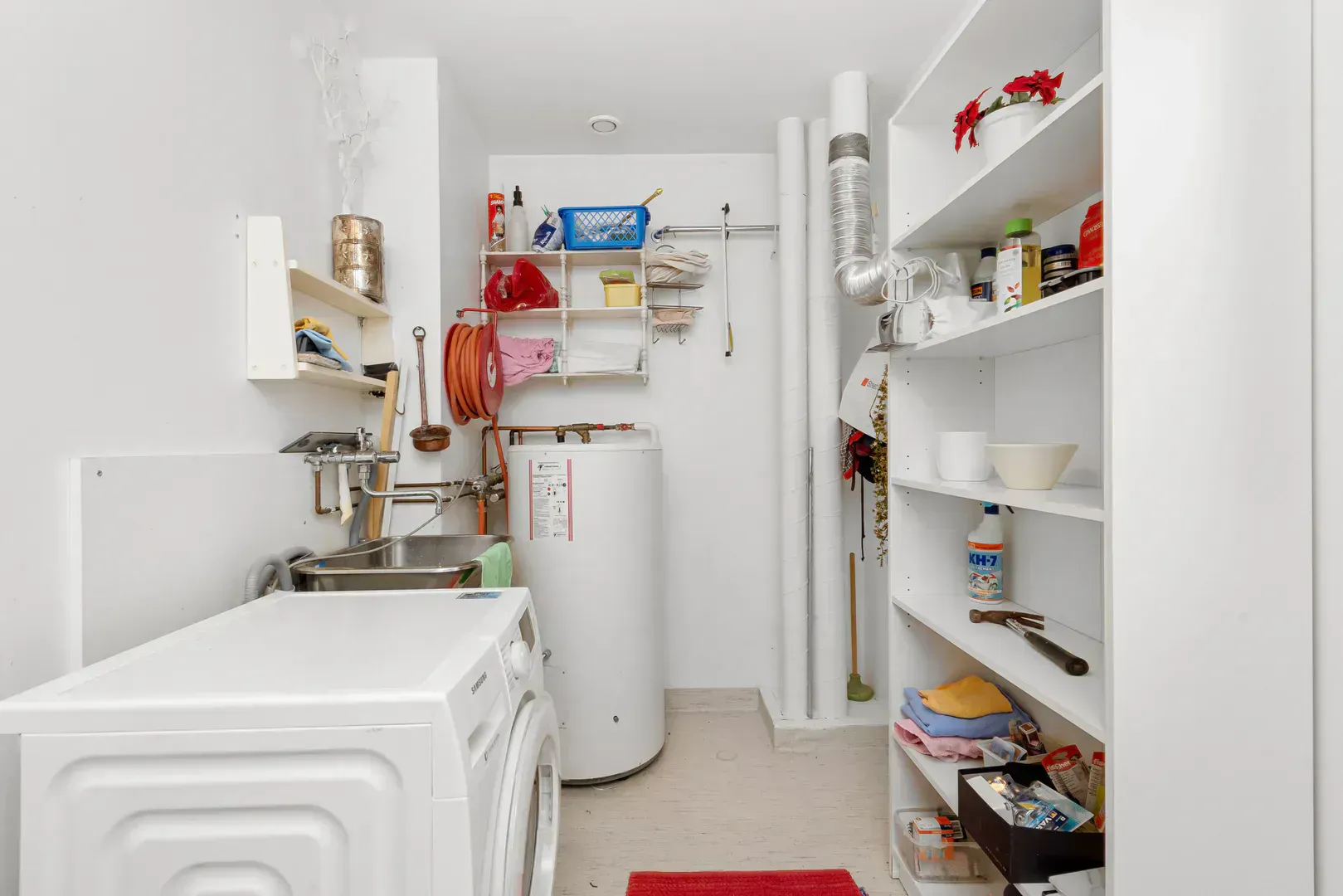
Basement and utility-room washers are where the case for rubber lives.
Rubber earns its keep in exactly one setup:
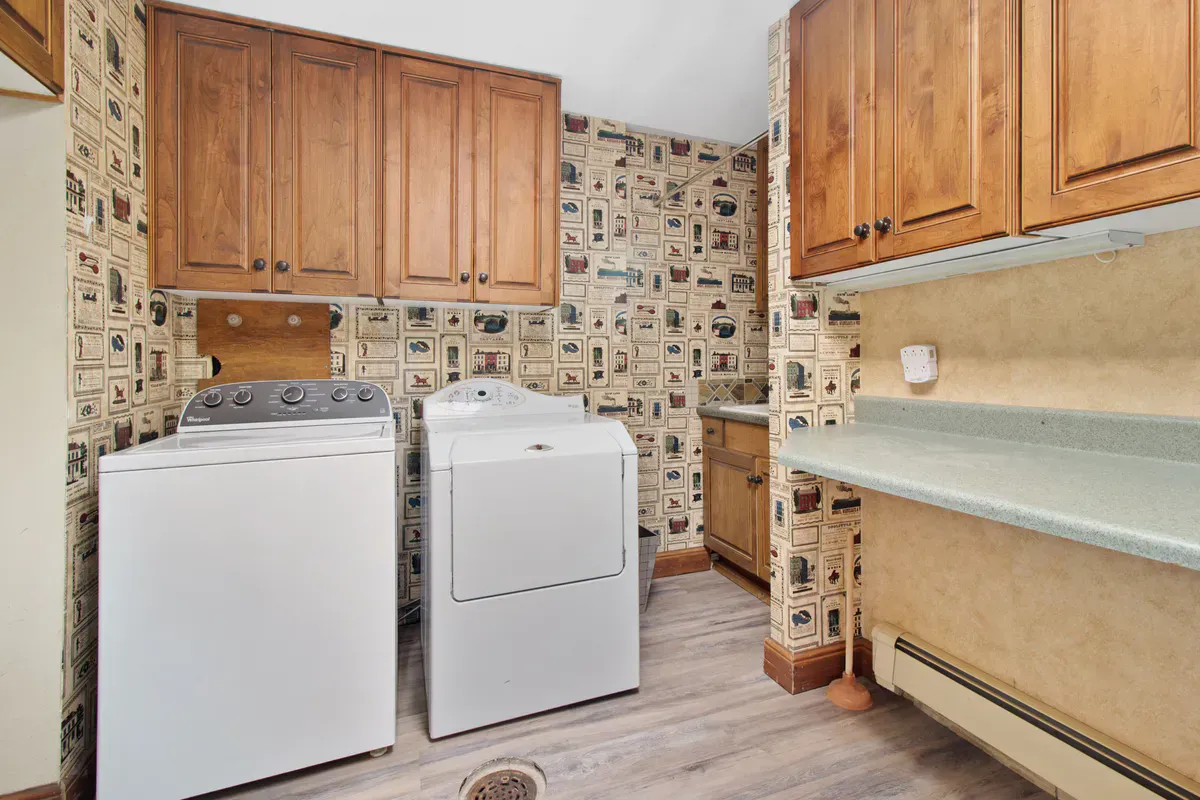
A basement or utility-room washer sitting next to a working floor drain.
Owned by someone who genuinely replaces hoses on schedule.
There a failure costs a mop, not a ceiling, and frequent replacement resets the aging clock that kills rubber in the first place. Landlords with hard turnover schedules sometimes run the same logic.
If that is not your laundry room, it is braided.
05
Which to buy, by situation
Thirty seconds of decision-making.
Braided
Second floor or above finished rooms
Braided, and consider the auto-shutoff style, because a failure there costs ceilings.
Braided
Washer crammed in a closet
Braided with 90-degree elbow ends, so the hose is not crushed against the wall.
Rubber is defensible
Basement washer beside a floor drain
Rubber is defensible if you truly replace on schedule. Braided keeps the same schedule and adds a jacket that resists kinks and punctures.
Braided
Rental property
Braided, dated with a paint pen at install, checked at every turnover.
Replace now
Hoses of unknown age on a washer you just inherited with the house
Replace them this weekend, whatever they are.
Unknown age is the riskiest spec a pressurized hose can have.
06
Rubber vs braided questions
Lifespan, failure, and threads.
Are braided washer hoses really better than rubber?
How often should washing machine hoses be replaced?
Every five years for both types, going by washer makers. Whirlpool and LG give five years for inlet hoses, and GE gives the same interval for its stainless braided pair. State Farm's advice is three to five years. Replace sooner if you find bulges, cracks, kinks or leaks. A braided jacket hides the inner hose, so go by the install date rather than looks.
Do braided stainless hoses ever burst?
Yes, they can. Braided hoses are built to resist bursting, and LG's washer manual warns that old hoses can leak or burst. Build quality and the end fittings matter, and so does replacing the pair on schedule. A leak sensor behind the washer covers the failure you did not prevent.
Are washing machine hoses the same as garden hoses?
They share the same 3/4-inch GHT thread, which is why the fittings look familiar, but they are not interchangeable. A garden hose is not rated for constant pressure or hot water and will fail early behind a washer. Use supply-rated hoses inside, garden hoses outside.