The Seasonal Home Maintenance Checklist for New Homeowners
- SystemWhole house
- Job typeGuide
- BySam Whitlock
- UpdatedAugust 2026
Heads up: this page has affiliate links. As an Amazon Associate, Vent & Valve earns from qualifying purchases at no extra cost to you. Full disclosure.
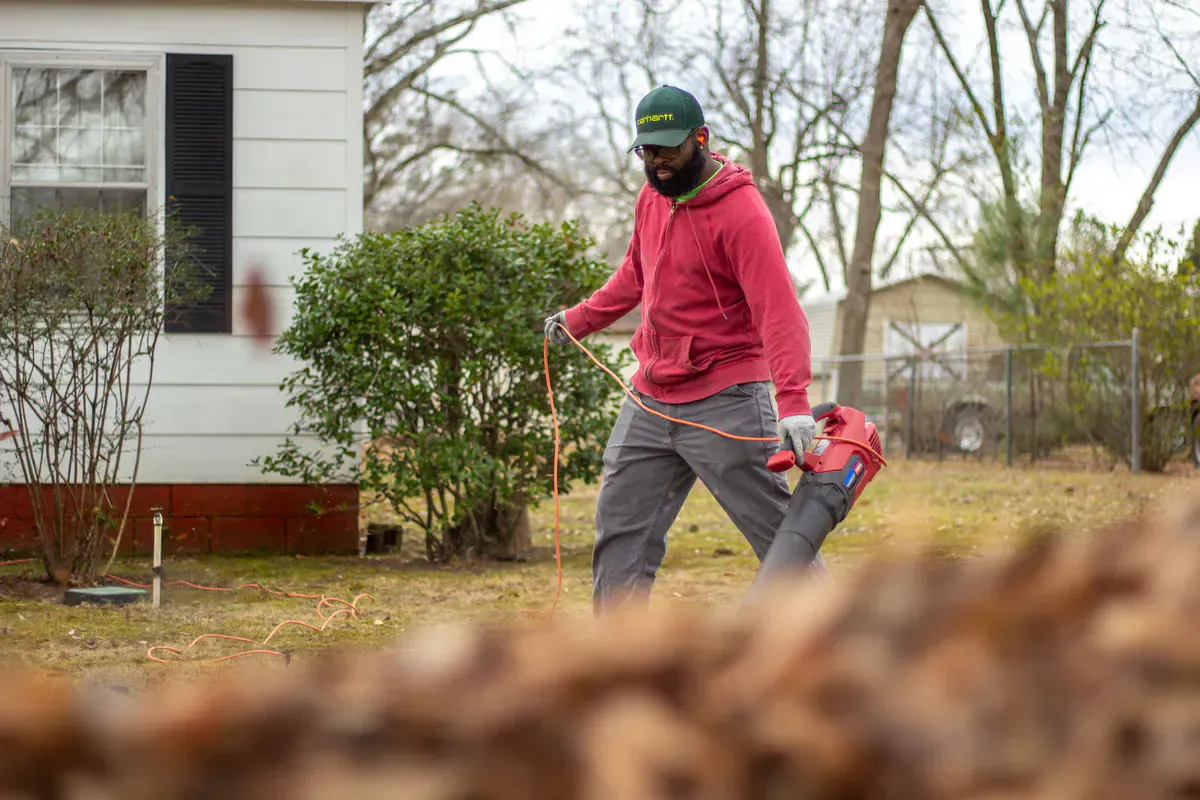
A house does not fail all at once. It fails one skipped task at a time: the gutter that overflowed for two autumns, then the washer hose that sat unlooked-at for nine years. This checklist is the whole recurring workload of a typical single-family house, sorted by season, with each task linked to the guide or the gear that handles it. Print it, tape it to the garage wall, and pencil in dates. That is the entire system. No app required, and nothing to subscribe to.
A note on why seasons and not months: the big jobs are weather-driven. Gutters get cleaned when leaves finish dropping. Faucets get covered before the first hard freeze. The short monthly list further down covers the few things that genuinely repeat every month. Everything else lives where the weather puts it.
The dates below assume a four-season climate. Shift them to fit yours. In the Gulf South, faucet covers matter for two cold snaps a year and gutters fight pine straw year-round. In the upper Midwest, fall tasks need to finish by late October because the first hard freeze will not wait for your weekend. The tasks do not change. Only the calendar does.
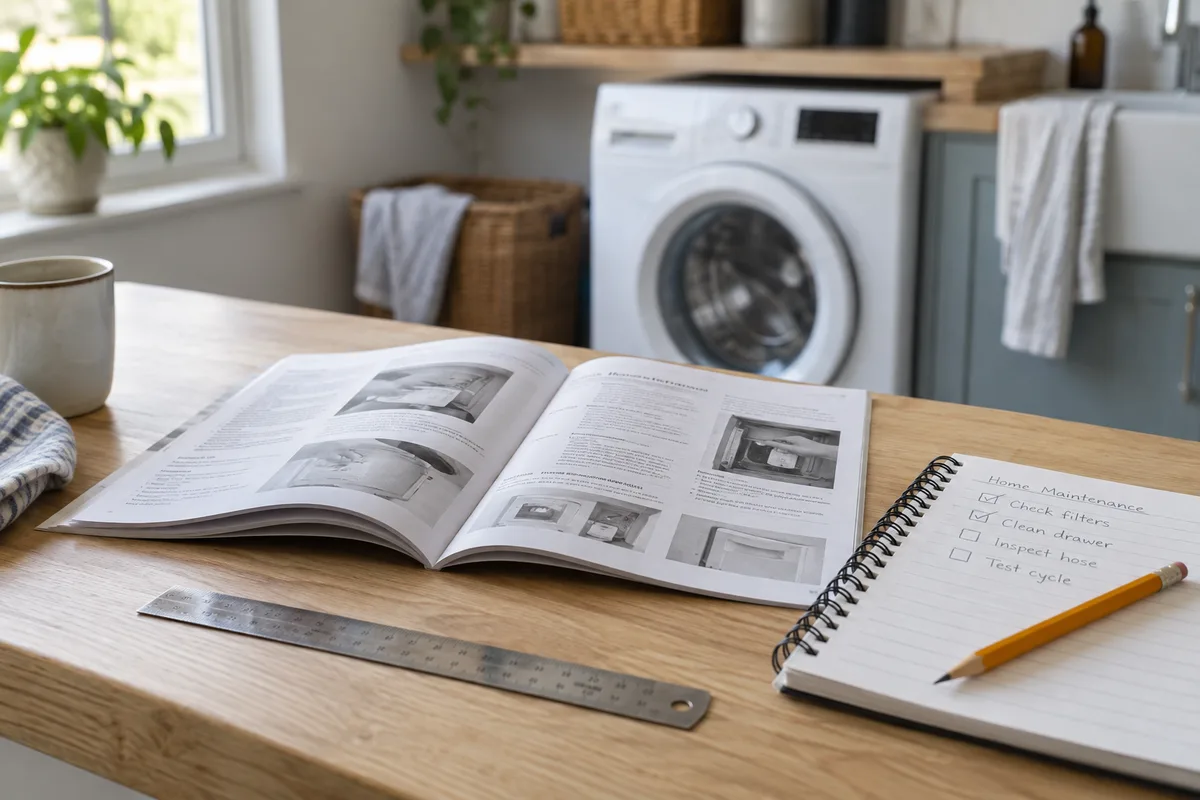
The four seasons, task by task
Work each block near the start of the season. Check boxes as you go.
Spring
- Clean the gutters and downspouts. Seed pods, pollen strings, and winter grit clog the downspout throats first. Most single-story runs never need a ladder. Ground tools that work
- Clean the dryer vent run. Follow the schedule in your dryer manual and clean it sooner if drying slows down. A drill-powered kit makes it a short job. The real schedule
- Change the furnace filter and set your cadence. Write the size on the furnace door in marker. Buy the year in one multipack. Air filter picks and MERV basics
- Lubricate the garage door. Rollers, hinges, and springs get silicone or white lithium. Never the tracks. Ten minutes, twice a year. The 10-minute routine
- Inspect the washing machine hoses. Look for bulges, cracks, rust at the fittings, and damp spots. Replace any pair past five years, braided included, as washer makers advise. Washer hose and water heater guides
- Test every smoke and CO detector. Hold the button until it screams, replace batteries that are not sealed 10-year units, and check dates: detectors expire. Fire safety gear, placed right
- Uncover outdoor faucets after the last frost. Covers come off, hoses go back on, and the covers go in the basement for fall. Faucet cover guide
- Walk the exterior once. Siding gaps, failed caulk, soil grading that slopes toward the foundation, downspouts that dump at the wall. Phone photos make a free record. Exterior gear hub
Summer
- Check the AC filter monthly during cooling season. Cooling moves more air through the filter than heating does, and a loaded filter makes the system work harder in the hottest weeks. Replacement and MERV basics
- Flush the water heater. Once a year, and summer is the comfortable season to do it. A hot-rated hose, a drain path, and 45 minutes. What you actually need
- Check whether the refrigerator water filter is due. Many manuals use a six-month schedule or a status light. Follow the refrigerator's instructions, and use summer and winter as reminder points when six months applies. Fridge filter picks and fixes
- Test leak detectors before vacation. Touch water to each sensor and confirm the alert reaches your phone. A burst hose with nobody home is the worst-case version of every plumbing failure. Leak detector placement guide
- Deep-clean the dryer lint screen. Wash it with dish soap to strip the invisible softener film, and check the exterior flap opens freely while the dryer runs. Dryer vent cluster
- Wipe down the garage door tracks. Clean rag only, no lubricant in the tracks. Listen for new noises while it cycles. Garage door maintenance hub
- Check fire extinguisher gauges. Needle in the green, pin in place, no corrosion. One in the kitchen, one in the garage. Extinguisher types in plain English
Fall
- Clean the gutters again after leaf drop. This is the pass that protects the house all winter. Wait until the trees are mostly bare or you will do it twice. From-the-ground tools
- Winterize outdoor faucets before the first hard freeze. Hoses off, interior valves shut and drained, covers on. The order matters more than the cover brand. The 3-step winterizing order
- If a job needs a ladder, set it up right. Stabilizer on, 4-to-1 angle, rails never on the gutter. Fall is peak ladder season and peak ladder-accident season. Stabilizer picks and setup
- Put in a fresh furnace filter before heating season. Start winter clean. Check it again mid-season rather than trusting a calendar. Pick the right MERV
- Test smoke and CO detectors when the clocks change. The clock-change weekend exists in every fire department flyer for a reason: it is a date you will not forget. Detector placement and count
- Check the dryer vent before peak season. Cold months mean every load runs through the machine. If towels already take longer than one cycle, the vent is telling you something. Dryer vent kits and fixes
- Give the garage door its second lubrication. Cold stiffens grease and shrinks parts. A door lubed in fall starts quieter all winter. How often, exactly
Winter
- Watch the eaves for ice dams. Icicles at the gutter line mean heat is escaping and meltwater is refreezing. Check attic insulation before it becomes a ceiling stain. Exterior hub
- Protect pipes in deep cold. In a hard snap, open cabinet doors on exterior-wall plumbing and let the farthest faucet drip. Know where your main shutoff is before you need it. Plumbing maintenance hub
- Glance at the leak sensors monthly. Water heater, laundry room, under the kitchen sink. Confirm batteries and connectivity. Winter failures hide behind closed doors. Where sensors earn their keep
- Mind the dryer through peak season. Clean the lint screen every load. If drying time creeps up, stop and diagnose the airflow before the heater pays for it. Two-cycle diagnosis
- Keep the kitchen extinguisher reachable through the holidays. The busiest cooking weeks of the year deserve a clear path to it. Never water on a grease fire: lid first, then the right extinguisher. Kitchen fire gear
- Listen to the garage door in the cold. A squeak wants lubricant. A grind or a bang wants a professional, because a snapped torsion spring is not a DIY part. Garage door hub
- Check the furnace filter mid-season. Heating season loads filters faster than the box promises, especially with pets indoors all day. HVAC filters for homes with pets
- Check the refrigerator water-filter schedule. If the manual calls for a six-month change and summer was the last replacement, winter is the second reminder. Follow the refrigerator's indicator and use the certified filter specified for the exact model. Fridge filter picks and fixes
The monthly quick-list
Ten minutes, first weekend of the month.
- Glance at the furnace filter. Gray and fuzzy means swap it, calendar or not.
- Clean the dryer lint screen if anyone has been skipping it.
- Walk past every leak sensor and confirm none are blinking or dead.
- Look at the floor around the water heater. Any dampness is a finding.
- Run each bathroom fan and listen. A fan that stopped moving air is mold's best friend.
- Walk one side of the house exterior. Four months covers the whole perimeter.
First-year homeowner notes
The setup work that makes every later season easier.
Find your shutoffs first. Main water shutoff, water heater valves, the interior shutoffs feeding outdoor spigots, and the electrical panel. Label them with tape and marker. In a burst-pipe moment you get about thirty seconds of calm, and you do not want to spend it searching.
Write down your sizes. Furnace filter dimensions, fridge filter model, smoke detector battery types. Put them in your phone notes and on the furnace door. Half of skipped maintenance is really a failed shopping trip.
Date everything. Masking tape and a marker on the water heater (last flush), the washer hoses (installed date), and the furnace door (last filter). The tape never forgets, and the next owner will quietly thank you.
Budget a rhythm, not a crisis. The whole gear list for a year of maintenance costs less than one emergency plumber visit. Spread it across the seasons and it never feels like spending.
Learn one system per season. Do not try to understand the whole house in month one. Spring, learn where the water goes: gutters, grading, shutoffs. Summer, learn the mechanicals: water heater and HVAC filter. Fall, learn the envelope: caulk lines, weatherstripping, faucet winterizing. By the first anniversary you will know the house better than the inspector who wrote your report did.
Condo or rental? The list shrinks but does not vanish. You still own the dryer vent habit, the filter swaps if the unit serves only your space, the leak sensors, and the detector tests. Anything on the building side goes in an email to the landlord or the association, dated, so the record exists when it matters.
The gear that covers the list
Four buys handle the most common first-year failures.
If you are starting from an empty garage, start here: a compatible filter multipack in the exact size and rating the equipment allows. The linked Filtrete MERV 11 furnace filters are one option only where MERV 11 is permitted. Confirm the rating with the MERV guide so the swap is never blocked by a shopping trip, then add a pair of braided stainless washer hoses to retire the rubber ones before they burst, a LintEater rotary vent cleaning kit for the yearly dryer run, and a five-pack of water leak sensors for the laundry room, water heater, and sinks.
The new-homeowner starter kit
Filters, braided hoses, a vent kit, and leak sensors. Those four cover the first-year failures that cost real money. Start with the leak sensors. They watch the house while you are still learning it.
Checklist questions
By month, by season, and on paper.
Is there a home maintenance checklist by month?
The monthly quick-list above is the by-month core: filter glance, lint screen, leak sensor check, and a five-minute walk. The bigger jobs do not actually repeat monthly, which is why this page organizes them by season instead. Trying to spread seasonal work across twelve months mostly creates a list you ignore.
Is a checklist by season better than by month?
For the big tasks, yes. Gutters care about when the leaves drop, not what the calendar says. Faucet covers care about the first freeze. A seasonal list matches the work to the weather that creates it, then the short monthly list catches the items that genuinely recur.
Is there a printable version of this checklist?
Print this page. It is built to come out clean: the checkboxes print, the season blocks keep their borders, and there are no decorative images breaking up the lists. Tape it inside a utility closet or on the garage wall and pencil the dates in as you go.
What is considered maintenance on a house?
The recurring work that keeps systems running and catches small failures early: cleaning vents and gutters, swapping filters, testing detectors, lubricating moving parts, and winterizing. Repairs are what happen when maintenance gets skipped. The first list is cheap and scheduled. The second is expensive and always urgent.
How long does seasonal maintenance actually take?
For a typical single-family house, each seasonal block on this page is a half day or less, and most tasks are 10 to 45 minutes each. The first year runs slower because you are finding shutoffs and learning filter sizes. By year two, most of it is routine.
One last note: this page is built to print. No sidebars in the way, no decorative images breaking the lists, checkboxes that survive a black-and-white printer. Print it, stick it to the garage wall, and let the house tell you how it is doing four times a year.