Heads up: this page has affiliate links. As an Amazon Associate, Vent & Valve earns from qualifying
purchases at no extra cost to you. Full disclosure.
The short answer
Faucet covers work, and they are the cheapest freeze protection in the house. But the cover is step three.
Step one is disconnecting the garden hose. Step two is shutting the interior valve, if your house has one,
and draining the spigot. Then the cover goes on and holds house heat around the faucet all winter. Buy a
multipack, count your spigots, and keep a spare.
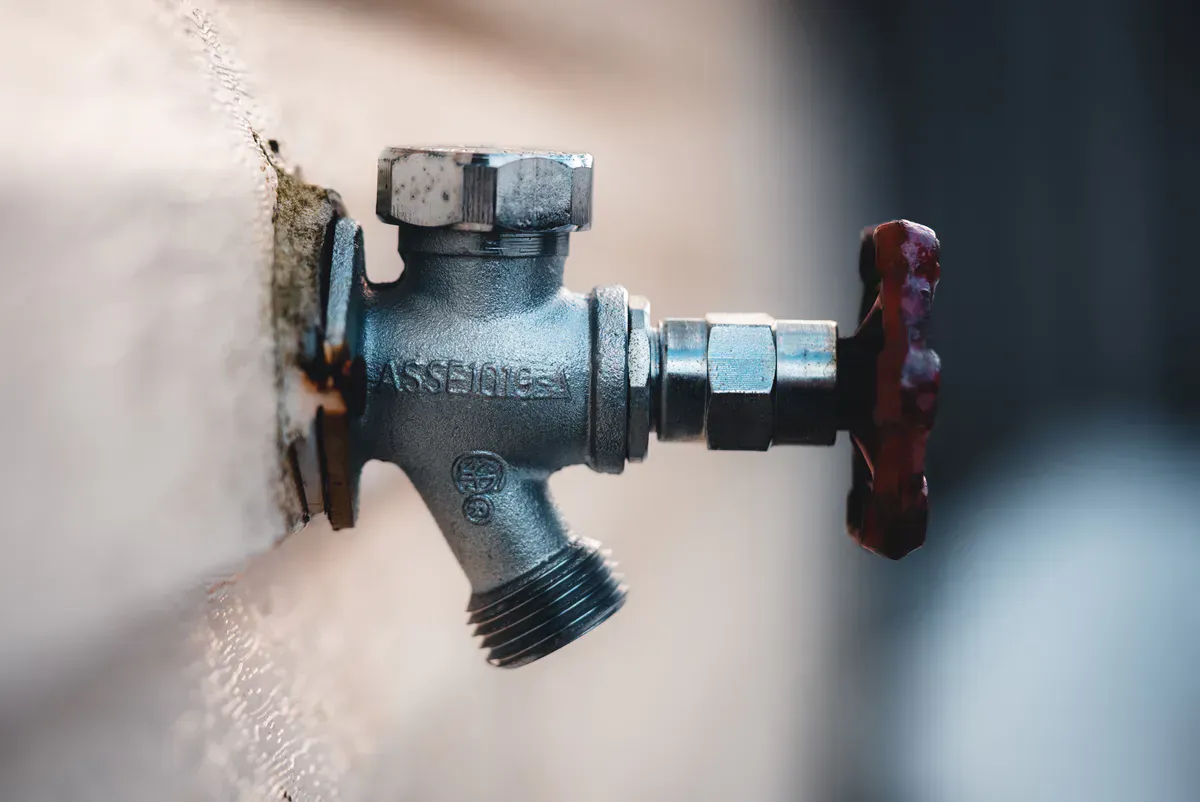
A cover has to fit the faucet and wallCheck the projection, attachment and surrounding surface. A cover does not replace the winterizing procedure required for your plumbing.
01
The picks
Foam dome, insulated pouch, padded sock, hard shell.
Best for: most houses, most spigots, the default answer
Budget
The FC1 is the foam dome you see on half the houses in any northern neighborhood, and it earned that. The
loop hooks the faucet body, the slide-lock cinches the dome tight to the wall, and the trapped air pocket
does the insulating. To be straight about the physics: the foam itself is a modest insulator. What it
does well is seal out wind and hold the heat that bleeds through the wall, and that combination keeps a
drained spigot above freezing in most weather. Seat it flush. A dome with a gap at the wall is a wind
scoop.
TypeRigid foam dome
AttachmentInternal hook loop with slide-lock cinch
FitsStandard hose bibs and most frost-free spigots
Pack size4 covers, enough for most homes plus a spare
LifespanSeveral seasons if stored indoors each spring
Skip it if: your spigot sits tight in a corner or behind a downspout. The rigid dome needs clearance to seat flush against the wall.
02
Artigarden Insulated Faucet Covers (4-Pack)
Best for: windy exposures and oddly shaped or oversized spigots
Mid-range
The pouch style is the answer when the rigid dome will not seat: spigots with vacuum breakers on top,
handles at odd angles, or fittings tucked against trim. The insulated bag swallows the whole assembly and
the drawstring cinches it to the wall. Pouches also win in wind. A gust that pops a poorly cinched dome
off its loop just flutters a drawstring bag. They cost a little more than foam and earn it on the spigots
foam fails.
TypeInsulated fabric pouch, drawstring cinch
AttachmentDrawstring seals tight against the wall
FitsAwkward shapes a rigid dome cannot seat over
Pack size4 covers
Wind behaviorCinches snug, less likely to blow off than foam
Skip it if: your spigots are standard and sheltered. The cheaper foam dome does the same job there.
03
Frost King FC3/12 Padded Faucet Cover
Best for: a middle option, foam insulation with a flexible shell
Budget
The FC3 splits the difference: more conforming than a rigid dome, more structured than a thin pouch. The
padding wraps the faucet and the flexible shell seals against siding that is not flat, like clapboard or
stone veneer, where a rigid dome leaves gaps at the edges. If your siding profile is the reason the foam
dome never sits flush, this is the fix.
Skip it if: you want the absolute cheapest per spigot. The FC1 foam multipack undercuts it.
04
Hard-Shell Outdoor Faucet Cover
Best for: spigots that take physical abuse, and covers that stay put all winter
Premium
The hard shell is the pick for spigots in traffic: next to the driveway, behind the trash cans, anywhere
a foam dome comes back cracked in March. A rigid plastic case over real insulation takes the impact, and
the mounting holds tighter through wind. Thermally it performs about like the foam dome. You are paying
for toughness, not extra warmth, and on an abused spigot that is worth paying for.
TypeRigid plastic shell with internal insulation
AttachmentHook loop, shell screws or cinches to the wall
This link opens Amazon search results. Match the exact model and size before buying.
Skip it if: your spigots are sheltered and undisturbed. Foam at a quarter of the price protects them just as well.
02
The cover is step three
Winterize in this order or the cover is decoration.
Step one
Disconnect every garden hose
A connected hose traps a column of water in the faucet body, and trapped water is what splits pipe.
This single step prevents most burst spigots, including on frost-free models.
Also: drain the hoses and store them inside so they survive too.
Step two
Shut the interior valve and drain
Many homes have a shutoff on the supply line feeding each outdoor faucet, usually in the basement or crawl space near where the pipe exits.
Close it, then open the outdoor spigot until it stops dripping. The pipe through the wall is now empty.
No interior valve? Skip to the cover, and rely on hose-off plus the cover holding house heat.
Step three
Install the cover
Hook the loop over the faucet body, not the handle, and cinch the cover flush to the wall.
Done before the first hard freeze, checked occasionally through winter, removed after the last spring frost.
03
How to choose
Count spigots, check clearance, buy once.
Walk the house
Count first
Most homes have two to four spigots, and people reliably forget the one behind the garage.
Multipacks exist because of that walk, and a spare in the basement covers the one that cracks.
Pick the type
Match the shape
Standard bib on flat siding: foam dome.
Vacuum breaker, odd angle, or textured siding: pouch or padded sock.
Spigot in a high-traffic spot: hard shell.
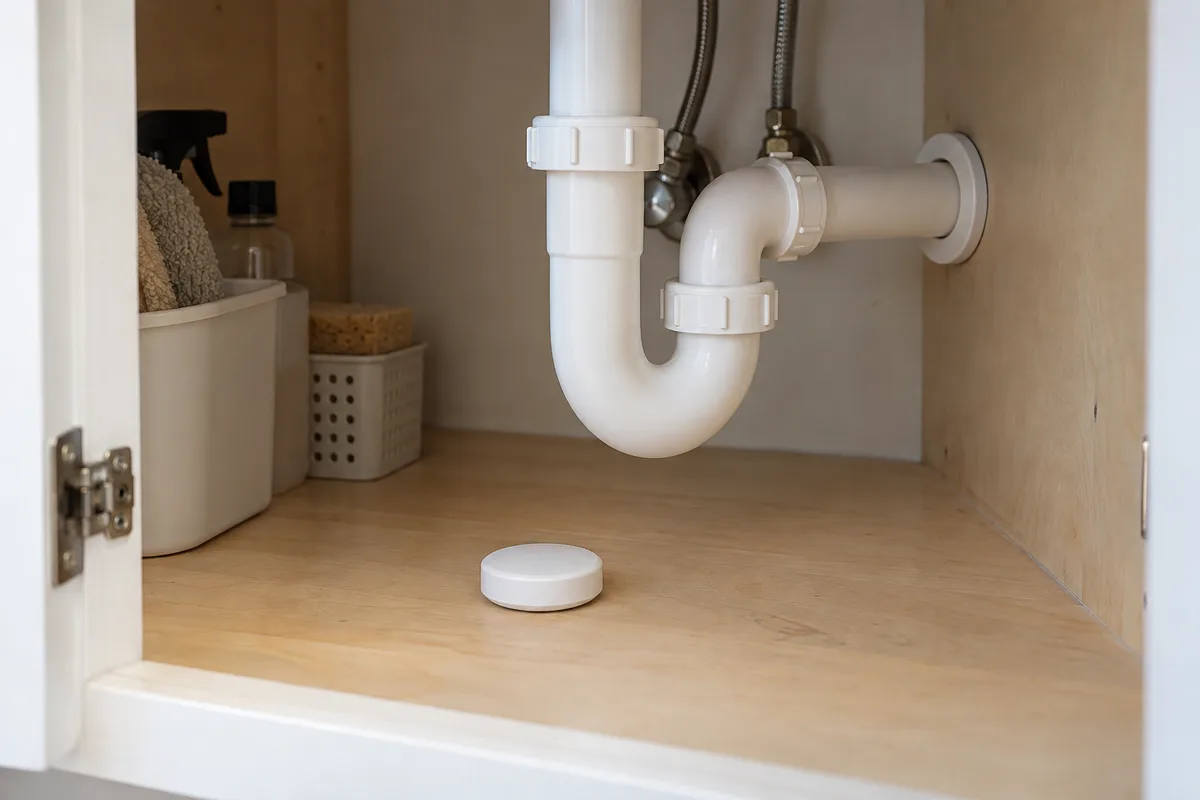
A leak detector is the backstop for a slow failure.
Spend where the water can hurt you. A spigot feeding from a finished basement ceiling
deserves the hard shell and the interior valve check.
While you are at it, a leak detector near
that supply line is the backstop that tells you about a slow failure before the ceiling does.
Water damage sits near the top of homeowner insurance claim categories year after year, and frozen-pipe
failures are a regular contributor. The deductible alone buys a lifetime supply of faucet covers.
As always, these picks come from spec comparison and owner-feedback patterns rather than a winter-long
staged freeze test. The method is documented at how we pick gear.
04
Faucet cover questions
Straight answers to the most-searched doubts.
Do outdoor faucet covers work?
Yes, when the faucet is winterized first. A cover traps a pocket of still air around the spigot and holds in the heat that leaks through the wall from inside the house. That keeps the faucet body above freezing through most cold snaps. What a cover cannot do is protect a faucet that still has a hose attached or a pipe full of standing water.
Are outdoor faucet covers necessary?
In any climate that sees hard freezes, they are cheap insurance on the most exposed plumbing the house has. A burst hose bib often splits inside the wall, where it leaks quietly until the ceiling stain appears. Covers cost a few dollars per spigot. The drywall repair does not.
How effective are outdoor faucet covers in extreme cold?
Honest answer: a foam shell adds only a modest layer of insulation on its own. Its real work is blocking wind and holding house heat near the spigot. In a deep, sustained freeze, the cover is the third line of defense behind disconnecting the hose and shutting the interior valve. Do all three and the combination holds up well.
When should faucet covers go on and come off?
On before the first hard freeze of fall, off after the last frost of spring. Putting them on early costs nothing. The common mistake is the other direction: hoses reconnected in March, then a late April freeze splits the pipe.
Do frost-free spigots need a cover?
They still benefit from one, and they absolutely still need the hose disconnected. A frost-free spigot shuts off the water deep inside the warm wall, but only if the barrel can drain. A connected hose traps water in the barrel and cancels the frost-free design entirely. That is the most common way frost-free faucets burst.
How do you keep a faucet cover from falling off?
Foam domes hold on with an internal loop that hooks the spigot and a slide-lock you cinch snug. If yours keeps dropping, the loop is around the handle instead of the faucet body, or the lock is not pulled tight. Pouch styles cinch with a drawstring and stay put better in wind. A cover on the ground in January is doing nothing, so glance at them when you walk past.