Home Fire Safety Gear That Has to Work
Detectors, extinguishers and a fire blanket: the gear that has to work the one time it matters.
What to check
Detectors expire. Smoke alarms age out at ten years, and CO sensors often sooner.
Read the guide: The Best Smoke and CO Detector CombosWhat to check
ABC for the garage, a kitchen-rated can for grease, and one in a closet is not a plan.
Read the guide: The Best Fire Extinguishers for Kitchen and GarageWhat to check
A fiberglass fire blanket smothers a small pan fire without the dry-chemical mess.
Read the guide: The Best Fire Blankets for the KitchenEvery fire safety guide
The detector roundup first, then extinguishers and the blanket.
-
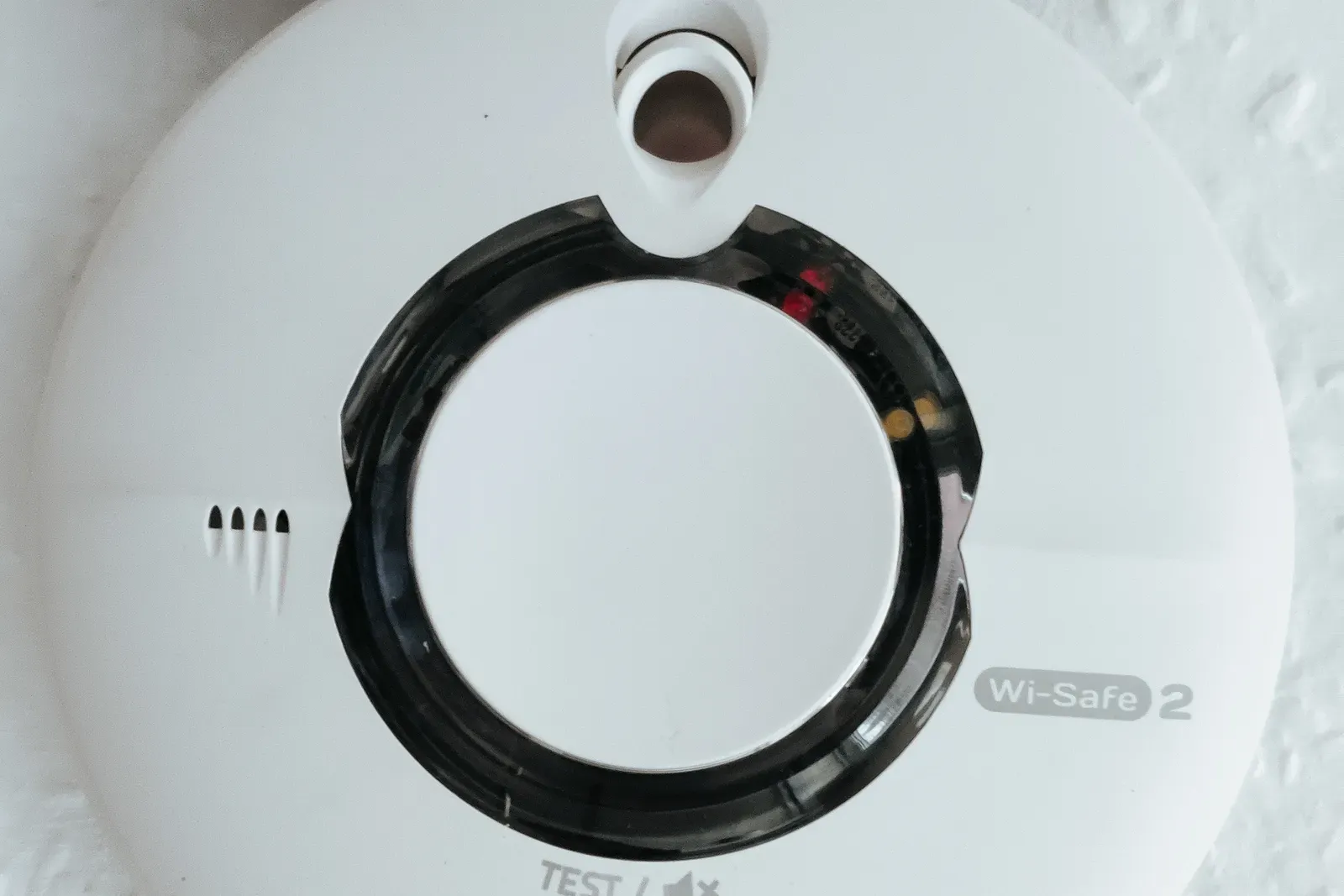 Roundup
Best smoke and CO detector combo
Combo alarms by power type: 10-year sealed, hardwired interconnect, and smart. Plus where each one goes.
See the picks -
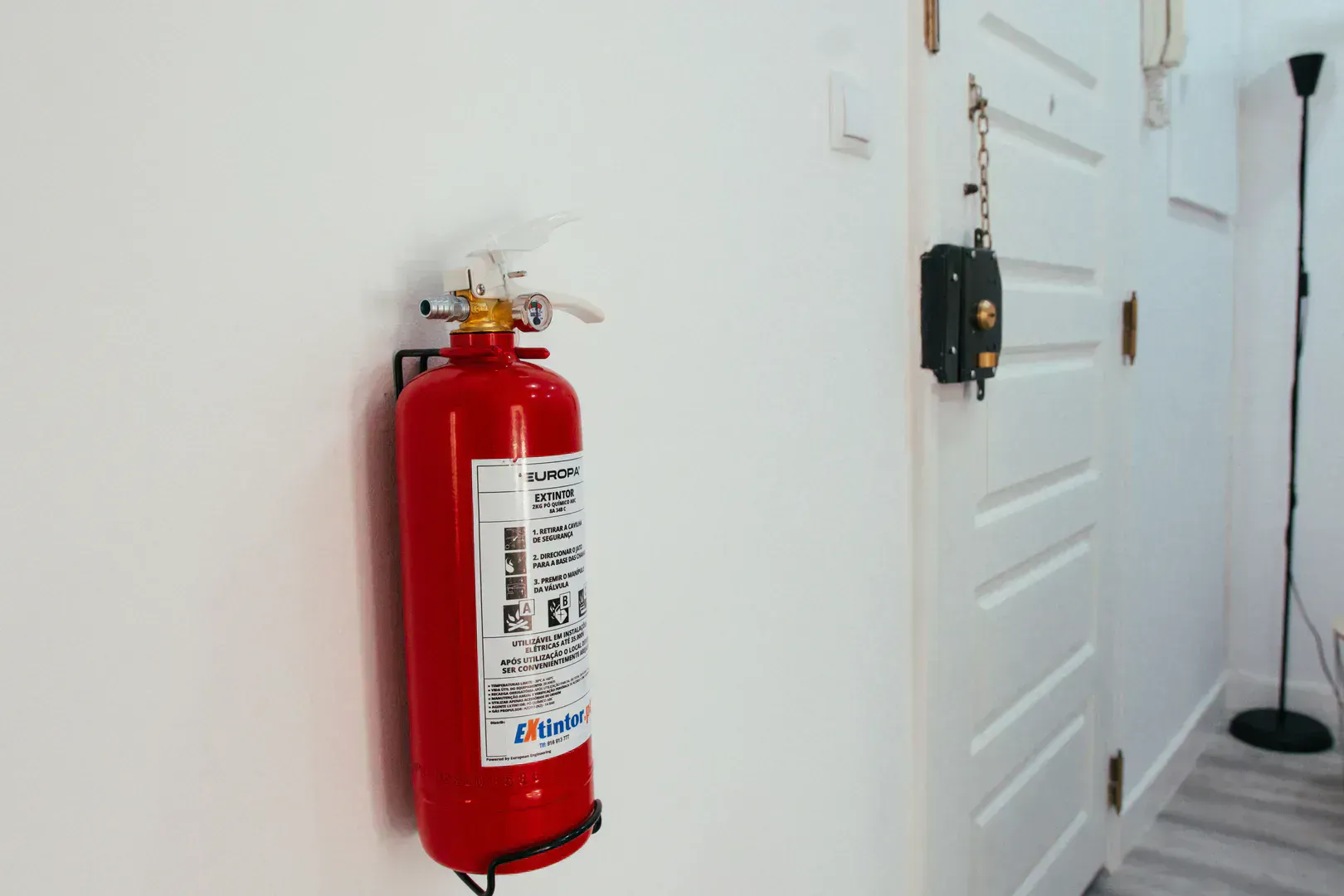 Roundup
Best fire extinguisher for kitchen and garage
ABC for the garage, an aerosol can for grease flare-ups, and the sizes that make sense in a house.
See the picks -
 Roundup
Best fire blankets for the kitchen
A fiberglass blanket smothers a pan fire with no aim and no dry-chemical mess. The multipacks worth hanging by the stove.
See the picks
Gear that sits idle for years, then has one job
Most of the gear on this site earns its keep a little at a time. Fire safety gear is different. A smoke alarm does nothing for years, then has one job on one night, and it has to work. Same for the extinguisher in the kitchen. This cluster covers the purchases that matter: detectors that hold both UL 217 and UL 2034 listings, extinguishers sized for the rooms where house fires actually start, and the fire blanket that handles a pan flare-up without the mess.
The cost of neglect here is not a bigger utility bill. The NFPA reports that a large share of home fire deaths happen in homes with no working smoke alarm, usually because a battery was dead or the unit was past its service life. Detectors expire. Smoke alarms age out at ten years, CO sensors often sooner. If you cannot remember buying yours, it is due.
Almost everything in this cluster is a DIY job. Battery and 10-year sealed units mount with two screws. Swapping a hardwired alarm onto an existing bracket is a short job. Switch off the breaker first and follow the alarm maker's instructions. The one task worth hiring out is running new interconnect wiring through finished ceilings, and wireless interconnect units have made even that mostly optional.
One more connection worth making. One of the most preventable fire risks in a house sits behind the dryer, where lint packs into the exhaust duct a little more every load. If your dryer runs long, read how often to clean a dryer vent before you do anything else. Detectors are the backstop. A clear vent is the prevention. Both jobs live on our seasonal home maintenance checklist, with a test-the-alarms reminder every spring and fall.
Fire safety checklist
0 of 6 done
- Guide: Test every smoke and CO detector
- Guide: Check detector dates and replace expired units
- Guide: Test them again when the clocks change
- Guide: Check extinguisher gauges: needle in the green
- Guide: Keep the kitchen extinguisher within reach
- Guide: Keep the dryer vent clear of lint
Fire safety questions, answered straight
The questions homeowners actually search.
Are smoke and carbon monoxide detectors the same?
No. A smoke alarm senses particles from a fire and carries a UL 217 listing. A CO alarm senses carbon monoxide gas and carries a UL 2034 listing. They are different sensors solving different problems, which is why combination units that hold both listings are the practical buy for most rooms.
How many smoke and CO detectors do I need?
At minimum: one smoke alarm inside every bedroom, one outside each sleeping area, and one on every level including the basement. CO coverage means an alarm on every level and outside sleeping areas, with extra attention near attached garages and fuel-burning appliances. A typical three-bedroom, two-story house lands at five to seven units.
Where are smoke and carbon monoxide detectors required?
Almost every state requires smoke alarms in dwellings, and most now require CO alarms in homes with fuel-burning appliances or attached garages. Codes are local, so check your state fire marshal's page. Rental units usually carry stricter rules, and many jurisdictions require sealed 10-year units when alarms get replaced.