Every load
Clean the lint screen as the appliance manual directs.
Do not use the dryer without its filter.
Heads up: this page has affiliate links. As an Amazon Associate, Vent & Valve earns from qualifying purchases at no extra cost to you. Full disclosure.

The short answer
Clean the lint screen with every load. For the exhaust duct, follow your dryer's maintenance instructions and arrange periodic inspection and cleaning. A change in drying performance needs attention before the next planned visit. There is no universal six-month rule for pets, family size or duct length.
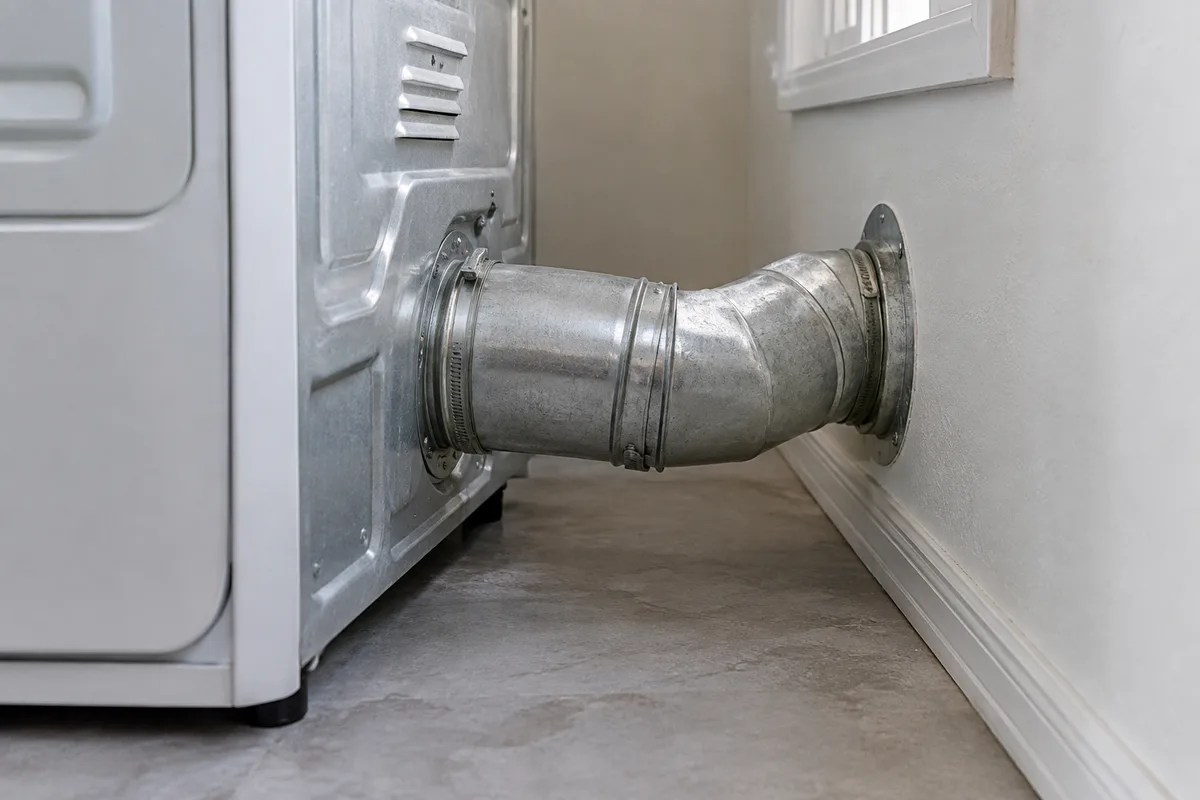
Separate each-load care, planned service and a new problem.
Clean the lint screen as the appliance manual directs.
Do not use the dryer without its filter.
Use the manufacturer's maintenance interval. Ask the service provider to adjust the plan to actual lint accumulation, use and access.
Investigate longer drying, unusual heat or an outlet that does not open.
Do not wait for two symptoms or a calendar date.
Find the manual and service records. Arrange an inspection when the duct condition or last cleaning is unknown.
Confirm the full exhaust is connected and unobstructed before use, following the appliance instructions.
The CPSC dryer safety alert (PDF) recommends periodic vent and duct cleaning. It does not assign a fixed interval from pet ownership or number of loads. Use a calendar reminder to review your plan, not as permission to ignore a new symptom.
One unresolved warning can be enough to stop using the dryer.
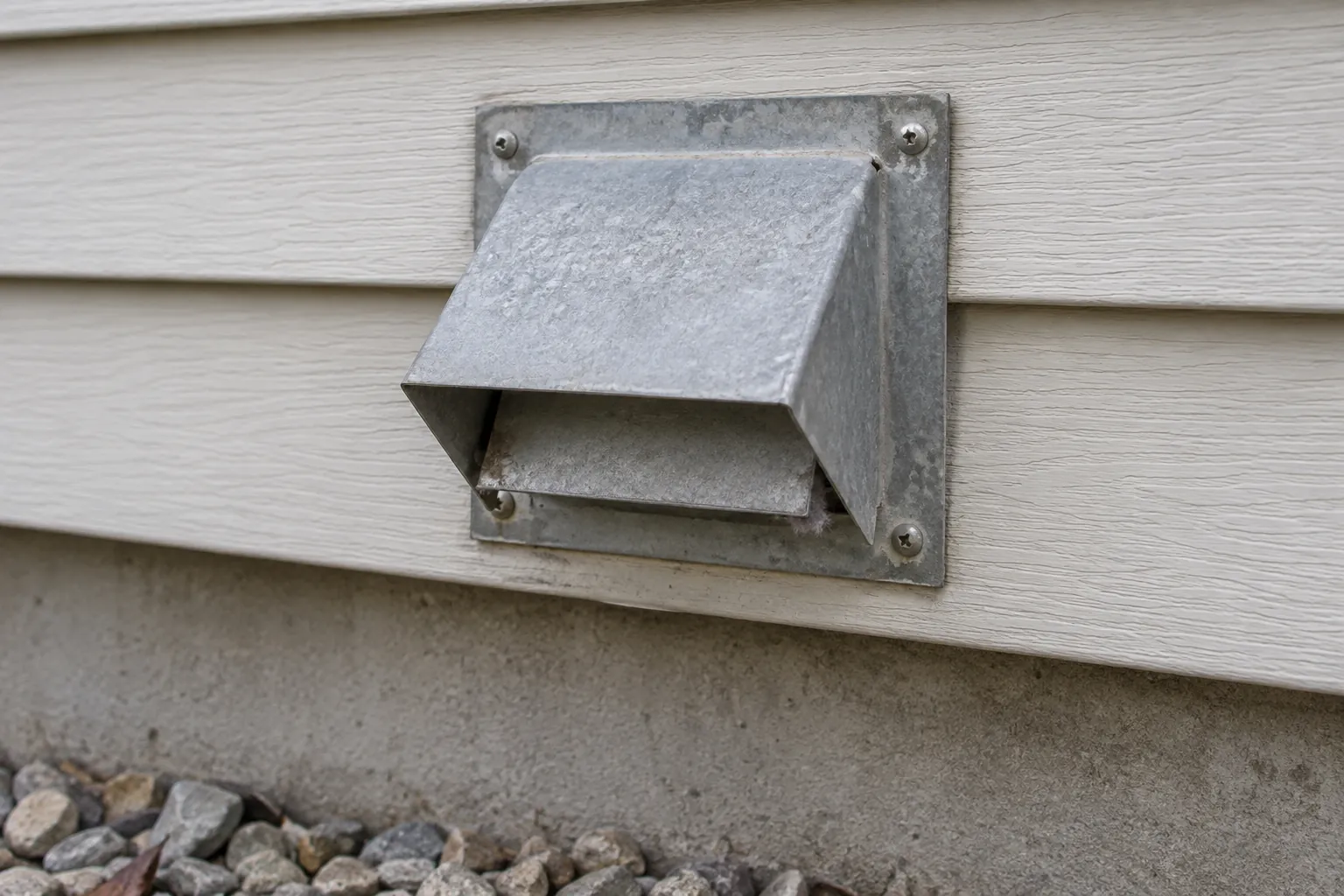
If the outside cover itself is damaged, use the outdoor-cover fit checklist to distinguish a hood-only face from a hood-and-pipe replacement. An intact cover may need maintenance instead of a new part.
This applies to electric and gas dryers.
Lint restricting the exhaust can allow heat to build up and contribute to a fire. An electric dryer is not exempt. Before venting a dryer indoors, read about indoor dryer vent lint trap safety.
The U.S. Fire Administration's dryer guidance (PDF) recommends:
The job includes protecting and reconnecting the exhaust path.
A stuck brush is a reason to stop, not add force.
CPSC assigns cleaning inside the dryer chassis to qualified service personnel.

Identify the dryer, connector, fixed duct and outdoor termination. Read the dryer and tool instructions, including the permitted drive direction and connection method. Kits differ; a drill, clockwise rotation and a particular rod length are not a universal procedure.
The cleaning-kit comparison covers documented reach and rod connections. A vacuum lint attachment has a narrower job and cannot clean the whole exhaust path.
Timing, responsibility and the limits of a DIY plan.
Yes. Cleaning the lint screen does not replace maintaining the exhaust duct. CPSC recommends cleaning the screen with each load and the vent and duct periodically. Follow the appliance manual and investigate changes in drying performance before the next scheduled visit.
Check access, duct condition, the exact tool instructions and your ability to reconnect the system before deciding. A short wall outlet alone does not establish safe access. Use qualified help for roof work, hidden damage, a stuck obstruction or moving a heavy, stacked or gas-connected appliance.
No. HVAC duct cleaning concerns the heating and cooling air-distribution system. Dryer vent cleaning concerns the appliance's exhaust path to the outdoor termination. Ask a service provider to specify what is included; cleaning only the lint screen is not a full exhaust-duct service.
Responsibility depends on the lease and applicable local rules. Ask the property manager before moving an appliance or working on shared ductwork. Report a burning smell, damaged connection or change in drying performance promptly; an unresolved safety issue should not wait for a responsibility dispute.
There is no reliable universal time. Safe access, duct layout, the condition of connections and any obstruction determine the work. Ask the service provider what its estimate includes. Do not force a brush or skip reconnection checks to meet a time target.
Some maintenance may be within your ability when the dryer and tool instructions permit it and the full job is safely accessible. Read the instructions before buying a kit. If access is uncertain, a gas connection could be strained or a brush becomes stuck, stop and arrange qualified help. Never operate a dryer with disconnected or obstructed exhaust.
Compare the gear or work through the next step.
 Roundup Outdoor dryer vent covers: choose by fit first
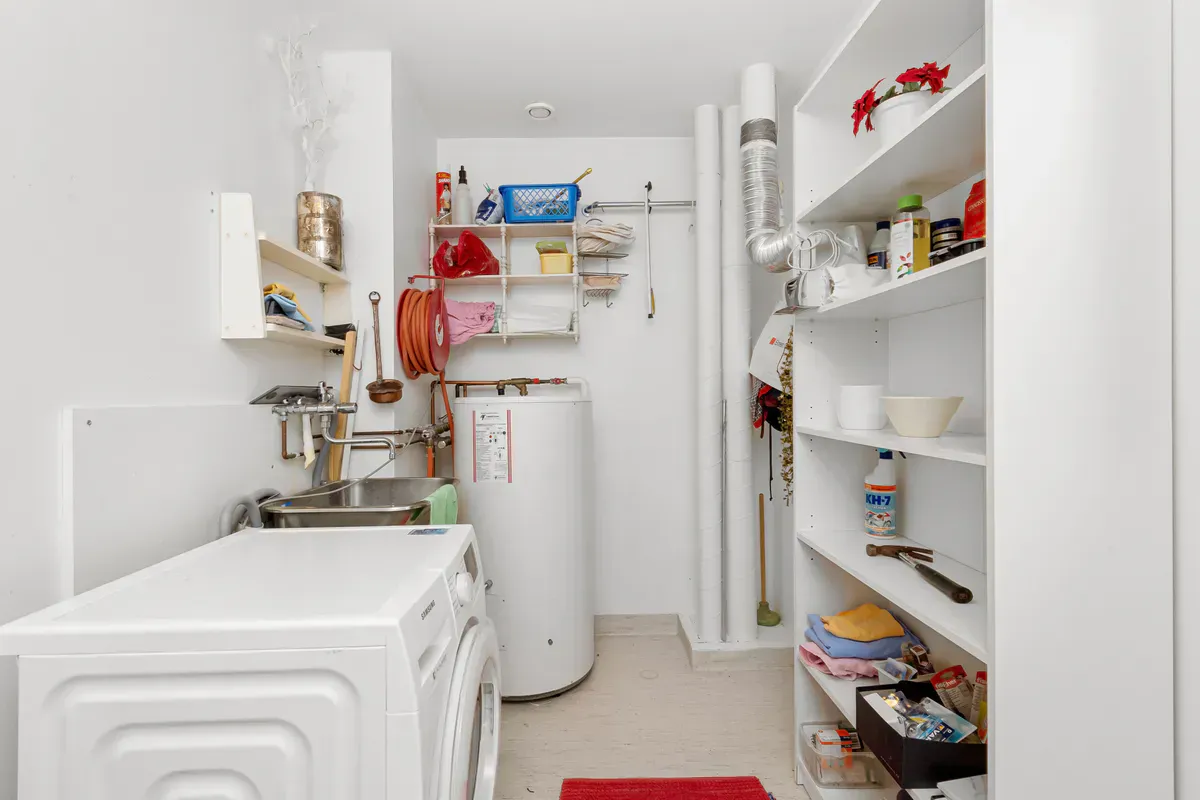 Compare Rigid Metal vs Flexible Dryer Vent HoseRoundup The Best Dryer Vent Cleaning Kits for Long Vents
Put it on the seasonal maintenance checklist or browse all guides.