Dryer Takes Two Cycles to Dry: Causes and the Tools That Fix It
- SystemDryer vents
- Job typeFix
- BySam Whitlock
- UpdatedJune 2026
Heads up: this page has affiliate links. As an Amazon Associate, Vent & Valve earns from qualifying purchases at no extra cost to you. Full disclosure.
Here is the short version. A dryer that needs two cycles is almost never failing to make heat. It is failing to get rid of moisture. Drying is an airflow process: the machine heats air, the air picks up water, and the vent carries that wet air outside. Choke the vent and the same humid air keeps recirculating past your clothes no matter how hot the element gets. So before you price a repair visit, check the air path. Nine times out of ten the fix costs less than the service call and takes an hour.
The causes, ranked by likelihood
Work the list top down. It is ordered for a reason.
- Clogged exhaust duct
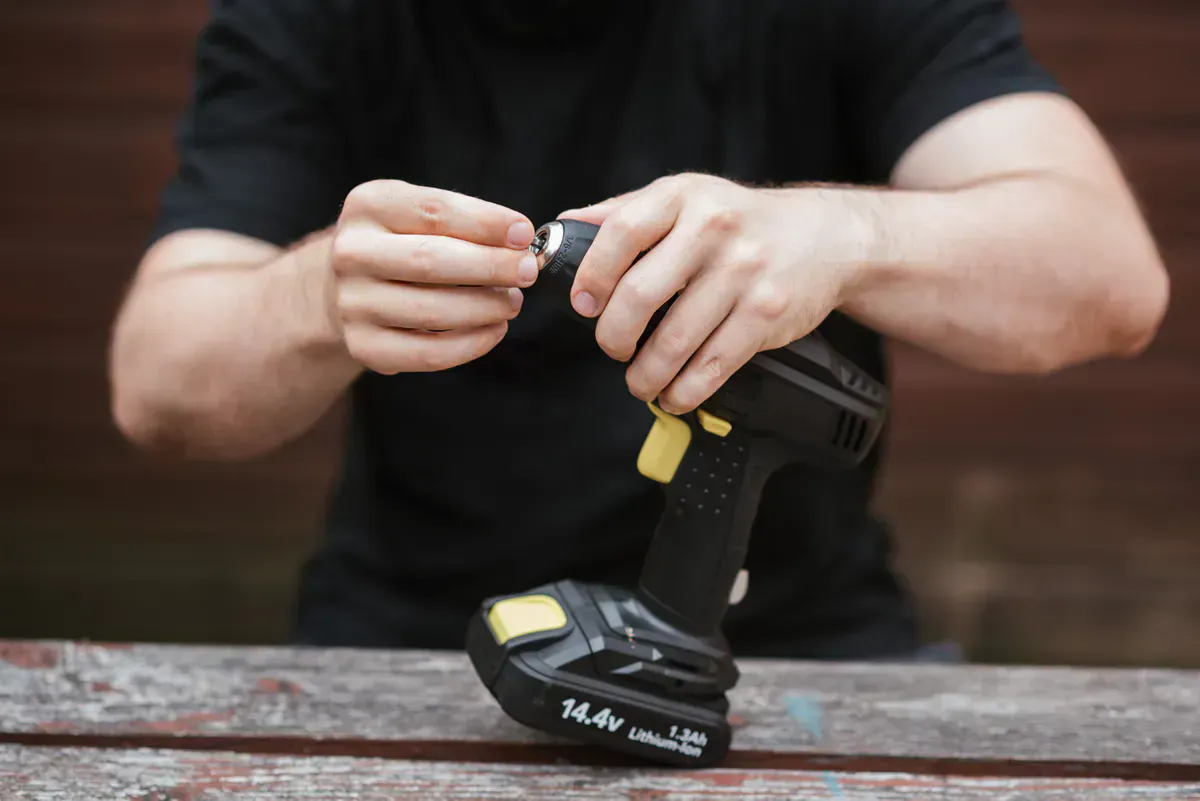
The number one cause by a wide margin. Lint slips past the screen on every load and packs into the 4-inch duct between the dryer and the outside hood, especially at elbows and the exterior flap. The machine still heats fine, but wet air has nowhere to go. The fix is a drill-powered cleaning kit run the full length of the duct.
- Crushed or kinked transition hose
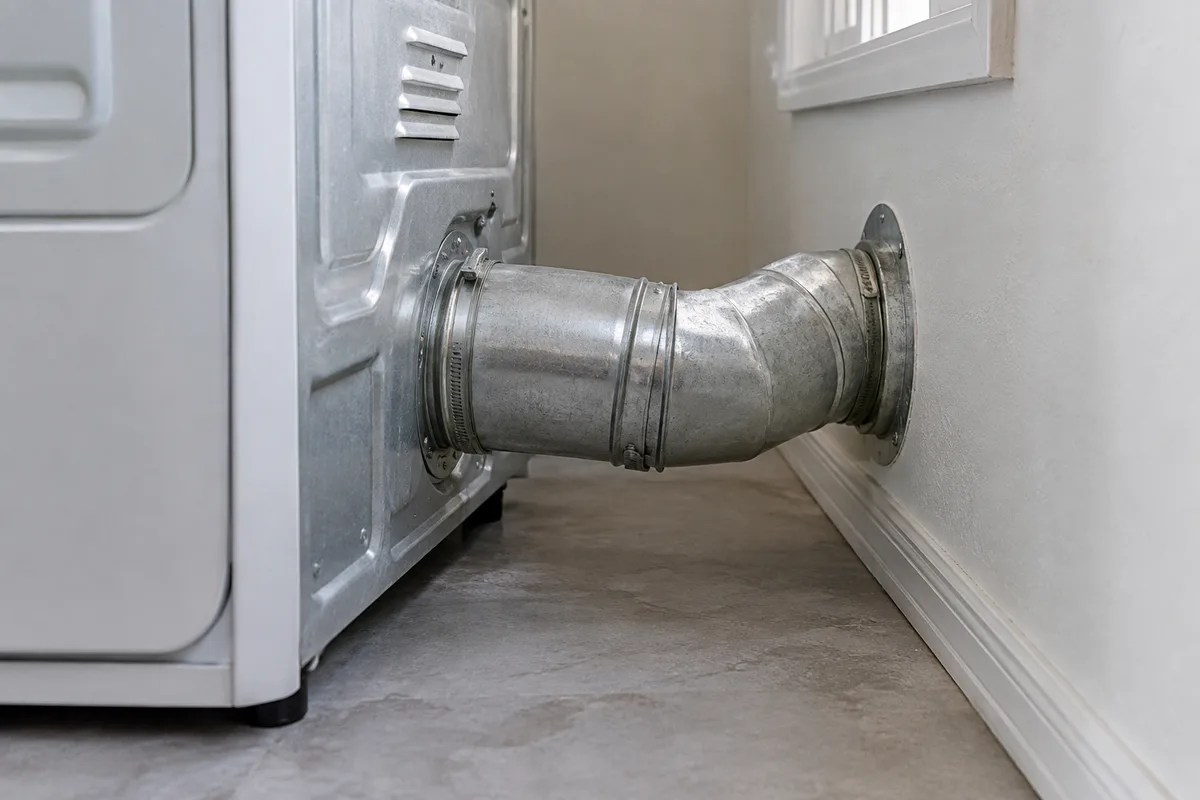
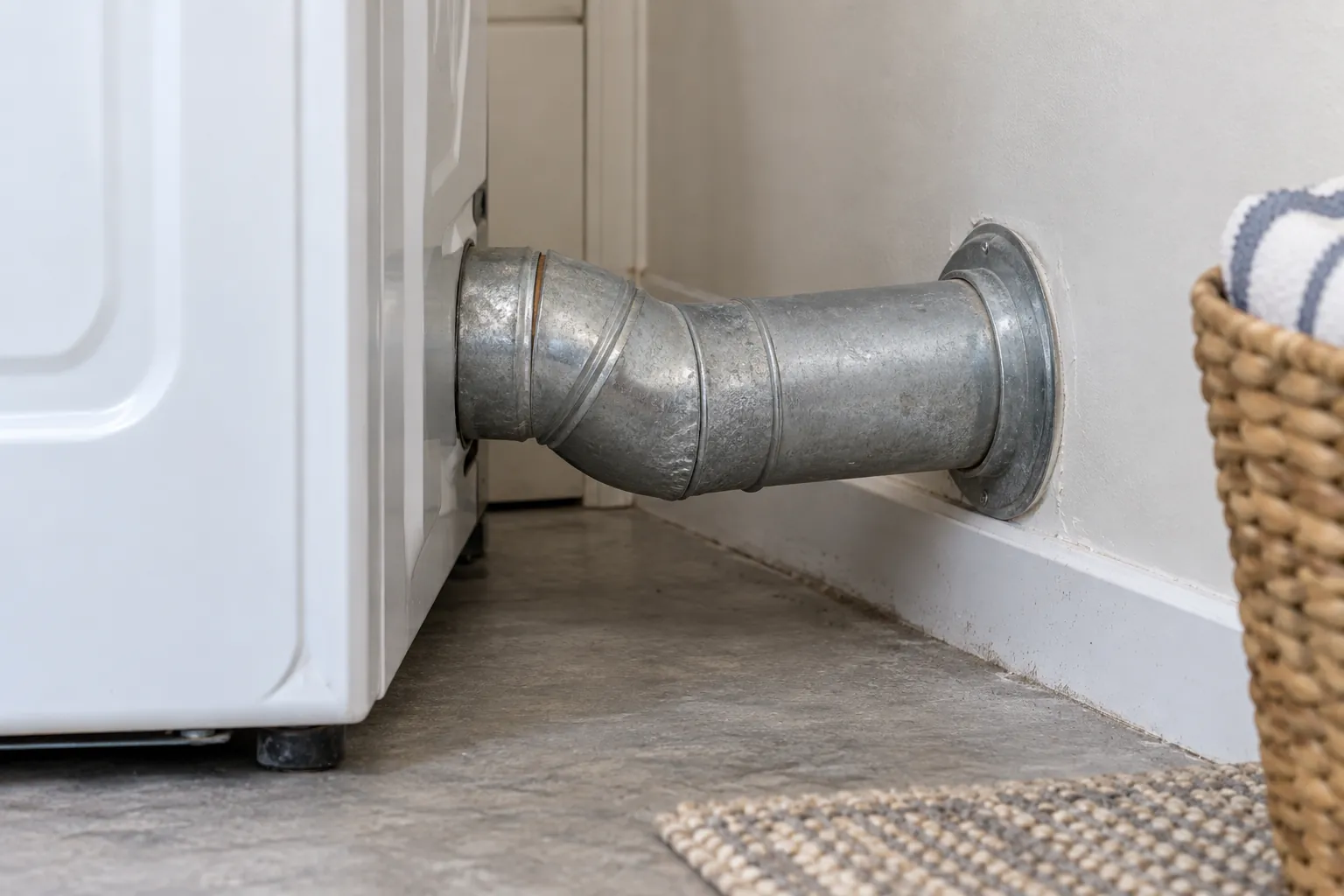
The flexible hose behind the dryer gets flattened when the machine is pushed against the wall. A foil hose crushed to half its diameter chokes airflow just as effectively as a lint clog. Pull the dryer out and look. If the hose is pinched, kinked, or full of lint, replace it with semi-rigid aluminum like Deflecto's 4-inch semi-rigid duct, which holds its shape against the wall.
- A run that is too long for the blower
Every foot of duct and every elbow adds resistance, and most dryers are rated for about 35 equivalent feet, with each 90-degree elbow counting as five. A marginal run dries slowly even when clean. You cannot shorten the house, but you can keep a long run spotless and swap tight elbows for smoother fittings.
- Lint screen film
Dryer sheets leave an invisible coating that blinds the screen mesh. Water beading on the screen instead of draining through is the giveaway. Scrub it with warm water, dish soap, and a soft brush, then let it dry fully. While the screen is out, vacuum the trap housing below it with a skinny lint attachment. That slot collects years of packed lint right next to the heating element.
- Heating element or thermostat, last
Real heat failures exist, but they usually announce themselves: no warmth at all, or a burning smell, or a breaker that trips. Suspect the element only after the vent path checks out clean. Replacing parts to fix an airflow problem is the most common wasted repair on these machines.
Diagnose it in ten minutes
Two tests, no tools, a clear answer.
- The flutter test
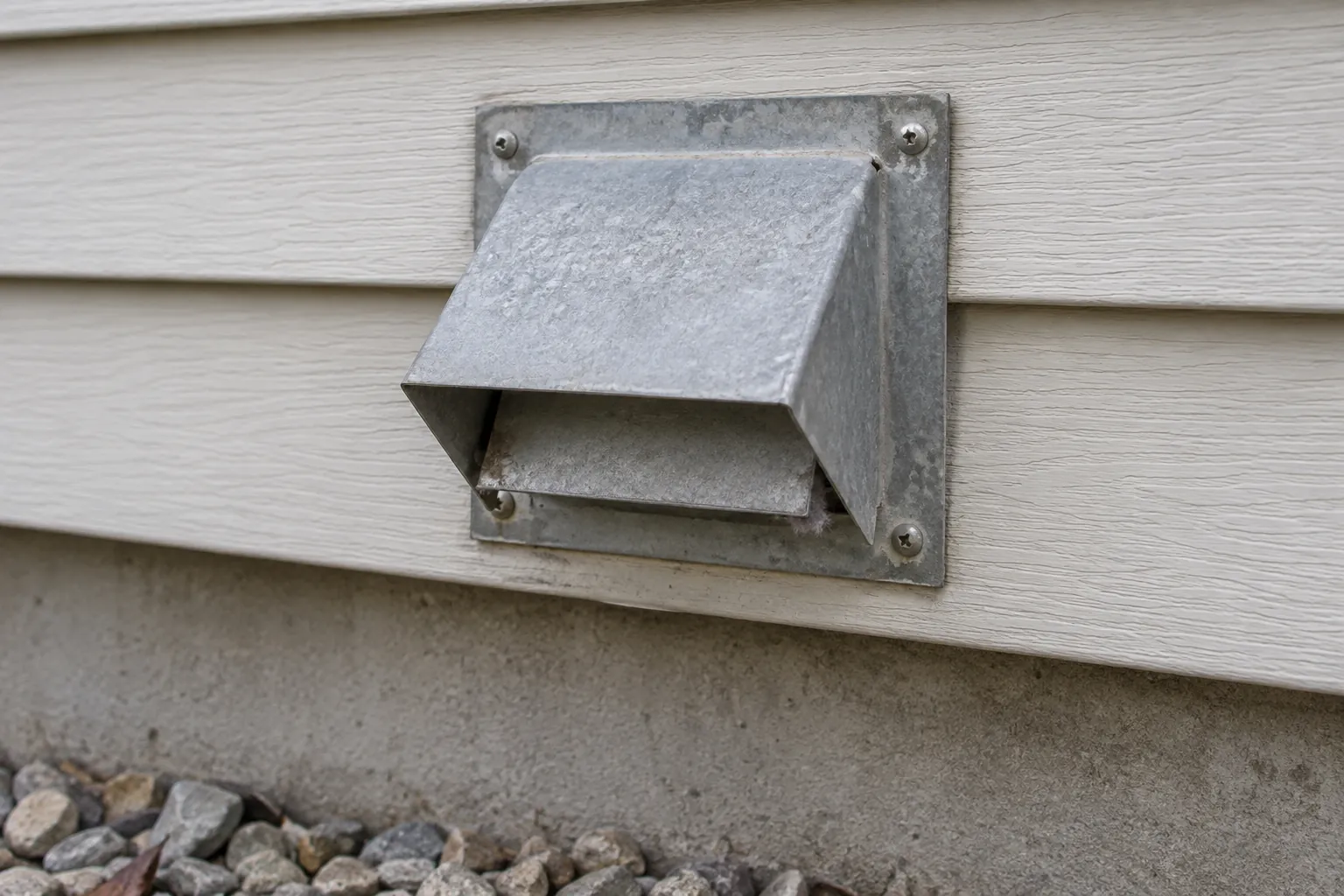
Start the dryer on a heat cycle and walk outside to the exhaust hood. A clear vent blows hard enough to hold the flap fully open, and you can feel the stream a foot away. A flap that flutters weakly or barely opens means the run is restricted. No airflow at all means a serious blockage or a disconnected duct in the wall.
- The hot-clothes check
Open the door mid-cycle. Clothes that are hot and damp after 40 minutes mean heat is fine and moisture is not leaving: airflow problem. Clothes that are cold and damp mean the machine is not heating: element, thermostat, or a tripped breaker on one leg of a 240-volt circuit. This one test separates the two repair paths cleanly.
- Look behind the machine
Pull the dryer out a foot and inspect the transition hose. Crushed, kinked, taped-up, or sagging with lint all count as failures. While you are back there, confirm the hose is actually attached at both ends. A hose that slipped off the wall collar dumps hot lint into the room and reads as a slow dryer with a musty laundry smell.
The fix, in order
One afternoon, start at the wall and work outward.
Clean the duct first. Disconnect the transition hose, run the rotary brush from the dryer end to the exterior hood, and keep a vacuum at the opening to catch what comes loose. Clear the exterior flap and its screen if some previous owner installed one. Then deal with the transition hose: vacuum it out if it is in good shape, replace it if it is foil and crushed. Finish inside with the trap housing wand, wash the screen, and run a towel load as a before and after comparison. Most people get their second cycle back immediately.
Then keep it that way. Lint comes back on a schedule, and our guide on how often to clean a dryer vent maps that schedule to your household. Once a year is the floor for most homes.
When to call a pro
A few versions of this problem are not DIY.
Call an appliance tech when the airflow checks out strong and the machine still will not dry, because element and control diagnosis on a 240-volt appliance is their lane. Call a vent specialist when the duct exits through the roof, when the flutter test shows nothing and your brush hits a wall of resistance, or when the run is inaccessible inside a finished ceiling. Gas dryer owners get one extra rule: any burning smell or suspicion about the burner means shut it down and make the call. The dryer vents hub covers who does what if you are unsure which trade to ring.
Slow dryer questions
What people actually ask about two-cycle drying.
Why does my dryer take so long to dry?
Restricted airflow, in most cases. A dryer works by pushing hot, wet air out of the house, and a lint-clogged vent or a crushed hose behind the machine chokes that path. Heating problems are possible but far less common, and they usually come with other symptoms like no heat at all.
Why does my dryer take so long to dry towels?
Towels hold several times their weight in water, so they expose a weak vent before anything else does. If T-shirts dry fine but towels need two cycles, your dryer is moving some air but not enough. That points at a partial clog or a kinked transition hose rather than a dead heating element.
My dryer takes too long to dry. What do I do first?
Run the flutter test. Start a heat cycle, go outside, and look at the exhaust flap. Strong, steady airflow that holds the flap open means the vent is probably fine. A flap that barely moves means the duct needs cleaning, and that is a one-hour job with a drill-powered kit.
How long should a dryer take to dry a load?
A healthy dryer with a clear vent dries a mixed load in 40 to 60 minutes and a heavy towel load in about 60 to 75. If normal loads regularly pass the 90-minute mark or need a second cycle, something in the airflow path is wrong.