Past the screen
Where loose lint can remain
- The accessible screen housing.
- Behind the machine.
- The transition duct.
Heads up: this page has affiliate links. As an Amazon Associate, Vent & Valve earns from qualifying purchases at no extra cost to you. Full disclosure.
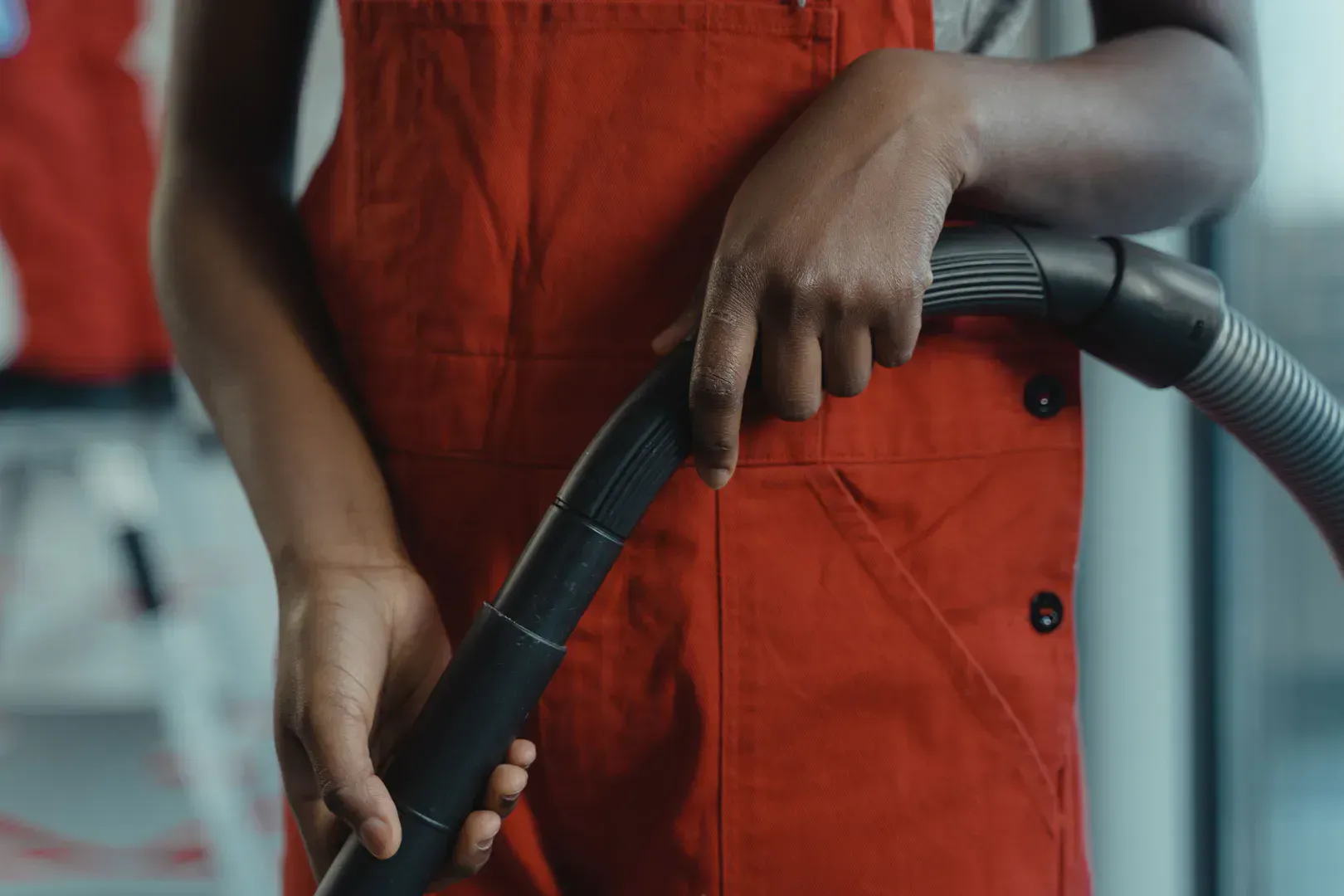
Past the screen
Routine care
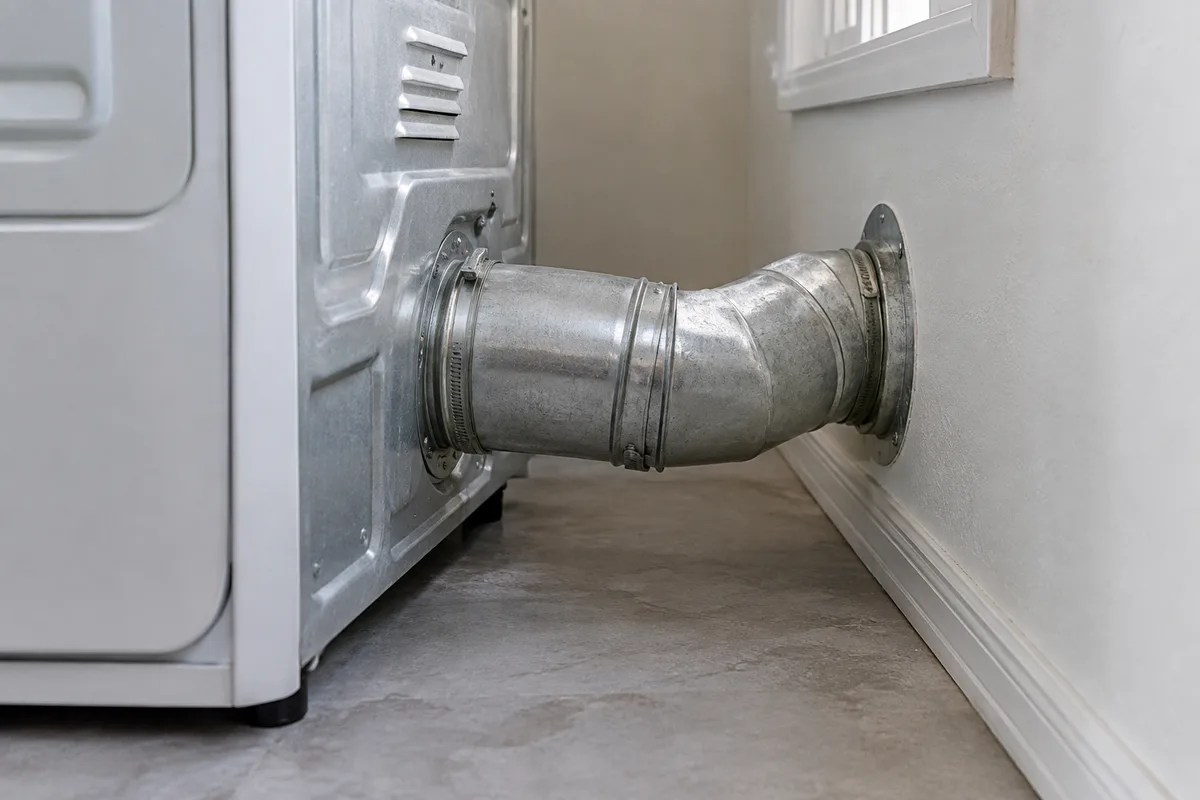
Four available attachments, ranked by what they reach and what they fit.
Top picks at a glance
Best for: most homes with a standard household vacuum
The current kit combines a narrow vacuum hose with a separate lint-slot brush. That pairing covers loose material a vacuum can collect and lint the brush can reach without forcing either tool past a bend or appliance component.
It earns the top spot for a simple two-tool bundle. Adapter fit still varies by vacuum, so measure the port and compare it with the current listing before ordering.
Skip it if: you want to see the lint as you pull it. The opaque hose hides the clog, so you work by feel.
Best for: deep lint slots and stacked units
The current Sealegend kit also combines a narrow hose and a separate brush. Its value depends on the hose length and included adapter matching the visible housing and vacuum port you actually have, including on a stacked unit where access may be limited.
Choose it over the shorter kits only when its current adapter dimensions match your vacuum and the extra hose length is useful. A longer hose is not a license to force the tip past a bend.
Skip it if: your lint slot is shallow and straight. The extra reach is wasted and the budget pick does the same job.
Best for: odd-size vacuum ports the other kits will not grip
Functionally this overlaps the first two picks. Keep it in consideration only when the current listing's adapter dimensions match a vacuum port that the other kits do not.
Measure before ordering and do not improvise a loose connection with tape while the vacuum is running. The attachment still belongs only in an accessible opening where it moves freely.
Skip it if: the Holikme already fits your vacuum. These two overlap heavily, so fit should break the tie.
Best for: a mapped, accessible duct run that matches the brush kit instructions
This combines a vacuum attachment with a rod-and-brush kit listed at 40 feet. That number is the sum of the rods, not proof the kit can safely traverse every 40-foot installation.
If your vent run is long or has hidden elbows, compare it against the dedicated kits in our long-vent cleaning kit roundup before committing. Stop if a rod binds, a connector loosens, or the brush cannot be retrieved.
Skip it if: the run has unknown joints, sharp turns, a roof exit, damage, or any section you cannot inspect.
Port size first, reach second, everything else third.
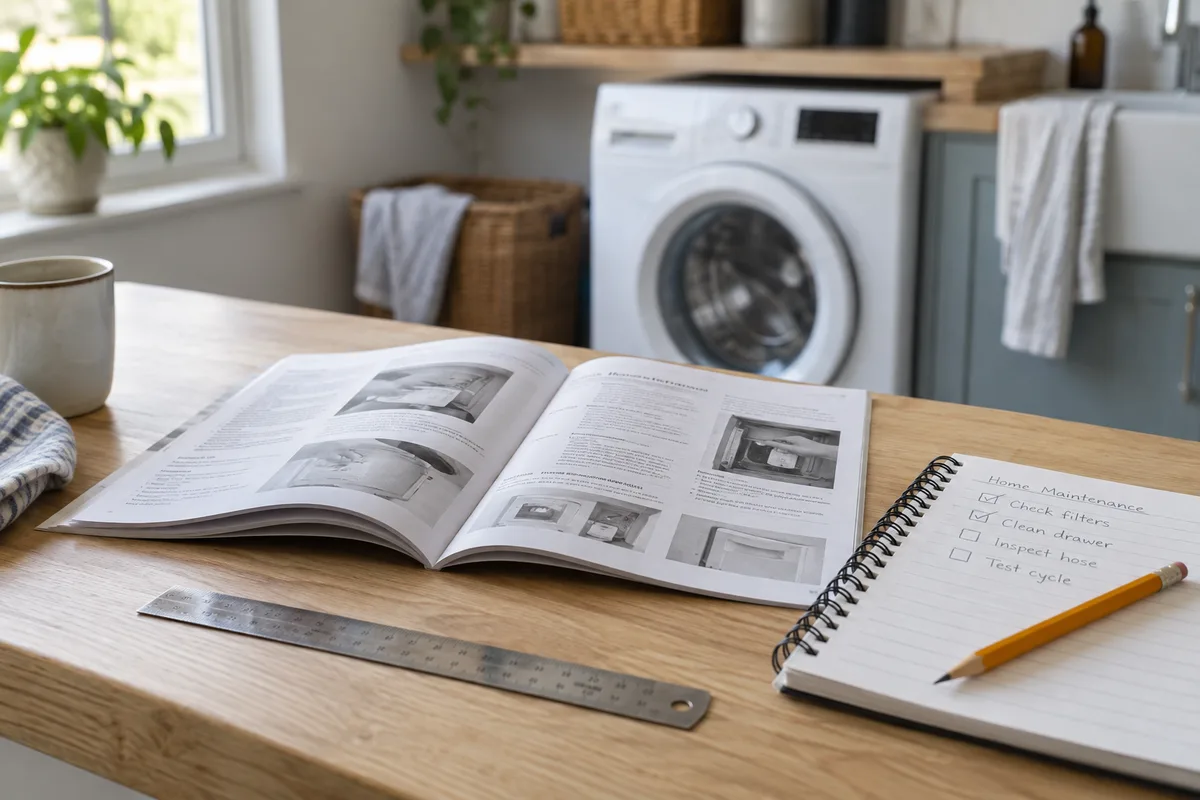
Check your port diameter before anything else. Vacuum ports and included adapters vary.
Do not rely on a generic "universal" label.
Main use
Do not force it deeper or remove cabinet panels for a vacuum attachment.
The brush
Limits
If the outside hood does not open normally while the dryer runs, stop and inspect the entire exhaust path instead of pushing a longer tool into the slot.
Current listings, safety guidance, compatibility, and limitations.
We rank by stated adapter range, useful reach, construction, and safe cleaning scope. We did not open dryer cabinets or run a product lab. Owner reports are anecdotal and help identify questions, not prove a specification. The full method is on our how we pick gear page.
Straight answers to what people actually search.
Partly. With the dryer unplugged, a skinny attachment can remove loose lint from the accessible lint-screen housing and around a disconnected transition duct. It cannot verify or clear a long exhaust run, and it should not be pushed past parts you cannot see. A persistent airflow problem needs a full duct inspection and cleaning method suited to that run.
A shop vacuum can collect loose lint from an accessible, disconnected transition duct or exterior hood. Unplug the dryer first, keep tools away from wiring and moving parts, and confirm every connection is restored before use. Adapter sizes vary, so measure the vacuum port instead of assuming a kit will fit.
They solve different limited jobs. A vacuum attachment collects loose lint from accessible openings. A compatible brush system can agitate some duct runs, but turns, joints, roof exits, damaged ducts, and inaccessible sections can make a DIY kit the wrong tool. No attachment proves the whole system is clear.
Choose by the location of the lint. A vacuum hose handles loose lint in the accessible lint-screen housing. A rod kit is for a compatible exhaust run after you map its length, turns, joints, and termination. Long drying time has several possible causes, so diagnose airflow before choosing either tool.
Unplug the dryer and follow its manual. Remove the lint screen and use only a tool that moves freely in the visible housing; do not force it past a bend or component. Brush kits differ, so follow that kit's direction and drill instructions exactly. Stop if a rod binds or a joint loosens.
Compare the gear or work through the next step.
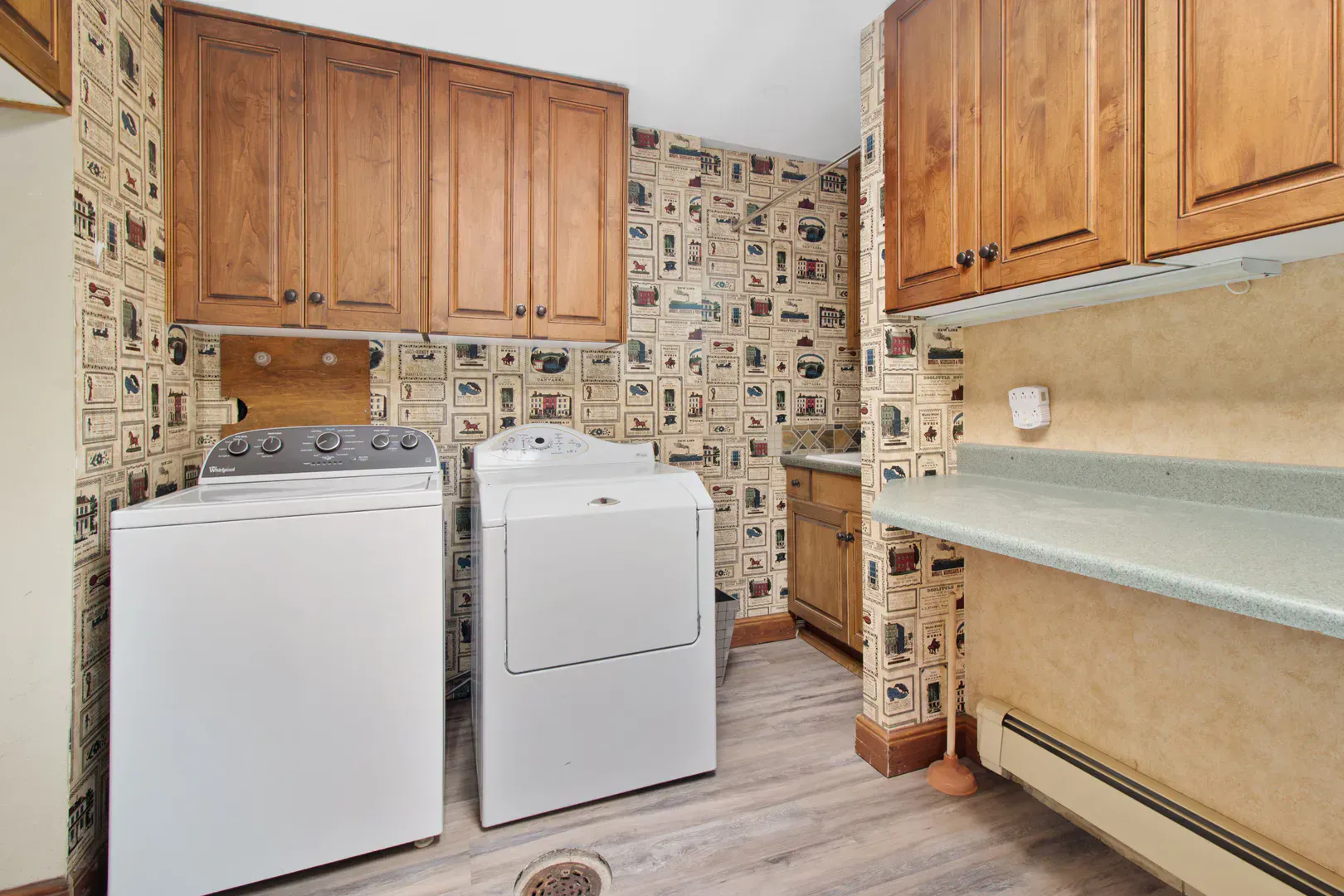 Explainer Are Indoor Dryer Vent Lint Traps Safe or Worth It?
 Safety & troubleshooting Dryer smells like burning: what to do first
 Fix Dryer Takes Two Cycles to Dry: Causes and the Tools That Fix It
Put it on the seasonal maintenance checklist or browse all guides.