The Best Fire Extinguishers for Kitchen and Garage
SystemFire safety
Job typeRoundup
BySam Whitlock
UpdatedJune 2026
Heads up: this page has affiliate links. As an Amazon Associate, Vent & Valve earns from qualifying
purchases at no extra cost to you. Full disclosure.
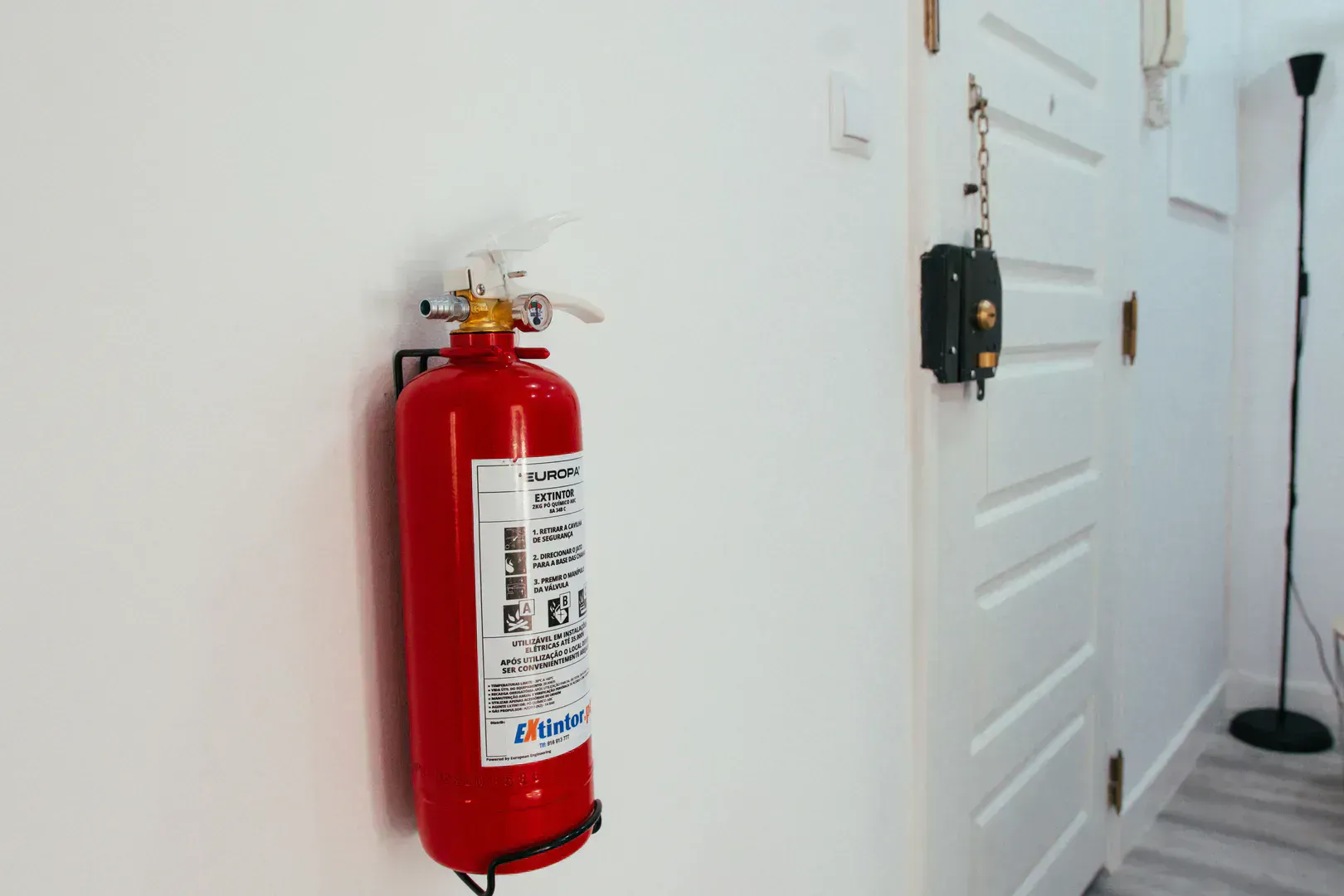
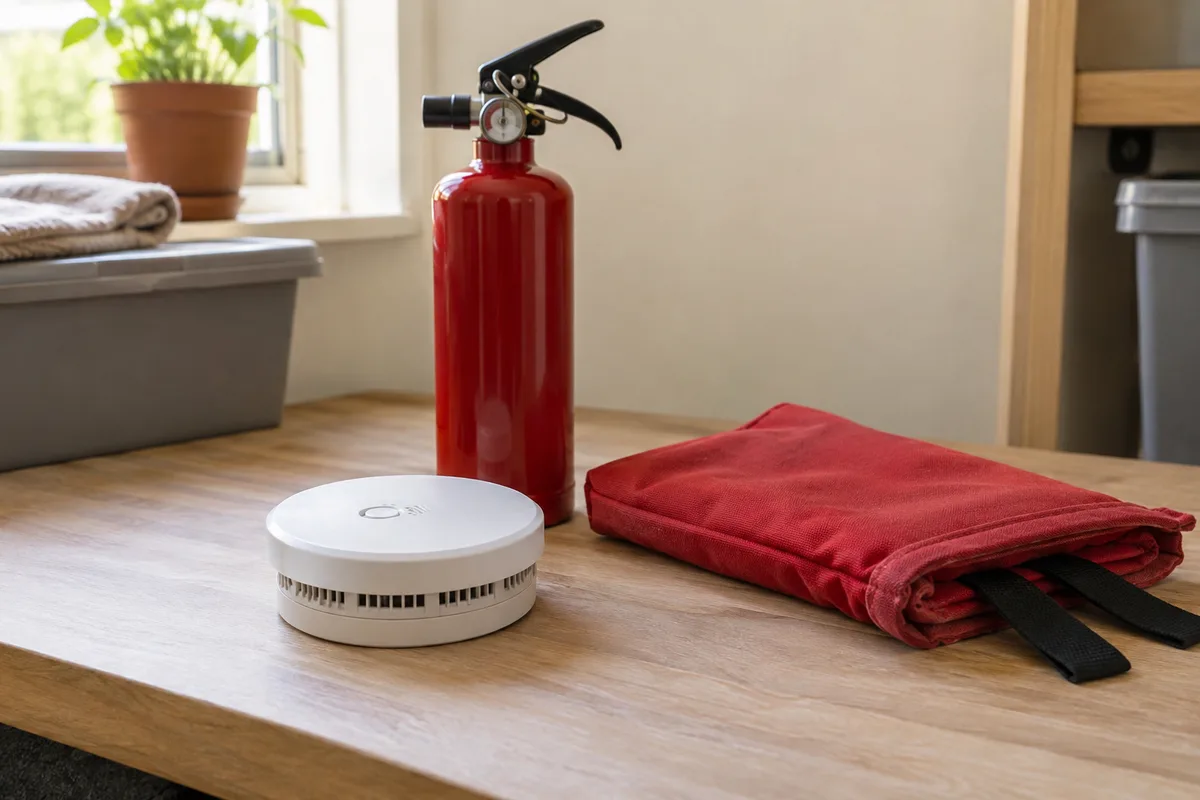
Read the rating on the exact unitExtinguisher class, rating, size and maintenance requirements matter. A product photo alone cannot establish suitability for a particular fire.
01
The picks
Cover the kitchen and garage first, then the floors between.
Best for: putting a real ABC extinguisher on every floor without overthinking it
Budget
This is the floor-coverage answer. Two genuine UL-rated ABC units for less than most single
premium extinguishers, each light enough at 2.5 pounds that anyone in the house can aim and
hold it one-handed. One goes outside the kitchen, one goes upstairs or by the laundry,
and suddenly the whole house is inside a ten-second walk of suppression.
The 1-A rating is the entry tier for ordinary combustibles, so treat these as first-response
tools for small fires, not garage artillery. For the workshop, step up to the 5-pound picks
below and let these handle the living spaces.
Skip it if: you want a unit you can recharge after use. These are one-shot extinguishers you replace once emptied.
02
First Alert EZ Fire Spray (AF400)
Best for: the kitchen counter and anyone intimidated by a pin-and-squeeze extinguisher
Budget
The EZ Fire Spray works like a can of cooking spray: no pin, no lever, no technique. That
matters because the most likely person to face a pan fire is whoever is standing at the
stove, and panic plus an unfamiliar pull-pin costs seconds. It stores in a cabinet or on
the counter, and the residue wipes off surfaces instead of coating the kitchen in powder.
Understand its lane. It is a flare-up tool for the pan-sized fire you catch immediately.
It carries no A-B-C numeric rating and has a fraction of the punch of a dry chemical unit.
Keep it within arm's reach of the stove and keep a rated extinguisher by the kitchen door.
Skip it if: it is your only device. An aerosol can supplements a rated extinguisher; it does not replace one.
03
First Alert HOME1 Rechargeable
Best for: the kitchen-door station that gets serviced instead of thrown away
Mid-range
The HOME1 is the same compact 2.5-pound format as the Kidde with two upgrades that earn the
difference: an all-metal valve assembly instead of plastic, and a rechargeable cylinder. If
you ever use it, even for two seconds, an extinguisher needs recharging or replacing. With
disposables that means buying new. With this one, a fire equipment shop refills it for less.
Metal valves also survive the slow decades on a wall bracket better than plastic ones,
which is why commercial units are built that way. Buy once for the spot you care most
about, which in most houses is beside the kitchen doorway.
Skip it if: price per unit is the deciding factor. The Kidde 2-pack covers two rooms for similar money.
04
First Alert PRO5
Best for: the garage wall, where fuel, solvents, and chargers concentrate
Mid-range
Garage fires involve liquids: gasoline, oil, brake cleaner, the contents of every shelf
above the workbench. That is what the 40-B in this rating buys you, four times the
flammable-liquid capacity of the 2.5-pound units, plus a 3-A rating that can handle lumber
and stored cardboard actually burning. The longer discharge stream lets you fight from
outside the fire's reach instead of standing over it.
It is rechargeable with a metal valve, so it is a service item rather than a disposable.
Mount it beside the door from the garage into the house, where you can grab it on the way
in or out. The far wall of the garage is the wrong wall if the fire is between you and it.
Skip it if: everyone who might use it has limited grip strength. A charged 5-pounder takes two hands to control.
05
Amerex B500
Best for: buy-it-once people who want the extinguisher a fire marshal would pick
Premium
Amerex builds the red cylinders hanging in restaurants, schools, and shop floors, and the
B500 is that same commercial line sold bare. Every part is metal, every part is
serviceable, and any fire equipment company in the country stocks parts and refills for
it. This is the unit you buy once, hang on the garage wall, and have inspected instead of
replaced for the next twenty years.
Spec-readers will notice the PRO5 carries a higher B number. True, and for pure garage
coverage the PRO5 is the sharper value. The B500 wins on build quality and a service
ecosystem, the things that matter in year fifteen.
Skip it if: you just need solid basic coverage. The PRO5 delivers a higher B rating for less, and either will put out the same garage fire.
02
Class ratings in plain English
ABC, K, and the aerosol cans, decoded.
The letters are fuel types.
Ordinary solids
Class A
Wood, paper, fabric, most of what a house is made of.
Flammable liquids
Class B
Gasoline, oil, grease, solvents.
Electrical
Class C
Rated for fires in live electrical equipment. It does not make touching the equipment safe, so keep your distance (OSHA).
Commercial kitchens
Class K
The wet-chemical type bolted to the wall of every commercial kitchen.
It exists for deep fryers, where gallons of oil hold heat long after the flame is out.
Homes do not need one.
Like the EZ Fire Spray
Aerosol cans
The opposite end: small, instant, and rated for nothing in particular.
Use: treat them as a first-seconds tool that buys time to grab the real extinguisher.
03
Size guide: 2.5, 5, or 10 pounds
Bigger is only better if you can hold it steady.
Living spaces
2.5 lbThe living-space size
Light enough for any adult to control one-handed, big enough for the wastebasket and pan-sized fires you catch early.
It empties in roughly ten seconds, so it is a one-fire tool.
Garage and workshop
5 lbThe garage and workshop size
Real flammable-liquid capacity and a stream that reaches across a room.
It is also about the limit most people can aim under stress.
Detached shops and barns
10 lbFor fuel stored in quantity
Belongs in detached shops, barns, and anywhere fuel is stored in quantity.
It is heavy enough that it fights you.
Buy it only where the fire load justifies it.
04
Mounting, and the PASS technique
Where it hangs decides whether it gets used.
Mount extinguishers on the escape route, beside the exit of the room they protect.
The doorway
In the kitchen
Hang it by the doorway, never beside the stove, because reaching past flames for the extinguisher is how sleeves catch fire.
The house door
In the garage
Beside the door into the house.
Use the included bracket and lag it into a stud; a 5-pound cylinder on drywall anchors ends up
on the floor. Glance at the gauge when you change the clocks: needle in the green.
When you use one, the word is PASS.
Pull the pin.
Aim low, at the base of the fire, not the flames.
Squeeze the lever fully.
Sweep side to side across the base until it is out, and watch for re-ignition.
We weigh UL ratings, build quality, serviceability, and ownership cost rather than staging
fires; the methodology lives on how we pick gear. And since the
garage station protects everything else parked in there, the rest of the
garage door maintenance cluster is a logical next stop.
05
Extinguisher questions
Ratings, placement, and lifespan.
What does the ABC rating on a fire extinguisher mean?
Each letter is a fuel type the extinguisher can handle. A is ordinary combustibles like wood and paper. B is flammable liquids like gasoline and grease. C means it is safe to use on energized electrical equipment. An ABC unit covers all three, which is why it is the default for homes.
Can I use an ABC extinguisher on a grease fire?
Yes. The B in the rating covers burning grease and oil, and dry chemical knocks a pan fire down fast. The catch is the mess: the powder contaminates everything nearby. For a small contained pan fire, the lid or an aerosol can is cleaner. For anything spreading, empty the ABC and do not think about cleanup.
Do I need a Class K extinguisher at home?
Almost never. Class K is built for commercial deep fryers holding gallons of oil, and code requires it in restaurants, not houses. A home pan fire is handled by a lid, an aerosol spray, or a B-rated extinguisher. Skip the K unless you run a serious outdoor fryer setup.
Where should I mount a fire extinguisher?
On the escape route, near a room exit, mounted high enough that kids cannot reach it and visible enough that a guest could find it. In the kitchen, that means by the doorway, not next to the stove you would have to reach past flames to grab. In the garage, mount it by the door to the house.
How long do fire extinguishers last?
Disposable home units are typically good for about 12 years from manufacture; rechargeable units can be serviced and refilled indefinitely. Check the gauge monthly: the needle should sit in the green. If a disposable unit loses pressure or the pin seal breaks, replace it.