Battery alarms permitted
Sealed battery
Sealed 10-year battery units can suit locations where battery alarms are permitted.
Rentals and replacement installations must meet local requirements.
Heads up: this page has affiliate links. As an Amazon Associate, Vent & Valve earns from qualifying purchases at no extra cost to you. Full disclosure.
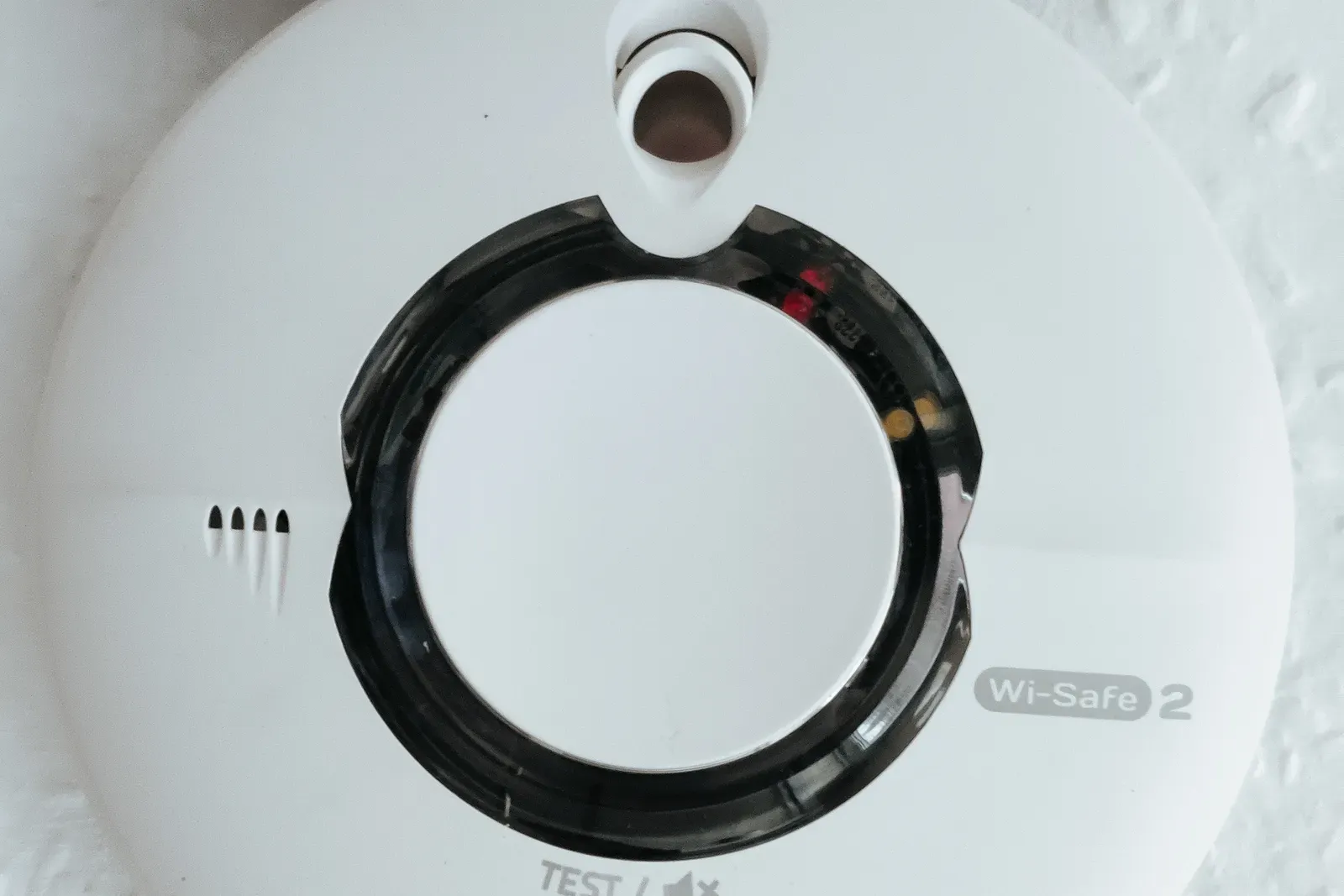
Photo: Andy Mabbett, CC BY-SA 4.0, via Wikimedia Commons.
Battery alarms permitted
Sealed 10-year battery units can suit locations where battery alarms are permitted.
Rentals and replacement installations must meet local requirements.
Alarm wiring in place
Hardwired interconnect units are the right answer when your house already has alarm wiring in the ceiling.
Away-from-home alerts
Smart units earn their cost in one narrow situation: when an away-from-home alert materially changes the response plan.
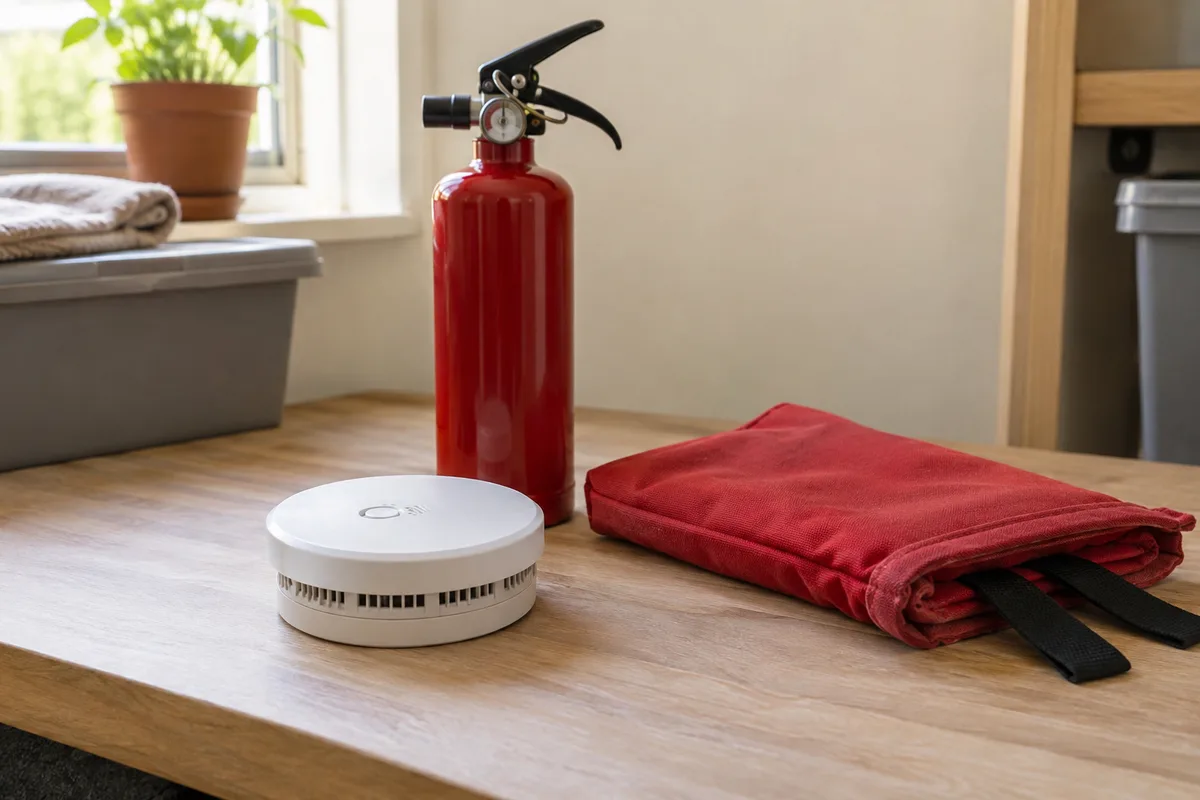
Sealed battery first, then hardwired, then smart.
Top picks at a glance
Best for: adding combo coverage to a room this weekend without spending much
This is the standard-issue combo alarm, and there is nothing wrong with standard issue. The photoelectric smoke sensor is the right type for the slow, smoldering fires that start in bedrooms and living rooms, and the electrochemical CO cell is the same technology the expensive units use. It mounts on two screws, takes AA batteries you already own, and the test button is big enough to hit with a broom handle.
The tradeoff is the battery. You will be on a ladder changing it every year, and the 3 a.m. low-battery chirp is a real phenomenon with a documented history of ending up in a junk drawer. Buy it for a single room. Think harder before buying six.
Skip it if: you are buying for the whole house at once. Sealed 10-year units cost a little more per room and erase a decade of battery chirps.
Best for: locations that permit standalone battery alarms; test on the manufacturer's schedule
The sealed battery is the whole argument. It lasts the full ten-year service life of the alarm, so the battery dies when the unit is due for replacement anyway. It avoids routine battery replacement, but it can still signal a fault or end of life. The voice alert matters more than it sounds: the unit identifies the hazard. If it announces smoke or CO, get everyone outside and call emergency services from a safe location. Do not stay inside to ventilate or investigate.
Check local replacement requirements before choosing a battery-only model. A standalone alarm cannot replace required hardwiring or interconnection. The deactivation switch kills it permanently at end of life so it cannot be returned to service with a dead sensor.
Skip it if: your local code requires hardwired alarms in your situation, which is common in new construction and major remodels.
Best for: the same sealed-battery job with a digital readout on the face
X-Sense is the newer name on this list and the SC07 competes hard on hardware. The LCD screen shows the actual CO concentration in parts per million instead of a bare siren, which is useful for catching low-level CO from a struggling furnace before it ever reaches alarm threshold. The sealed 10-year battery and dual UL listings match the Kidde spec for spec.
It ranks below the Kidde only on track record, not on performance. If the readout appeals to you, mount one near the mechanical room and let it keep an eye on the furnace.
Skip it if: you want a brand your local fire department has stocked for decades. First Alert and Kidde have longer track records.
Best for: houses that already have alarm wiring in the ceiling boxes
If your ceiling boxes already have the orange three-wire connector, this is the drop-in replacement. Hardwired alarms interconnect over that third wire, so a basement alarm wakes the upstairs bedrooms. That whole-house trigger is the single biggest upgrade in fire safety, and the NFPA placement guidance assumes it in newer homes.
One honest note: the SC9120B uses an ionization smoke sensor, which responds fastest to flaming fires and slower to smoldering ones. It is fine as part of a mixed house. Pair it with photoelectric units like the Kidde or the SCO5CN so both fire types are covered, and keep ionization units a good ten feet from the kitchen or the toaster will own your mornings.
Skip it if: your house has no existing alarm wiring. Running new cable through finished ceilings costs more than a full set of wireless interconnect units.
Best for: whole-house interconnect without opening a single ceiling
This is the modern answer to the old wiring problem. Each unit talks to the others by radio, so when the basement alarm trips, the bedroom units sound too. You get the whole-house behavior of a hardwired system with nothing but a drill and twelve screws. Follow the included pairing instructions for each unit, then use the test button on every alarm to confirm that the full group sounds.
Six units is not overkill. Count your code points: each bedroom, each hallway outside sleeping areas, each level. Most two-story houses consume the whole pack with none left over. This is the most practical starting pack for a new homeowner.
Skip it if: you live in a small single-level home where one or two standalone units already cover every code point.
Best for: travelers, landlords, and anyone responsible for a house they do not sleep in
Smart alarms get oversold, so here is the narrow truth: the phone alert only matters when nobody is home to hear the siren. That makes this the right unit for a rental property, a second home, or the house of an aging parent. The alarm pushes a notification the moment it trips, names which room, and the app shows battery health without a ladder.
It connects straight to Wi-Fi with no hub, which is the feature that separates current smart alarms from the flaky first generation. In a house you sleep in every night, spend the difference on more of the interconnected 6-pack instead.
This link opens Amazon search results. Match the exact model and size before buying.
Skip it if: you are home most nights. A siren you can hear beats an app notification you might miss, and the cheaper picks sound the same siren.
Sensor type, power type, and the labels that matter.
Sensor type
The practical play: a photoelectric-leaning house with mixed coverage, which the picks above give you, or dual-sensor units where you find them at a fair price.
What actually kills people is a disconnected alarm, and ionization units near kitchens are the ones that get unplugged.
Ownership
Plain battery units are the cheapest door into combo coverage and the most likely to be chirping and ignored in year three.
The back label
UL 217Smoke
UL 2034Carbon monoxide
If a listing is missing, it is not a combination alarm no matter what the box art says.
Where they go, and where the internet gets it wrong.
Smoke alarms
Keep units ten feet from cooking appliances and out of dead-air corners.
A persistent myth
Do this: follow the manufacturer's mounting instructions and put one on every level and near sleeping areas. Height is the one variable you can stop worrying about.
Two placements people skip:
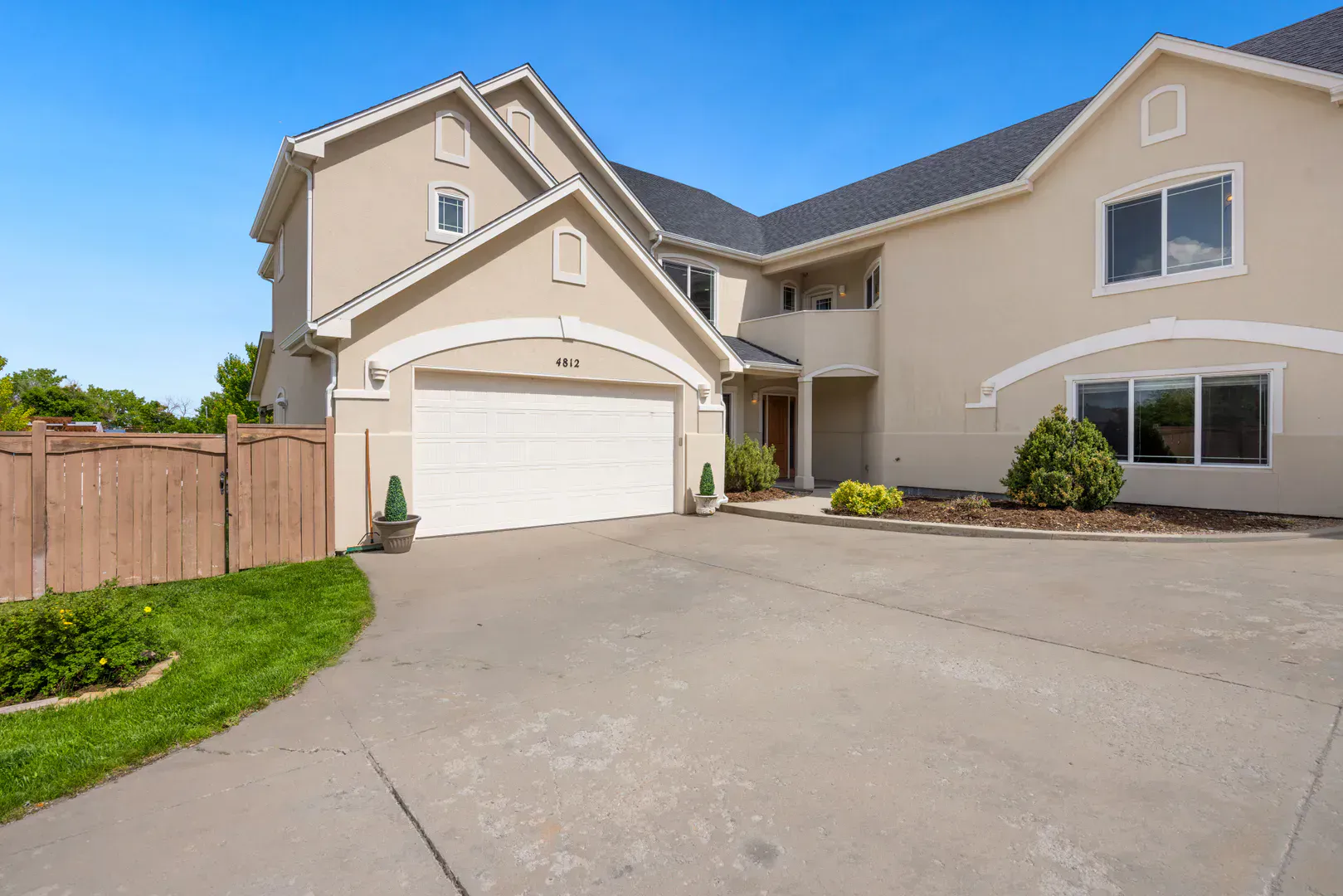
Often skipped
Cars and stored equipment make CO.
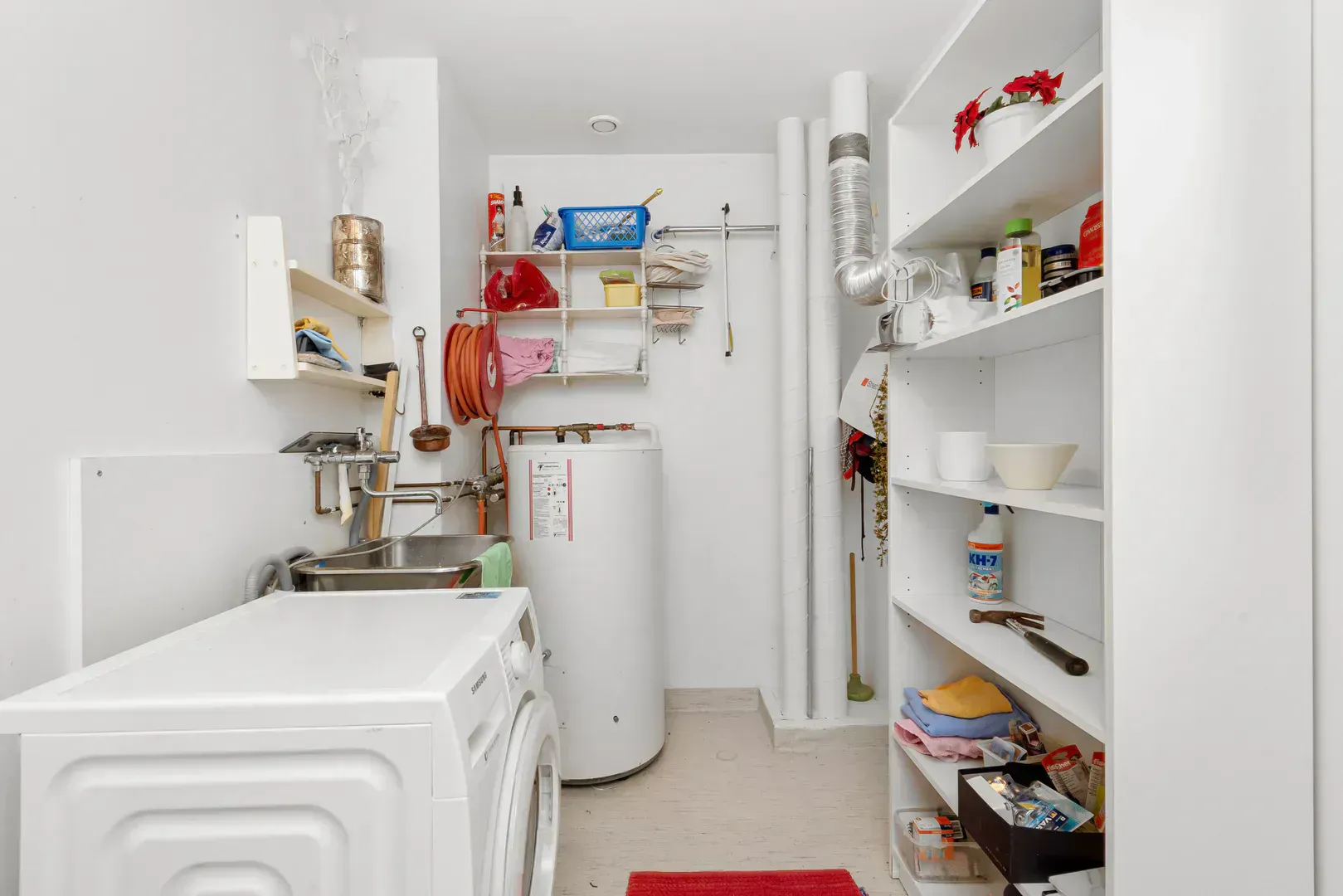
Often skipped
Add one there if your furnace or water heater burns gas.
We do not run burn tests on alarms, and we do not pretend to. Picks here weigh UL listings, sensor types, manufacturer installation requirements, and long-term ownership costs. The full methodology is on our how we pick gear page.
Straight answers to the common ones.
One smoke alarm inside every bedroom, one outside each sleeping area, and one on every level including the basement. CO protection means an alarm on every level and outside sleeping areas. In a typical three-bedroom two-story house that works out to five to seven units, which is why multipacks exist.
Smoke alarms are required in dwellings nearly everywhere in the US. Most states also require CO alarms in any home with a fuel-burning appliance or an attached garage. The details are local code, so check your state fire marshal's site, and expect stricter rules for rentals.
No. Smoke alarms sense fire particles and are listed to UL 217. CO alarms sense carbon monoxide gas and are listed to UL 2034. A combination unit carries both listings in one housing. Check the back label: if it only says UL 217, it does not detect CO.
Plan on ten years for the smoke side, which is why sealed 10-year units line up neatly with the replacement schedule. CO sensors in older designs lasted five to seven years, though current combos commonly reach ten. The replace-by date is printed on the back of the unit. When it passes, a fresh battery fixes nothing. Replace the whole alarm.
Use the test button and cleaning schedule in your alarm's manual. Some manufacturers require weekly testing. A successful button test checks the alarm circuitry and horn; it does not replace correct placement or the model's replacement interval. A chirp can indicate a battery, fault, or end-of-life condition. Check the signal pattern in that model's manual; a fresh battery does not rule out every other cause.
Compare the gear or work through the next step.
 Roundup The Best Fire Blankets for the Kitchen
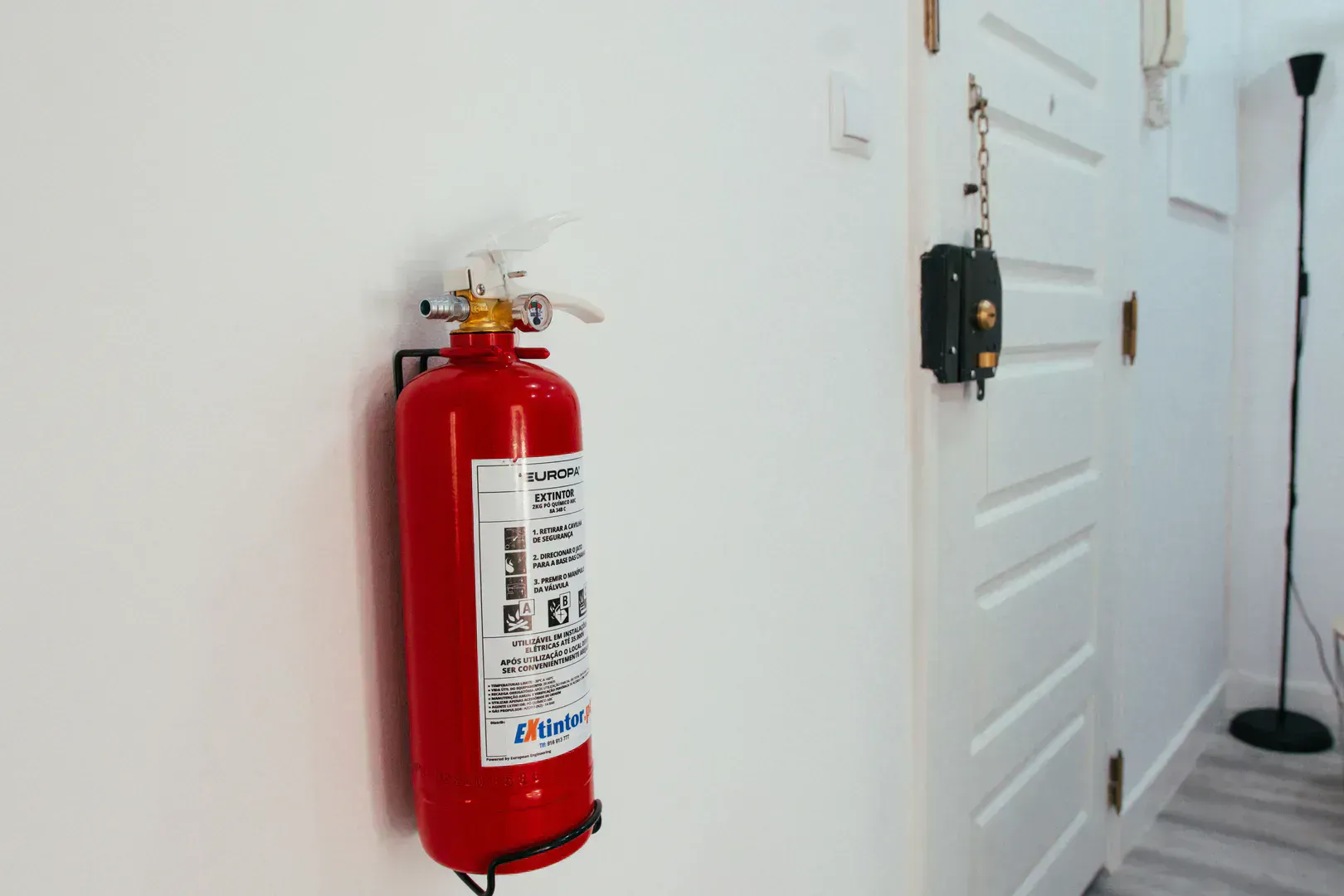 Roundup The Best Fire Extinguishers for Kitchen and Garage
Put it on the seasonal maintenance checklist or browse all guides.