Explainer

How Often to Lubricate a Garage Door

  • SystemGarage door
  • Job typeExplainer
  • BySam Whitlock
  • UpdatedJune 2026

Heads up: this page has affiliate links. As an Amazon Associate, Vent & Valve earns from qualifying purchases at no extra cost to you. Full disclosure.
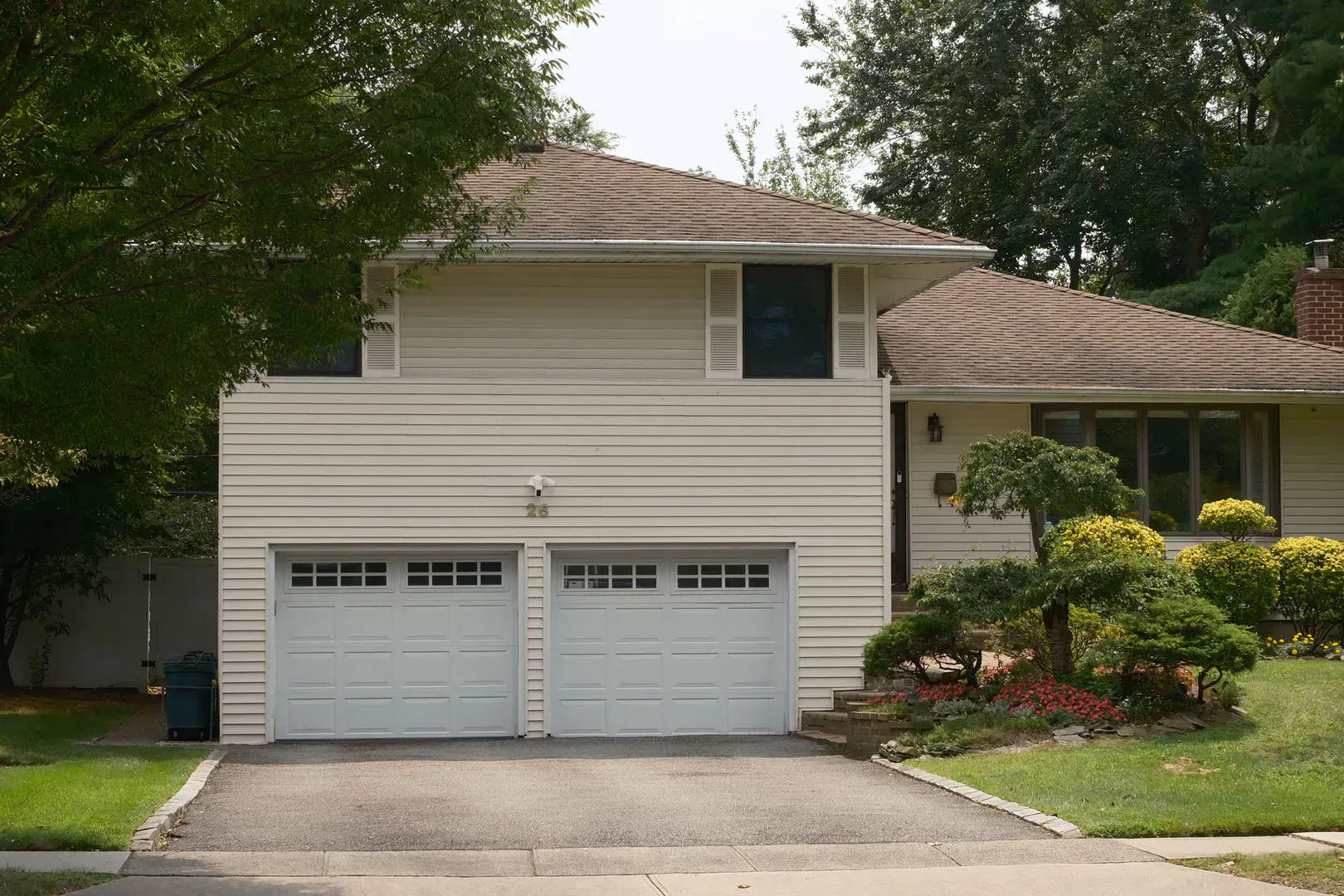
House with a double garage door that cycles thousands of times a year and asks for ten minutes twice

The short answer

Every six months for a typical door. Go quarterly if the door cycles six or more times a day, lives near salt air or salted roads, or sits in a dusty rural garage. And lubricate any time the door starts talking between rounds. A squeak is the door asking early, and ten minutes now beats a worn part later.
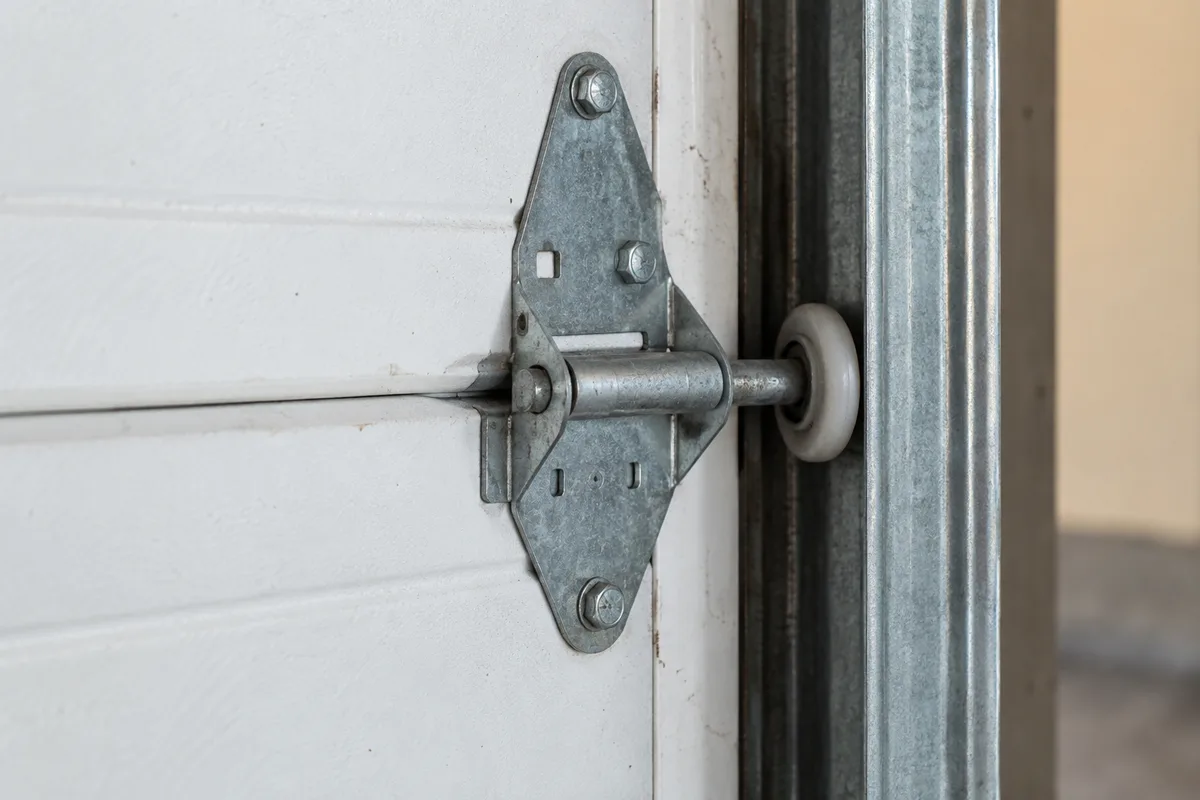
A garage door in a two-car household runs around 1,500 cycles a year, and every cycle drags a dozen rollers through the tracks and pivots every hinge on the door. Lubricant film does not last forever under that traffic. It dries, oxidizes, and picks up dust until steel starts touching steel again, and that is the squeal you hear in month eight. The schedule below keeps the film ahead of the wear.

01

The schedule, by household

Cycles and climate set the clock, not the calendar aisle.
  • Typical door, 2 to 4 cycles a dayEvery 6 months
  • Busy door, 6+ cycles a dayEvery 3 months
  • Coastal salt air or salted roadsEvery 3 months
  • Dusty gravel-road garageEvery 3 to 4 months
  • Rarely used doorOnce a year, plus an inspection
  • Any new noiseNow, regardless of schedule

The timing trick is to ride the seasons: one round in fall before the first freeze, one in spring after the thaw. Cold is when lubricant stiffens and dry parts complain loudest, so the door goes into winter freshly treated. Pin both rounds to the seasonal home maintenance checklist and the schedule runs itself.

Two edge cases. A brand-new door still wants its first service at the six-month mark, because factory lubrication is thinner than it looks and the hardware seats in during the first thousand cycles. And the rarely-used door earns its annual round plus a real look: doors that sit develop flat spots on nylon rollers and surface rust on the springs, so cycle it a few times while you are there. In freezing climates, add one extra wipe of silicone along the bottom weather seal before winter. It keeps the rubber from freezing to the slab, which is how bottom panels get bent by impatient opener buttons in January.

02

The 10-minute routine

Same order every time. Door down, opener unplugged.

  • Unplug the opener.

    Nobody cycles the door while your fingers are near hinges. Pull the plug, not just the wall button.

  • Wipe the tracks with a dry rag.

    No spray in the tracks, ever. Lubricant in there makes rollers skid and collects grit into grinding paste.

  • Spray every hinge pivot.

    Short burst at each pin, top side, so it wicks down through the joint.

  • Spray the roller stems.

    Aim where the stem enters the wheel. Silicone for nylon rollers, either can for steel. Wipe the wheel faces after.

  • Mist the spring coils and bearing plates.

    Light, even pass from arm's length, plus the round plates at each end of the spring bar. Spray only. Never put a tool on a spring.

  • Check the opener rail, snug loose bolts, plug in.

    Lithium on a screw-drive rail, nothing on a belt. Run the door three full cycles to spread the film and listen.

03

Noises, decoded

The door tells you what it needs. One sound means stop.

Squeak or squeal on the move: dry rollers or hinges. This is the routine above, and it should vanish by the third cycle after spraying.

Grinding or rumbling: a worn roller bearing or a roller riding a bent section of track. Lubricant quiets it briefly, then it returns. Replace the roller or have the track straightened.

Rattling and banging panels: loose hardware. Hinge and bracket bolts back out with vibration. Snug them with a nut driver during the routine, skipping anything attached to the spring system or the cables.

One loud bang from the garage, then a heavy door: that was a torsion spring breaking. Do not open the door, do not run the opener, and do not touch the spring or cables. Springs hold enough stored energy to cause serious injury, and a snapped one means the opener is now lifting weight it was never built for. This one is a call to a door company, full stop.

04

Signs you waited too long

The door keeps score.

A door past due does not just squeak. It opens slower and shudders partway up as rollers bind. The opener strains, and openers compensate right up until they quit. Hinges develop visible rust lines at the pivots, and nylon rollers crack at the stem. If the door has reached the shudder stage, run the full routine, cycle it a half dozen times, and then reassess: whatever noise survives fresh lubricant is a part on its way out. Catch it at the squeak stage instead and the right two cans are the only repair bill the door sends you for years.

05

Lubrication schedule questions

Mined straight off the search results page.

Do you need to lubricate garage door rollers?

Yes, they are the loudest dry part on most doors. Spray at the stem where it enters the wheel, because that is where the bearing lives. Nylon rollers get silicone only; steel rollers take silicone or white lithium. If a roller still chirps after lubing, the bearing is worn and the roller wants replacing, which is a cheap part and a pro-or-confident-DIY job.

Should you lubricate the garage door opener chain?

Mostly no. Opener chains ship with a factory grease that lasts years, so the maintenance is a wipe and a light touch at the trolley contact points, not a soaking. A screw-drive rail is the opposite case and does want white lithium along the screw. Belt drives get nothing on the belt, ever.

Can you lubricate a garage door with WD-40?

Not with the classic blue can, which is a cleaner and water displacer that leaves parts nearly dry. It is fine for flushing grime out of a hinge before you apply real lubricant. The proper products are silicone or white lithium sprays, including the ones in WD-40's own Specialist line. Our garage door lubricant roundup sorts the cans.

When is the best time of year to lubricate a garage door?

Just before the temperature swings: once in fall before the first freeze and once in spring after the thaw. Cold is when dry parts complain loudest and when lithium grease stiffens, so going into winter freshly treated keeps the door quiet through the season a door tech charges the most to visit.

Picking the cans is the other half of the job, and the best garage door lubricants sorts silicone against white lithium by part. For the bigger picture, including what never to touch under spring tension, start at the garage door hub.