Heads up: this page has affiliate links. As an Amazon Associate, Vent & Valve earns from qualifying
purchases at no extra cost to you. Full disclosure.
The short answer
A water heater flush kit is four things: a hot-rated drain hose, a bucket, a pair of
channel locks, and 45 minutes. There is no boxed product to buy. Assemble those, follow
the steps below once a year, and your tank heater runs quieter, cheaper, and years
longer.
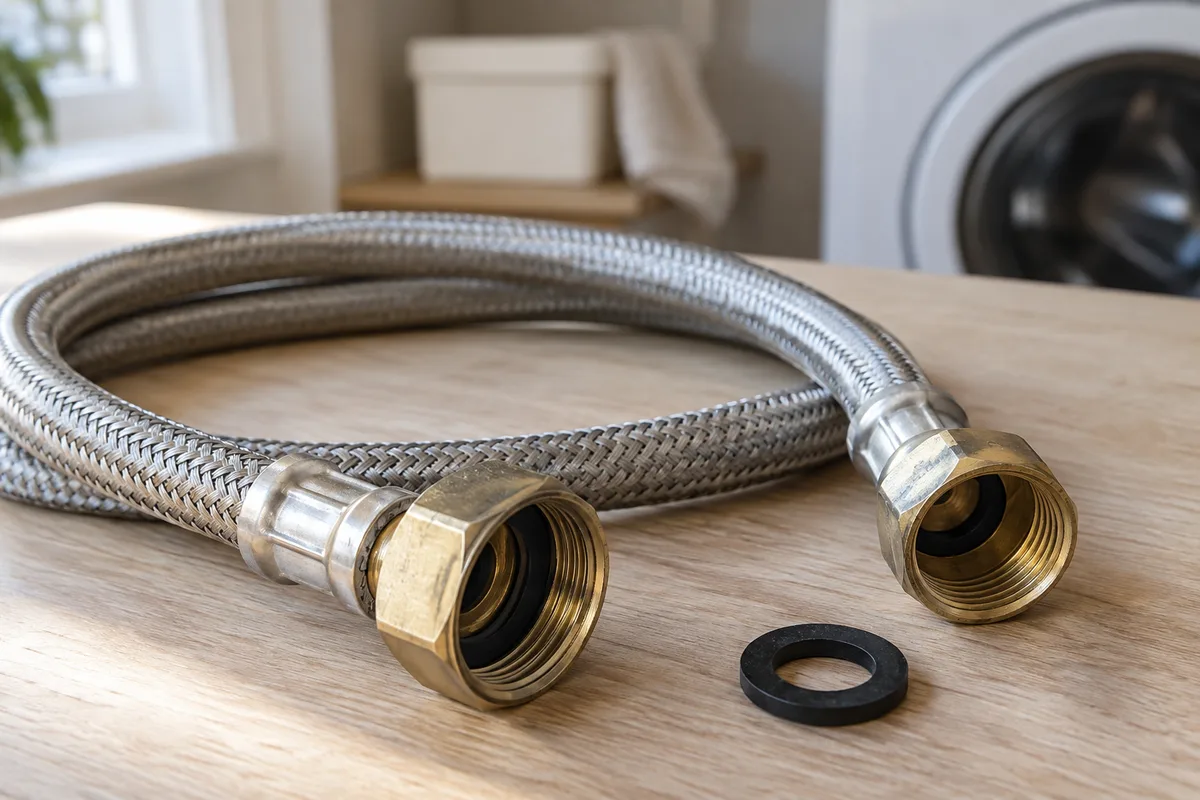
A hose is only part of the setupThe appliance type and its service instructions determine the procedure and equipment. Choose the drain hose for that job; a general supply hose is not a substitute.
01
Why you are doing this
The sediment story in one paragraph.
How sediment builds up
Minerals ride inEvery gallon of water carries dissolved minerals.
Heat drops them outHeating pushes them out of solution.
A layer on the floorThey settle on the tank floor as sediment, and the layer grows load after load.
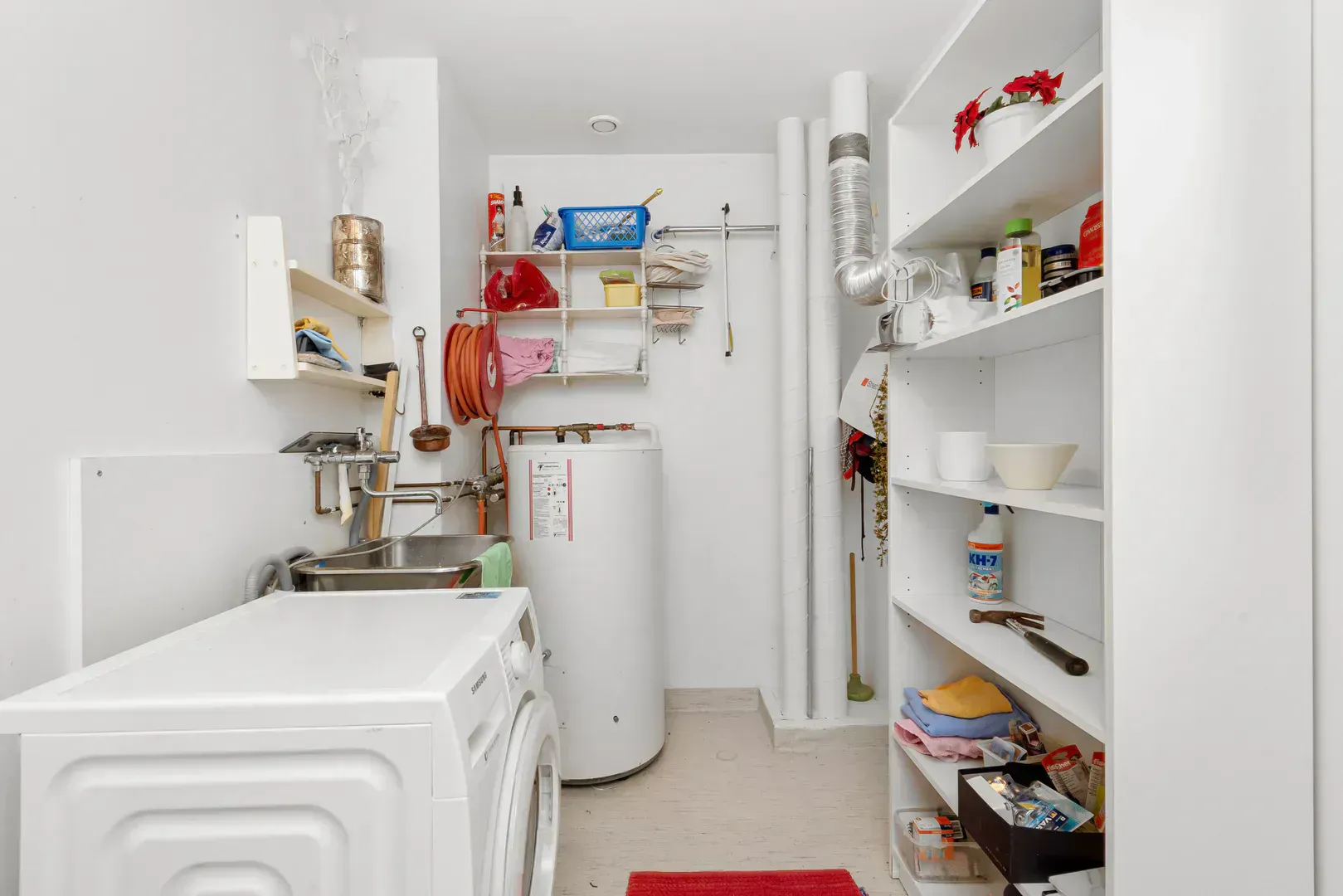
On a tank heater, the sediment collects on the tank floor.
What the layer does to the heater:
On a gas heater the burner now heats rock before it heats water. That is the popping and rumbling sound: steam bubbles fighting up through the sediment blanket.
On electric units the lower element can bury and burn out.
Either way the tank runs hotter at the steel, wastes energy, and rusts out years early.
Draining the tank flushes the loose layer out the bottom before it hardens. That is the whole job.
02
The kit list, item by item
Four things, three of which you may own.
Item 1
A hot-rated hose
The drain valve outlet is a standard 3/4-inch garden hose thread.
A standard garden hose is the classic mistake: vinyl liners soften and kink with 140-degree water.
Get: one rated for hot water in the right length for your route. The flush hose roundup sorts the picks by run length.
Item 2
A bucket
Any 5-gallon pail. You will use it to:
Check what is coming out of the tank.
Catch the dregs when you disconnect.
Item 3
Channel locks
A 10-inch pair:
Opens and closes a stiff valve.
Steadies fittings.
Persuades a crusty hose connection loose.
Item 4
A scrap towel and a paint pen
The towel is for the inevitable dribble.
The pen is for writing the flush date on the tank so future-you has a record.
03
The flush, step by step
Gas and electric differ at exactly two steps.
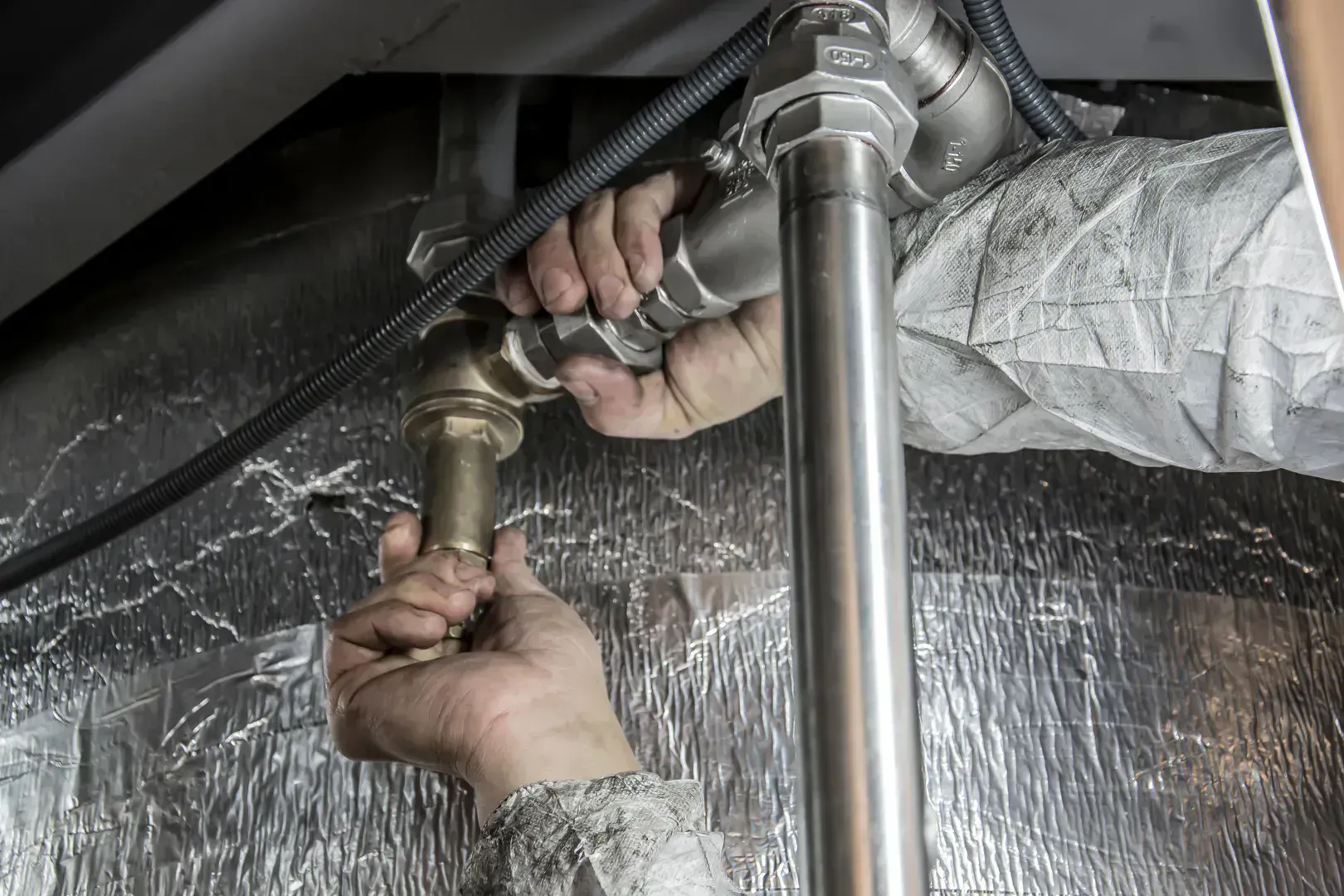
Connect the hose. Thread the hot-rated hose onto the drain valve at the tank base, hand-tight plus a snug quarter turn with the channel locks. Run it downhill to the floor drain, bucket, or out the door. No uphill sections; gravity is the only pump on this job.
Break the vacuum. Open a hot-water faucet as directed in the heater manual so air can enter as the tank drains. Do not use the temperature and pressure relief valve as a substitute unless the manufacturer explicitly instructs it.
Drain and watch. Open the drain valve. Catch a bucket sample early: cloudy water with grit at the bottom is exactly what you came for. A 40 to 50 gallon tank takes 20 to 40 minutes. If flow chokes off, sediment is clogging the valve; see the rescue moves below.
Rinse the floor. With the tank empty and the drain still open, open the cold inlet for 30 seconds and let it blast across the tank floor, then let it drain. Repeat until the bucket sample runs clear. Two or three cycles usually does it.
Refill before heat. Close the drain valve, pull the hose, and open the cold inlet. Leave that upstairs hot faucet open until water flows full and steady with no spitting, which means the air is out. Only then relight to your normal setting, or flip the breaker back on. Heating an air pocket or a dry element is how flush day becomes repair day.
04
The crusty drain valve problem
The step where most first flushes go sideways.
Blocked or leaking drain valve
Do not force a stuck valve
A blocked or leaking drain valve needs attention before you continue.
Stop rather than forcing the valve, pressurizing the blockage, or inserting wire into the opening.
Keep the heater off and follow the manual's troubleshooting instructions.
Tankless heaters have no tank floor for sediment to rest on, so nothing here drains.
Instead, scale builds inside the narrow heat exchanger passages, and the maintenance is a
descale.
A tankless descale
Close the valvesIsolation valves closed.
Circulate descalerA small pump circulates descaling solution from a bucket through the unit for about an hour.
RinseThen a rinse.
The pump, hoses, and solution come as an actual boxed kit, linked in the gear box above, and the routine is annual in hard-water country.
On a tank heater, yes. Heating water drops dissolved minerals onto the tank floor, and the layer grows with every gallon. Sediment insulates the burner from the water, wastes fuel, causes the popping sounds, and corrodes the tank from the bottom. An annual flush, or the interval in your heater's manual, is one of the cheapest things you can do to help the heater last.
What does a water heater flush actually do?
It drains the tank through the bottom valve so the outgoing water carries the loose sediment with it. Short refill bursts stir the floor and rinse out more. It does not descale the walls or fix an old anode rod; it removes the loose mineral layer before it hardens into one.
How long does it take to flush a water heater?
Plan on 45 minutes to an hour: a few minutes of setup, 20 to 40 minutes of draining, a couple of rinse cycles, and refill. Most of it is waiting. A tankless descale runs longer, usually about an hour of circulating descaler plus rinse time.
How often does a water heater need to be flushed?
Use the maintenance interval in the heater manual. Water quality and sediment can change the service needs; ask a qualified technician when the service history is unknown or symptoms persist. Do not lengthen the interval solely because the home has a softener.
Why is my drain valve leaking after the flush?
A grain of sediment is usually stuck in the valve seat. Turn the heater off and follow the troubleshooting steps in your heater manual. Do not force the valve or push anything into it. If it stays blocked or keeps leaking, call a plumber. A hose cap is not a repair for a damaged valve.