Heads up: this page has affiliate links. As an Amazon Associate, Vent & Valve earns from qualifying
purchases at no extra cost to you. Full disclosure.
Verify the drain connection and hose ratingCheck the water heater manual, drain fitting and permitted hose temperature. A supply hose is not automatically suitable for flushing a water heater.
01
The picks
Shortest workable run first. Measure the route and check the hose rating.
Best for: heaters with a floor drain or bucket spot right beside the tank
Budget
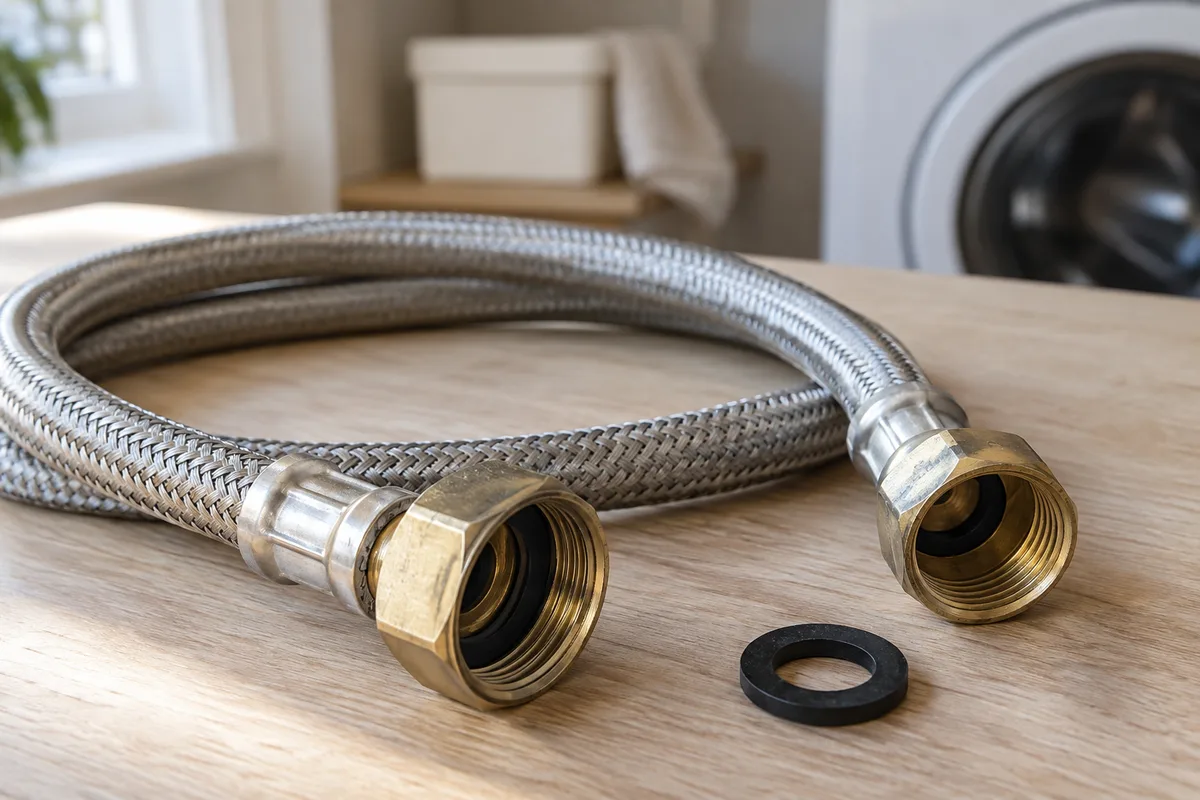
If a floor drain sits within arm's reach of the heater, this is all the hose the job
needs. The braid supports the hose, but the liner and fittings determine its temperature limit. Confirm that rating on the exact listing and drain only after the water has cooled. Short also means fast: less hose friction, quicker drain,
and nothing to coil up wet afterward.
It works equally well for the bucket method, where you drain a few gallons at a time to
check sediment. Hang it on a nail next to the heater and the annual flush loses its
biggest excuse.
Skip it if: your drain point is across the room. This is strictly a beside-the-tank tool.
02
25 ft Hot-Rated Hose, 3/4 in
Best for: crossing a basement or garage to reach the floor drain or a door
Mid-range
This is the workhorse spec for most basements: a genuinely heat-rated hose in the full
3/4-inch diameter. The temperature rating is the headline, but the diameter matters almost
as much. Plenty of hot-rated utility hoses are 5/8-inch, and that step down chokes drain
flow noticeably when you are trying to move 50 gallons plus sediment. Stay at 3/4-inch
and the tank drains as fast as the valve allows.
Metal fittings take channel locks without cracking when the valve threads are crusty.
Twenty-five feet covers heater-to-floor-drain in nearly every basement layout, with enough
spare to route around the furnace instead of over it.
Skip it if: the run is under three feet. The short stainless hose above drains faster and stores easier.
03
50 ft Hot-Rated Hose, 3/4 in
Best for: draining to a driveway or yard when the heater lives far from any drain
Mid-range
Some heaters live in closets and crawlspaces with no drain anywhere useful, and the only
sane exit is a door. Fifty feet of the same hot-rated, full-diameter hose reaches the
driveway from almost any utility room. Mind the elevation: water only moves if the hose
runs downhill from the valve, so going out a walkout door works, while climbing basement
stairs mostly does not without a transfer pump.
Buy the length your route demands and not a foot more. Every extra coil slows the drain
and holds another quart of rusty water to dribble across the floor on the way out.
Length50 ft
Temperature ratingConfirm on the exact listing
Diameter3/4 in
FittingsSolid metal, 3/4 in GHT
RouteReaches exterior doors from most utility rooms
Skip it if: a 25-foot run reaches your drain. Doubled length means slower flow and a heavier wet coil to wrangle.
04
Full-Port Brass Ball Valve Drain
Best for: fixing the clog-prone factory drain valve while the tank is already empty
Premium
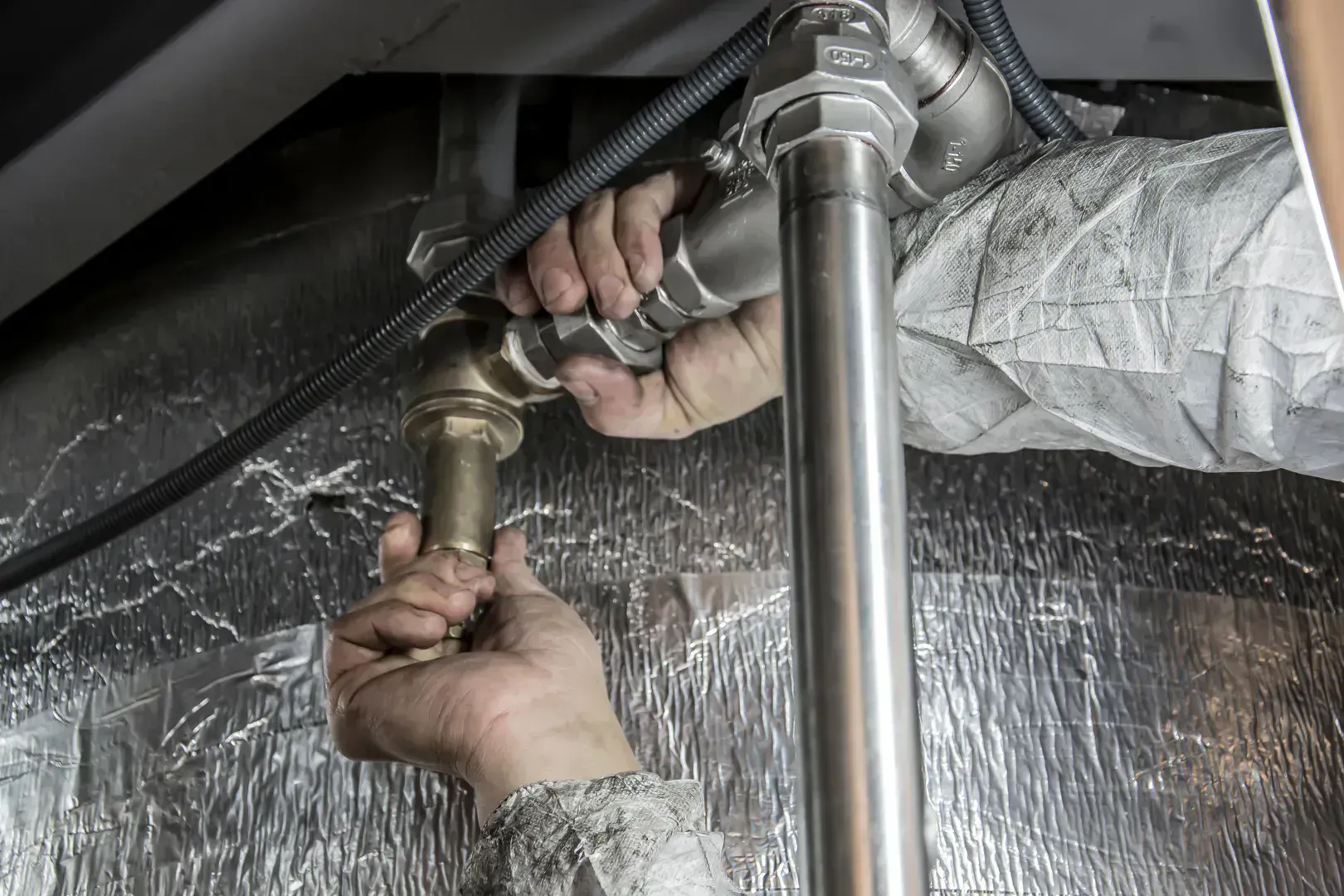
The plastic factory drain valve is the worst part on most water heaters: a narrow, baffled
path that sediment clogs instantly and a seat that weeps after every use. This swap
replaces it with a quarter-turn brass ball valve whose opening is the full width of the
pipe. Sediment chunks that would jam the stock valve sail straight through, and the lever
gives you instant open and shut for the flush-and-refill rhythm.
A replacement valve must match the heater manufacturer's thread, length, and installation requirements. Have a plumber handle a valve that is seized, leaking, or incompatible; a drained tank alone does not make every replacement suitable.
The walkthrough lives in our flush kit guide.
Skip it if: your factory valve still drains freely and seals shut. This is the fix for when it does not.
02
How to choose
Heat rating, length math, and the dribble fix.
Walk the whole route from the drain valve to the drain point before you buy.
Do the length math before buying. Walk the route from the drain valve to your drain point and confirm the hose runs downhill the entire way, because a gravity drain stops at the first uphill section.
31 inBeside-the-tank drain: the stainless hose
25 ftAcross the basement
50 ftOut a door to the driveway
Round up one size if the route snakes around equipment.
Factory drain valve
Solve the dribble at the source
If your factory valve clogs with sediment or weeps after closing, no hose fixes that.
Next: have a plumber check whether a manufacturer-compatible replacement is needed.
The hose is half the kit
The other half of the kit
The other half, plus the step-by-step with the gas and electric differences, is in the water heater flush kit guide.
Since the heater sits on the short list of things that flood houses, a leak detector at its base is the natural companion purchase.
Picks here are judged on temperature ratings, fitting quality, and flow diameter; the
standard is on how we pick gear.
03
Flush hose questions
Length, drains, and timing.
Can you use a regular garden hose to drain a water heater?
Follow the water heater manual and allow the water to cool before draining. Choose a hose with an explicit temperature rating and fittings suited to the drain valve. A stainless outer braid alone does not establish the temperature rating of the liner or fittings.
How long should a water heater drain hose be?
Long enough to reach a drain point that sits lower than the valve the whole way. If the floor drain is beside the heater, a 31-inch stainless hose into a bucket or drain works. Crossing a basement takes 25 feet. Reaching a driveway from inside usually takes 50. Measure before you buy and round up one size.
Where is the drain valve on a water heater?
Near the bottom of the tank, a plastic or brass spigot with a 3/4-inch garden hose thread outlet. It sits low because the sediment you are flushing sits on the tank floor. If yours is hidden behind an insulating blanket, the valve is under a flap near the base.
How long does it take to drain a water heater through a hose?
A 40 or 50 gallon tank usually drains in 20 to 40 minutes through a 3/4-inch hose, longer if sediment keeps clogging the valve. Short, wide, downhill runs drain fastest. A long uphill hose can slow flow to a trickle, which is a layout problem rather than a hose problem.